









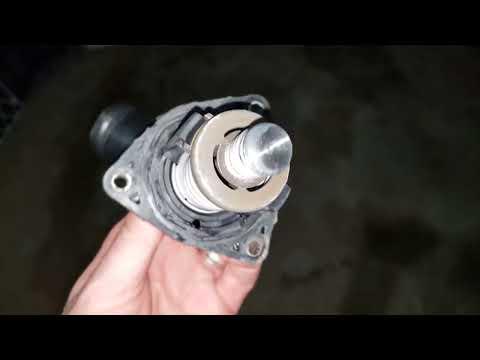






How to Replace the Thermostat on a 2014-2018 Chevrolet Silverado 1500 (Engine: V8 6.2L)
Step-by-step instructions with tools, parts, torque specs, and cooling system bleeding tips
How to Replace the Thermostat on a 2014-2018 Chevrolet Silverado 1500 (Engine: V8 6.2L)
Step-by-step instructions with tools, parts, torque specs, and cooling system bleeding tips for 2014, 2015, 2016, 2017, 2018


🔧 Thermostat - Replacement
The thermostat on your Silverado controls coolant flow to help the engine warm up fast and stay at the right operating temperature. If it is stuck open or closed, you can get poor heater performance, overheating, or unstable temperature readings.
Difficulty Level: Intermediate | Estimated Time: 2-4 hours
⚠️ Safety & Precautions
- Let the engine cool completely before opening the cooling system. Hot coolant can cause severe burns.
- Use a drain pan and keep coolant away from pets and children.
- Disconnect the negative battery cable if you will be working near the cooling fan harness or starter wiring.
- Keep dirt out of the thermostat housing and coolant passages.
- Refill with the correct coolant type and bleed air from the system after service.
🔧 Required Tools
You'll need the following tools for this repair:
- Ratchet
- 10mm socket
- 13mm socket
- Extensions
- Torque wrench
- Flat blade screwdriver
- Drain pan
- Coolant funnel
- Shop towels
- Gloves
- Safety glasses
🔩 Required Parts
HowToo sells all the parts you need for this repair:
- Thermostat - Qty: 1
- Thermostat housing gasket or seal - Qty: 1
- Engine coolant - Qty: As needed
📋 Before You Begin
- Park on level ground and set the parking brake.
- Let the engine fully cool.
- Open the hood and remove the engine cover if equipped.
- Place a drain pan under the radiator drain area before opening the cooling system.
🔨 Step-by-Step Instructions
Follow these steps in order:
Step 1: Drain enough coolant
- Use a drain pan and open the radiator drain or lower hose enough to lower the coolant level below the thermostat housing.
- Do not fully empty the system unless you plan to replace all coolant.
Step 2: Remove intake ducting if needed
- Use a flat blade screwdriver and 10mm socket to remove any air duct or intake tube that blocks access to the thermostat housing.
- Set all clamps and fasteners aside in order.
Step 3: Disconnect the upper radiator hose
- Use pliers or a flat blade screwdriver, depending on the clamp style, to remove the upper hose from the thermostat housing.
- Twist the hose gently before pulling it off.
Step 4: Remove the thermostat housing
- Use a 10mm socket and ratchet to remove the thermostat housing bolts.
- Lift the housing straight off and note the thermostat orientation.
- Keep the sealing surfaces clean.
Step 5: Replace the thermostat
- Remove the old thermostat and gasket or seal.
- Install the new thermostat in the same orientation as the old one.
- Install the new gasket or seal.
Step 6: Reinstall the housing
- Set the housing in place by hand to avoid cross-threading.
- Use a torque wrench and 10mm socket to tighten the housing bolts evenly.
- Torque to 11 Nm (97 in-lbs)
Step 7: Reconnect the hose and intake parts
- Reinstall the upper radiator hose and clamp.
- Reinstall any intake ducting or cover removed earlier using the 10mm socket and flat blade screwdriver.
Step 8: Refill and bleed the cooling system
- Use a coolant funnel to refill with the correct coolant.
- Run the engine with the heater set to hot and the radiator cap off if the service procedure allows it.
- Top off coolant as air escapes from the system.
- Install the cap once no more bubbles appear and the level stabilizes.
Step 9: Check for leaks and correct operation
- Inspect the thermostat housing, hose connection, and drain area for leaks.
- Bring the engine to operating temperature and verify stable coolant temperature.
✅ After Repair
- Recheck coolant level after the engine cools completely.
- Watch for warning lights or rising temperature.
- Inspect again after your first drive.
💰 DIY vs Shop Cost
Shop Cost: $250-$500 (parts + labor)
DIY Cost: $35-$120 (parts only)
You Save: $215-$380 by doing it yourself!
Shop labor rates vary but typically run $100-$150/hour. This repair takes a shop approximately 1.5-2.5 hours.
🎯 Ready to get started?
HowToo makes it easy: same-day/2-day shipping on every part, plus all the tools and specialty tools you need! Check out the parts and tools sections below to add everything to your cart.