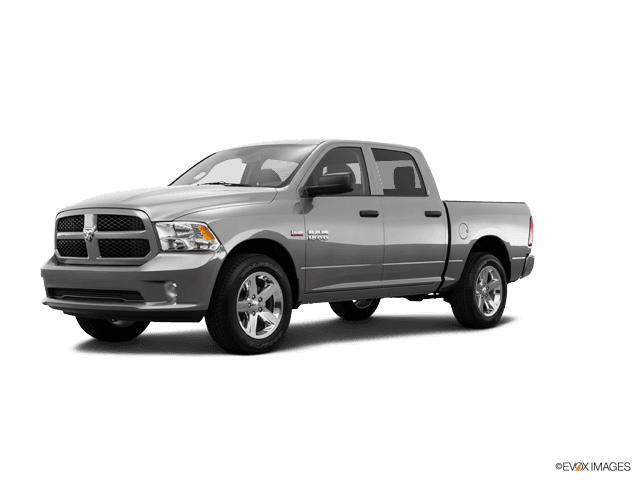









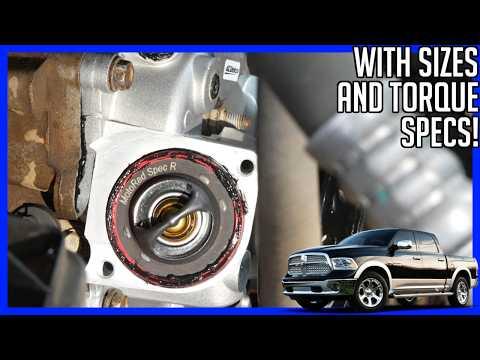






How to Replace the Thermostat on a 2011-2021 Ram 1500 (Engine: V8 5.7L)
Step-by-step instructions with tools, parts, torque specs, and cooling system bleeding tips
How to Replace the Thermostat on a 2011-2021 Ram 1500 (Engine: V8 5.7L)
Step-by-step instructions with tools, parts, torque specs, and cooling system bleeding tips for 2011, 2012, 2013, 2014, 2015, 2016, 2017, 2018, 2019, 2020, 2021


🔧 Thermostat - Replacement
Your 1500 uses a thermostat in the engine cooling system to regulate coolant flow and help the engine warm up properly. If it is stuck open or closed, you can get poor heater performance, overheating, or a slow warm-up. This job is straightforward, but you will be working with hot coolant, so take your time.
Difficulty Level: Beginner | Estimated Time: 1.5-2.5 hours
⚠️ Safety & Precautions
- Let the engine cool completely before opening the cooling system. Hot coolant can cause severe burns.
- Use gloves and safety glasses. Coolant is irritating and slippery.
- Keep coolant away from children and pets. It is toxic.
- Do not disconnect the battery for this repair.
- Make sure the vehicle is on level ground and the parking brake is set.
🔧 Required Tools
You'll need the following tools for this repair:
- Ratchet
- 10mm socket
- 8mm socket
- Extension bar
- Torque wrench
- Drain pan
- Funnel
- Flat-blade screwdriver
- Pliers
- Shop towels
- Safety glasses
- Nitrile gloves
- Jack and jack stands
🔩 Required Parts
HowToo sells all the parts you need for this repair:
- Thermostat - Qty: 1
- Thermostat housing gasket - Qty: 1
- Engine coolant - Qty: 1-2 gallons
- Distilled water - Qty: 1-2 gallons
📋 Before You Begin
- Let the engine cool fully before starting.
- Park on level ground and set the parking brake.
- Place a drain pan under the radiator area before opening any hose or drain.
- If your coolant is old or dirty, plan to refill with the correct HOAT coolant mix recommended for your 1500.
🔨 Step-by-Step Instructions
Follow these steps in order:
Step 1: Drain coolant to below the thermostat level
- Use a drain pan under the radiator drain or lower hose area.
- Open the radiator drain or remove the lower hose carefully with pliers or a flat-blade screwdriver, depending on clamp style.
- Drain enough coolant so the level drops below the thermostat housing.
- Slowly crack the system open.
Step 2: Remove intake ducting or cover if needed
- If access is tight, use the appropriate socket or screwdriver to remove the air inlet tube or engine cover blocking the thermostat housing.
- Set the parts aside in order so reassembly is easier.
Step 3: Locate the thermostat housing
- Find the housing where the upper radiator hose connects at the engine.
- Follow the hose to the housing to confirm the correct part.
Step 4: Remove the radiator hose
- Use pliers to release the hose clamp.
- Twist the hose gently to break it loose, then pull it off the housing.
- Have a towel ready for any remaining coolant.
Step 5: Remove the thermostat housing
- Use a 10mm socket with a ratchet and extension bar to remove the housing bolts.
- Lift the housing off carefully.
- Note the thermostat orientation before removal.
- Take a photo before removing it.
Step 6: Remove the old thermostat
- Pull the thermostat out of the engine or housing, depending on how it sits in place.
- Remove the old gasket and clean both sealing surfaces with a shop towel.
- Do not scratch the aluminum surface.
Step 7: Install the new thermostat
- Install the new thermostat in the same orientation as the old one.
- Install the new thermostat housing gasket.
- Make sure the gasket is seated flat and clean.
Step 8: Reinstall the housing
- Set the housing in place and start the bolts by hand.
- Use a 10mm socket and torque wrench to tighten the housing bolts evenly.
- Torque to 12 N·m (106 in-lbs).
Step 9: Reinstall the radiator hose and removed parts
- Push the hose fully onto the housing neck.
- Reinstall the clamp using pliers.
- Reinstall any intake ducting or covers removed earlier with the proper socket or screwdriver.
Step 10: Refill and bleed the cooling system
- Use a funnel to refill with the correct coolant mix.
- Fill slowly to reduce trapped air.
- Start the engine and let it idle with the heater set to hot.
- Watch the coolant level and top off as the air purges.
- Install the cap once the level stabilizes and no more air bubbles appear.
✅ After Repair
- Check for leaks at the thermostat housing and hose connection.
- Watch engine temperature on a test drive. It should warm up normally and stay steady.
- Recheck coolant level after the engine cools completely and top off if needed.
- Make sure the heater blows hot air once the engine reaches operating temperature.
💰 DIY vs Shop Cost
Shop Cost: $250-$450 (parts + labor)
DIY Cost: $35-$90 (parts only)
You Save: $215-$360 by doing it yourself!
Shop labor rates vary but typically run $100-$150/hour. This repair takes a shop approximately 1.5-2.5 hours.
🎯 Ready to get started?
HowToo makes it easy: same-day/2-day shipping on every part, plus all the tools and specialty tools you need! Check out the parts and tools sections below to add everything to your cart.
Guide for Engine Coolant Thermostat replace for these Ram vehicles
| Year Make Model | Sub Model | Engine | Body Style |
|---|---|---|---|
| 2021 Ram 1500 | - | V8 5.7L | - |
| 2021 Ram 1500 | - | V8 6.2L | - |
| 2020 Ram 1500 | - | V8 5.7L | - |
| 2019 Ram 1500 | - | V8 5.7L | - |
| 2018 Ram 1500 | - | V8 5.7L | - |
| 2017 Ram 1500 | - | V8 5.7L | - |
| 2016 Ram 1500 | - | V8 5.7L | - |
| 2015 Ram 1500 | - | V8 5.7L | - |
| 2014 Ram 1500 | - | V8 5.7L | - |
| 2013 Ram 1500 | - | V8 5.7L | - |
| 2012 Ram 1500 | - | V8 5.7L | - |
| 2011 Ram 1500 | - | V8 5.7L | - |