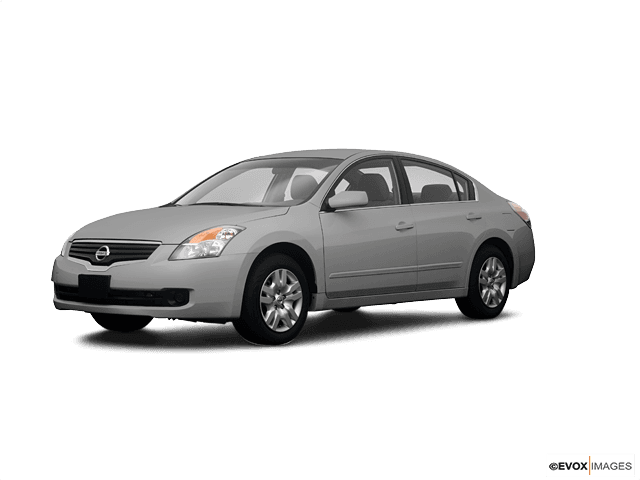
















How to Replace the Thermostat on a 2009 Nissan Altima (Coolant Drain & Refill Guide)
Step-by-step instructions with required tools, parts list, safety tips, and 9 ft-lb (12 N·m) torque specs for 2002, 2003, 2004, 2006, 2007, 2008, 2009, 2010, 2011, 2012, 2013, 2014, 2015, 2016
How to Replace the Thermostat on a 2009 Nissan Altima (Coolant Drain & Refill Guide)
Step-by-step instructions with required tools, parts list, safety tips, and 9 ft-lb (12 N·m) torque specs for 2002, 2003, 2004, 2006, 2007, 2008, 2009, 2010, 2011, 2012, 2013, 2014, 2015, 2016


🔧 Altima - Thermostat Replacement
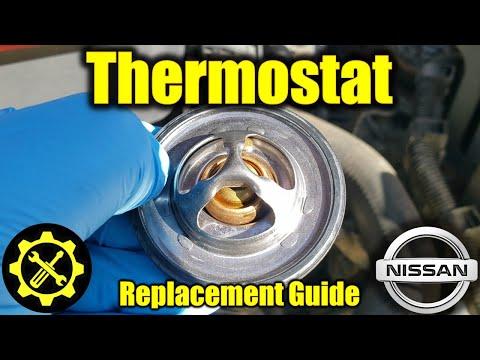
The thermostat controls coolant flow to keep your engine at the correct temperature. If it sticks closed, your Altima can overheat; if it sticks open, the engine may run cool and set a check-engine light.
Difficulty Level: Intermediate | Estimated Time: 1.5-3.0 hours
⚠️ Safety & Precautions
- ⚠️ Never open the radiator cap on a hot engine; coolant can spray and burn.
- ⚠️ Support the car with jack stands; never rely on a jack alone.
- ⚠️ Coolant is toxic to people and pets; drain into a sealed container and clean spills.
- ⚠️ Keep hands and tools clear of the radiator fan; it can turn on automatically.
- Battery disconnect is not required for this job.
🔧 Required Tools
You'll need the following tools for this repair:
- Floor jack (rated 2-ton minimum)
- Jack stands (rated 2-ton minimum)
- Wheel chocks
- Safety glasses
- Nitrile gloves
- Drain pan (at least 10-quart)
- Funnel
- 10mm socket
- 12mm socket
- 3/8" drive ratchet
- 3" extension (3/8" drive)
- Torque wrench (ft-lb range)
- Hose clamp pliers
- Flat-blade screwdriver
- Trim clip remover
- Shop towels
🔩 Required Parts
HowToo sells all the parts you need for this repair:
- Engine thermostat (with seal/O-ring) - Qty: 1
- Engine coolant (blue Asian vehicle coolant, pre-mixed 50/50) - Qty: 2-3 gallons
- Lower radiator hose clamp - Qty: 1 (optional if original is weak)
📋 Before You Begin
- Park on level ground, set the parking brake, and place wheel chocks behind the rear tires.
- Let the engine cool fully (ideally overnight) so the cooling system is not pressurized.
- Set the heater to HOT during the refill/bleed later so coolant can circulate through the heater core.
- Lift the front safely using a floor jack and support with jack stands.
🔨 Step-by-Step Instructions
Follow these steps in order:
Step 1: Remove the lower engine cover (if equipped)
- Use a trim clip remover and 10mm socket to remove the clips/bolts holding the lower splash shield.
- Set the shield and fasteners aside where they won’t get lost.
Step 2: Drain the coolant
- Place a drain pan (at least 10-quart) under the radiator drain area.
- Slowly remove the radiator cap to relieve any remaining pressure.
- Use a flat-blade screwdriver to open the radiator drain cock (petcock) and let coolant drain.
- Tip: Turn the cap back on loosely to reduce splashing.
Step 3: Access the thermostat housing
- Locate the lower radiator hose and follow it to where it connects to the engine (this is the thermostat/water inlet housing area).
- Use hose clamp pliers to compress the hose clamp and slide it back on the hose.
- Twist the hose by hand to break it loose, then pull it off the thermostat housing neck.
- Hose stuck? Gently twist first, don’t pry hard.
Step 4: Remove the thermostat housing
- Put shop towels underneath to catch remaining coolant.
- Use a 12mm socket, 3/8" drive ratchet, and 3" extension to remove the thermostat housing bolts.
- Pull the housing straight off carefully; more coolant will spill into the drain pan.
Step 5: Replace the thermostat
- Remove the old thermostat and the old seal/O-ring.
- Clean the sealing surfaces using shop towels (no gouging or scraping with hard tools).
- Install the new thermostat with the new seal/O-ring seated correctly.
- If it doesn’t sit flat, the seal is likely pinched.
Step 6: Reinstall the thermostat housing and hose
- Reinstall the housing and start the bolts by hand to avoid cross-threading.
- Use a torque wrench with a 12mm socket: Torque to 12 N·m (9 ft-lbs).
- Reinstall the lower radiator hose and position the clamp back where it was.
Step 7: Refill and bleed the cooling system
- Close the radiator drain cock using a flat-blade screwdriver (snug only).
- Use a funnel to fill the radiator slowly with 50/50 coolant.
- Fill the coolant reservoir to the MAX line.
- Start the engine and let it idle with the heater set to HOT.
- As the engine warms up, watch the coolant level and add as needed (use funnel).
- Once the radiator fan cycles on and off, shut the engine off and let it cool fully, then top off the radiator and reservoir again.
Step 8: Reinstall the lower engine cover
- Reinstall the splash shield using the trim clip remover and 10mm socket.
- Lower the car safely from the jack stands using the floor jack.
✅ After Repair
- Check for leaks around the thermostat housing and lower hose with the engine idling.
- Drive 10–15 minutes, then recheck coolant level after a full cool-down and top off the reservoir.
- Confirm the heater blows hot and the temperature gauge stays steady at normal.
- If the temperature spikes or you hear gurgling, stop and re-bleed (air is trapped).
💰 DIY vs Shop Cost
Shop Cost: $350-$650 (parts + labor)
DIY Cost: $45-$120 (parts only)
You Save: $230-$605 by doing it yourself!
Shop labor rates vary but typically run $100-$150/hour. This repair takes a shop approximately 1.5-3.0 hours.
🎯 Ready to get started?
HowToo makes it easy: same-day/2-day shipping on every part, plus all the tools and specialty tools you need! Check out the parts and tools sections below to add everything to your cart.