









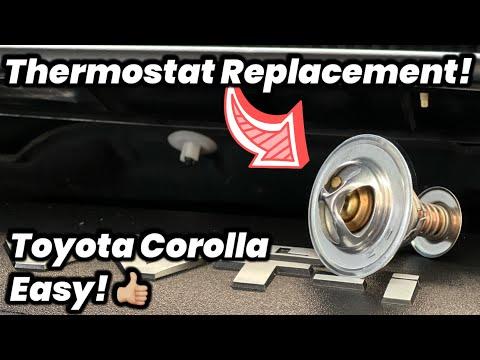





How to Replace the Thermostat on a 2009-2019 Toyota Corolla (Trim: L | Engine: Inline 4 1.8L)
Step-by-step instructions with tools, parts, torque specs, bleeding tips, and leak checks
How to Replace the Thermostat on a 2009-2019 Toyota Corolla (Trim: L | Engine: Inline 4 1.8L)
Step-by-step instructions with tools, parts, torque specs, bleeding tips, and leak checks for 2009, 2010, 2011


🔧 Thermostat - Replacement
Your Corolla’s thermostat controls coolant flow so the engine warms up fast and stays at the right temperature. A failed thermostat can cause overheating, slow warm-up, or unstable temperature readings. This job requires draining some coolant and replacing the thermostat housing seal at the same time.
Difficulty Level: Intermediate | Estimated Time: 1.5-3 hours
⚠️ Safety & Precautions
- Work only on a completely cold engine. Hot coolant can cause severe burns.
- Use jack stands if you raise the front of the car. Never rely on a jack alone.
- Keep coolant away from children and pets. It is highly toxic.
- Battery disconnect is not required for this repair.
- Use caution around the cooling fan if the engine is started during testing.
🔧 Required Tools
You'll need the following tools for this repair:
- 10mm socket
- Ratchet
- Short extension
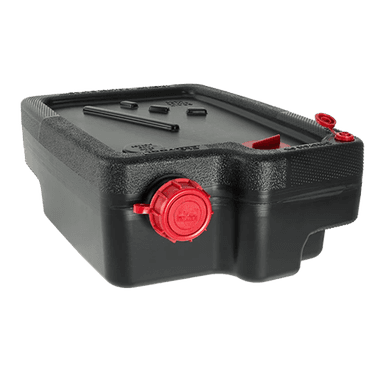
- Drain pan
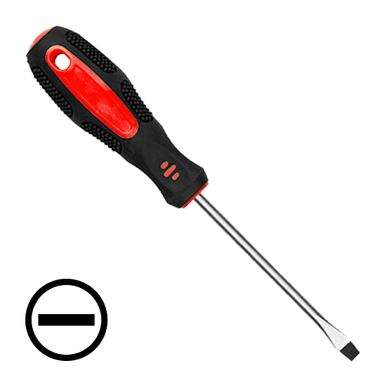
- Flat-blade screwdriver
- Pliers
- Torque wrench
- Funnel
- Gloves
- Safety glasses
- Jack stands
- Floor jack (rated 3-ton minimum)
🔩 Required Parts
HowToo sells all the parts you need for this repair:
- Thermostat - Qty: 1
- Thermostat housing gasket / O-ring - Qty: 1
- Coolant - Qty: 1-2 gallons
📋 Before You Begin
- Park on level ground and let the engine cool completely.
- Set the parking brake and chock the rear wheels.
- Raise the front of the car only if needed for coolant draining.
- Have a clean funnel ready to help prevent air pockets.
- Keep the heater set to HOT during final bleeding.
🔨 Step-by-Step Instructions
Follow these steps in order:
Step 1: Drain the coolant
- Place a drain pan under the radiator drain area.
- Use pliers or a flat-blade screwdriver to loosen the radiator drain if equipped, then drain enough coolant to get below the thermostat level.
- If your car has a drain cock, turn it slowly to avoid splashing.
Step 2: Remove intake or access parts
- Use a 10mm socket and ratchet to remove any air intake ducting or covers blocking access to the thermostat housing.
- Move the air duct aside carefully so you can reach the housing bolts.
Step 3: Remove the thermostat housing
- Use a 10mm socket, ratchet, and short extension to remove the thermostat housing bolts.
- Pull the housing straight off.
- Do not pry hard on the aluminum housing.
Step 4: Remove the old thermostat
- Lift the old thermostat out of the engine.
- Note how it sits in the housing area so the new one goes in the same way.
- Remove the old gasket or O-ring completely.
Step 5: Install the new thermostat
- Install the new thermostat in the same orientation as the old one.
- Fit the new gasket or O-ring in place.
- Make sure the sealing surfaces are clean and dry before reinstalling the housing.
Step 6: Reinstall the housing
- Position the housing over the thermostat and start both bolts by hand.
- Use a 10mm socket and torque wrench to tighten the bolts evenly.
- Torque to 10 Nm (89 in-lbs).
- Snug evenly to avoid warping.
Step 7: Reinstall intake parts and refill coolant
- Reinstall any intake ducts or covers using a 10mm socket.
- Use a funnel to refill the cooling system with the correct coolant.
- Fill slowly to reduce trapped air.
Step 8: Bleed the cooling system
- Start the engine with the radiator cap off only if the cap is at the fill neck and safe to do so.
- Set the heater to HOT and the blower to low.
- Let the engine reach operating temperature while watching the coolant level.
- Add coolant as the level drops and squeeze the upper hose gently to help purge air.
- Install the cap once no more air bubbles appear and the level stays stable.
Step 9: Check for leaks
- Inspect the thermostat housing, hoses, and drain area for leaks.
- Watch the temperature gauge for normal operation.
- Shut the engine off and recheck the coolant level after it cools.
✅ After Repair
- Test drive the car and confirm the temperature stays normal.
- Recheck coolant level the next day when the engine is cold.
- Look under the car for any dried coolant spots or fresh leaks.
- If the heater does not blow hot air, air may still be trapped in the system.
💰 DIY vs Shop Cost
Shop Cost: $220-$420 (parts + labor)
DIY Cost: $40-$90 (parts only)
You Save: $180-$330 by doing it yourself!
Shop labor rates vary but typically run $100-$150/hour. This repair takes a shop approximately 1.5-3 hours.
🎯 Ready to get started?
HowToo makes it easy: same-day/2-day shipping on every part, plus all the tools and specialty tools you need! Check out the parts and tools sections below to add everything to your cart.
Guide for Engine Coolant Thermostat replace for these Toyota vehicles
| Year Make Model | Sub Model | Engine | Body Style |
|---|---|---|---|
| 2019 Toyota Corolla | LE | Inline 4 1.8L | - |
| 2019 Toyota Corolla | XLE | Inline 4 1.8L | - |
| 2019 Toyota Corolla | L | Inline 4 1.8L | - |
| 2019 Toyota Corolla | SE | Inline 4 1.8L | - |
| 2019 Toyota Corolla | XSE | Inline 4 1.8L | - |
| 2018 Toyota Corolla | LE | Inline 4 1.8L | - |
| 2018 Toyota Corolla | XLE | Inline 4 1.8L | - |
| 2018 Toyota Corolla | L | Inline 4 1.8L | - |
| 2018 Toyota Corolla | SE | Inline 4 1.8L | - |
| 2018 Toyota Corolla | XSE | Inline 4 1.8L | - |
| 2017 Toyota Corolla | LE | Inline 4 1.8L | - |
| 2017 Toyota Corolla | XLE | Inline 4 1.8L | - |
| 2017 Toyota Corolla | L | Inline 4 1.8L | - |
| 2017 Toyota Corolla | 50th Anniversary Special Edition | Inline 4 1.8L | - |
| 2017 Toyota Corolla | SE | Inline 4 1.8L | - |
| 2017 Toyota Corolla | XSE | Inline 4 1.8L | - |
| 2016 Toyota Corolla | LE | Inline 4 1.8L | - |
| 2016 Toyota Corolla | S | Inline 4 1.8L | - |
| 2016 Toyota Corolla | L | Inline 4 1.8L | - |
| 2016 Toyota Corolla | Special Edition | Inline 4 1.8L | - |
| 2015 Toyota Corolla | LE | Inline 4 1.8L | - |
| 2015 Toyota Corolla | S | Inline 4 1.8L | - |
| 2015 Toyota Corolla | L | Inline 4 1.8L | - |
| 2014 Toyota Corolla | LE | Inline 4 1.8L | - |
| 2014 Toyota Corolla | S | Inline 4 1.8L | - |
| 2014 Toyota Corolla | L | Inline 4 1.8L | - |
| 2013 Toyota Corolla | LE | Inline 4 1.8L | - |
| 2013 Toyota Corolla | S | Inline 4 1.8L | - |
| 2013 Toyota Corolla | L | Inline 4 1.8L | - |
| 2012 Toyota Corolla | LE | Inline 4 1.8L | - |
| 2012 Toyota Corolla | S | Inline 4 1.8L | - |
| 2012 Toyota Corolla | L | Inline 4 1.8L | - |
| 2011 Toyota Corolla | Base | Inline 4 1.8L | - |
| 2011 Toyota Corolla | LE | Inline 4 1.8L | - |
| 2011 Toyota Corolla | S | Inline 4 1.8L | - |
| 2010 Toyota Corolla | Base | Inline 4 1.8L | - |
| 2010 Toyota Corolla | LE | Inline 4 1.8L | - |
| 2010 Toyota Corolla | S | Inline 4 1.8L | - |
| 2010 Toyota Corolla | XLE | Inline 4 1.8L | - |
| 2009 Toyota Corolla | Base | Inline 4 1.8L | - |
| 2009 Toyota Corolla | LE | Inline 4 1.8L | - |
| 2009 Toyota Corolla | S | Inline 4 1.8L | - |
| 2009 Toyota Corolla | XLE | Inline 4 1.8L | - |