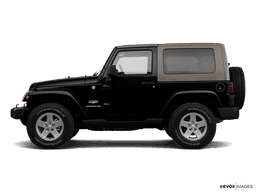














How to Replace the Thermostat on a 2007 Jeep Wrangler (Cooling System Repair Guide)
Step-by-step thermostat housing removal, coolant refill/bleeding, required tools/parts, and torque specs (106 in-lbs)
How to Replace the Thermostat on a 2007 Jeep Wrangler (Cooling System Repair Guide)
Step-by-step thermostat housing removal, coolant refill/bleeding, required tools/parts, and torque specs (106 in-lbs)


🔧 Wrangler - Thermostat Replacement
The thermostat controls engine temperature by opening and closing to let coolant flow to the radiator. If it sticks open you’ll run cool (poor heat, low gauge), and if it sticks closed you’ll overheat—either way, replacement is straightforward on your Wrangler.
Difficulty Level: Intermediate | Estimated Time: 1.5-3.0 hours
⚠️ Safety & Precautions
- ⚠️ Never open the cooling system hot; wait until the upper radiator hose is cool to touch.
- ⚠️ Coolant is toxic—use a drain pan and keep it away from kids/pets.
- ⚠️ Support the hood securely and keep hands clear of the engine fan area.
- ⚠️ Battery disconnect is not required for this job, but keep the key out of the ignition.
🔧 Required Tools
You'll need the following tools for this repair:
- Safety glasses
- Nitrile gloves
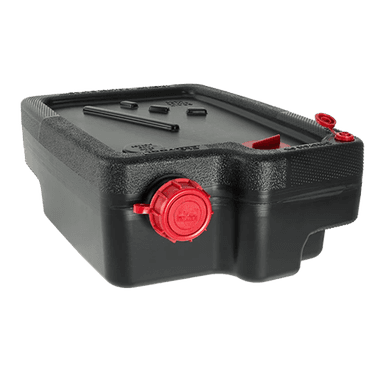
- Drain pan (at least 2-gallon)
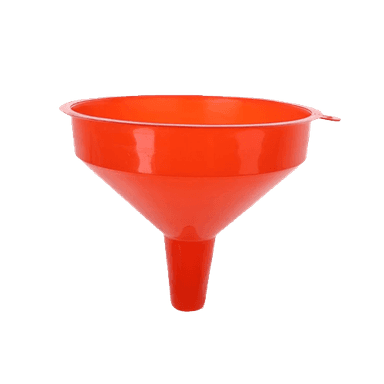
- Funnel
- 10mm socket
- 1/4" drive ratchet
- 1/4" drive extension (3"-6")
- Torque wrench (inch-pound)
- Hose clamp pliers
- Flathead screwdriver
- Plastic gasket scraper
- Shop towels
- Flashlight
🔩 Required Parts
HowToo sells all the parts you need for this repair:
- Engine thermostat (3.8L) - Qty: 1
- Thermostat housing seal/O-ring (if not included with thermostat) - Qty: 1
- Coolant (HOAT, MS-9769 compatible) - Qty: 1-2 gallons (mix 50/50 with distilled water if concentrate)
- Distilled water - Qty: 1-2 gallons (if mixing)
- Replacement worm-gear hose clamp (optional) - Qty: 1
📋 Before You Begin
- Park on level ground, set the parking brake, and let the engine fully cool.
- Set your drain pan under the radiator drain area before loosening anything.
- Plan to capture coolant cleanly—reusing it is only OK if it’s clean and fairly new.
🔨 Step-by-Step Instructions
Follow these steps in order:
Step 1: Relieve pressure (only when cool)
- Slowly loosen the coolant reservoir cap by hand to release any leftover pressure, then remove it.
Step 2: Drain enough coolant to get below thermostat level
- Place the drain pan under the radiator drain.
- Open the radiator drain using a flathead screwdriver (some drains are finger-turn; use whichever works without forcing).
- Drain about 1–2 quarts, then close the drain snugly.
- Tip: draining a little prevents a big spill.
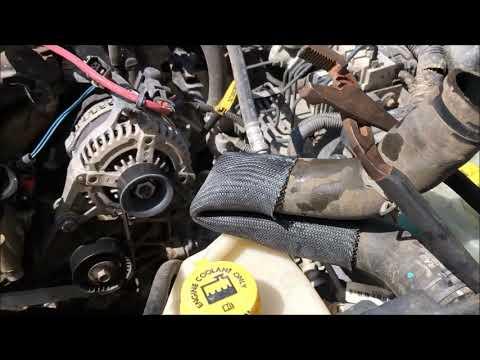
Step 3: Locate the thermostat housing
- Follow the upper radiator hose to the engine. The hose leads to the thermostat housing on the front of the engine.
- Use a flashlight so you can clearly see the housing and bolts.
Step 4: Remove the upper radiator hose from the housing
- Use hose clamp pliers to compress the spring clamp and slide it back on the hose.
- Twist the hose gently to break it loose (don’t yank), then pull it off the housing.
- Use shop towels to catch any coolant that drips out.
- Hose “stuck” is normal—twist first.
Step 5: Remove the thermostat housing
- Remove the housing bolts using a 10mm socket, 1/4" ratchet, and extension.
- Lift the housing off carefully and note how the thermostat and seal sit.
- Pull the thermostat out by hand.
Step 6: Clean the sealing surfaces
- Use a plastic gasket scraper to clean the mating surface on the housing and engine.
- Wipe clean with shop towels so the new seal can seat correctly.
- No metal scraper—avoid gouging aluminum.
Step 7: Install the new thermostat and seal
- Install the new thermostat in the same orientation as the old one.
- Install the new seal/O-ring (make sure it’s fully seated and not twisted).
- Reinstall the housing by hand-starting all bolts to prevent cross-threading.
Step 8: Torque the thermostat housing bolts
- Use the torque wrench (inch-pound) and tighten the housing bolts evenly.
- Torque to 12 Nm (106 in-lbs)
Step 9: Reinstall the upper radiator hose
- Slide the hose fully onto the housing nipple.
- Use hose clamp pliers to move the clamp back into its original position.
- If the clamp is weak or rusty, replace it with the replacement worm-gear hose clamp using a flathead screwdriver.
Step 10: Refill coolant
- Refill through the coolant reservoir using a funnel with HOAT, MS-9769 compatible coolant (50/50 with distilled water if using concentrate).
- Fill to the “FULL COLD” line.
Step 11: Bleed air and verify operation
- Start the engine and let it idle with the reservoir cap off for a few minutes.
- Turn the heater to HOT with the fan on low. Watch for heat output and a stable temp gauge.
- As the thermostat opens, the coolant level may drop—top off as needed using the funnel.
- Once the level stabilizes, install the reservoir cap by hand.
✅ After Repair
- Let the engine reach normal operating temperature and confirm the gauge stays steady (no overheating).
- Check for leaks around the thermostat housing and the upper hose connection.
- After it fully cools, recheck the reservoir level and top off to “FULL COLD” if needed.
- Dispose of old coolant properly (parts stores often accept it).
💰 DIY vs Shop Cost
Shop Cost: $250-$450 (parts + labor)
DIY Cost: $35-$95 (parts only)
You Save: $155-$415 by doing it yourself!
Shop labor rates vary but typically run $100-$150/hour. This repair takes a shop approximately 1.5-2.5 hours.
🎯 Ready to get started?
HowToo makes it easy: same-day/2-day shipping on every part, plus all the tools and specialty tools you need! Check out the parts and tools sections below to add everything to your cart.