














How to Replace the Thermostat on a 2007-2022 Chevrolet Silverado 1500 (Engine: V8 6.0L)
Step-by-step DIY thermostat replacement with tools, parts list, torque specs, bleeding tips, and safety precautions
How to Replace the Thermostat on a 2007-2022 Chevrolet Silverado 1500 (Engine: V8 6.0L)
Step-by-step DIY thermostat replacement with tools, parts list, torque specs, bleeding tips, and safety precautions for 2007, 2008, 2009, 2010, 2011, 2012, 2013


🔧 Silverado 1500 - Thermostat Replacement
You’ll be removing the thermostat housing from the front of the engine, swapping in a new thermostat and seal, then refilling and bleeding the cooling system. This restores proper engine temperature control and helps prevent overheating or running too cool.
Difficulty Level: Beginner/Intermediate | Estimated Time: 2-3 hours
⚠️ Safety & Precautions
- ⚠️ Work only on a cold engine. Hot coolant can cause serious burns.
- ⚠️ This is a hybrid: Do not touch any orange cables or connectors. Those are high-voltage components.
- ⚠️ Keep the key/fob at least 15 feet away so the hybrid system cannot “wake up” while you work.
- ⚠️ Disconnect the 12V battery negative cable before starting to avoid accidental starts and fan operation.
- ⚠️ Coolant is poisonous to people and pets. Use a drain pan and dispose of old coolant properly.
- ⚠️ Always support the truck with jack stands if you lift it; never rely only on a floor jack.
🔧 Required Tools
You'll need the following tools for this repair:
- 🛠️ 10mm socket
- 🛠️ 13mm socket
- 🛠️ 3/8" drive ratchet
- 🛠️ 3/8" drive 6" extension
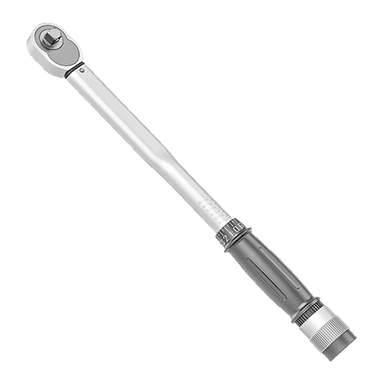
- 🛠️ 3/8" drive torque wrench (5–75 ft-lbs range)
- 🛠️ Flathead screwdriver (medium)
- 🛠️ Hose clamp pliers (specialty)
- 🛠️ Needle-nose pliers
- 🛠️ Plastic trim tool
- 🛠️ Large drain pan (at least 3–4 gallons)
- 🛠️ Coolant funnel or spill-free funnel (specialty)
- 🛠️ Shop towels or rags
- 🛠️ Floor jack (rated 3-ton minimum)
- 🛠️ Jack stands (rated 3-ton minimum)
- 🛠️ Work light or flashlight
- 🛠️ Safety glasses
- 🛠️ Nitrile gloves
- 🛠️ Small wire brush
- 🛠️ Plastic scraper
🔩 Required Parts
HowToo sells all the parts you need for this repair:
- 🔩 Engine thermostat with seal (6.0L hybrid) - Qty: 1
- 🔩 Thermostat housing gasket or O-ring - Qty: 1
- 🔩 Dex-Cool compatible coolant (50/50 premix) - Qty: 3 gallons
- 🔩 Upper radiator hose clamp - Qty: 1 (optional, if original is weak)
- 🔩 Lower radiator hose clamp - Qty: 1 (optional)
- 🔩 RTV silicone sealant (coolant-safe) - Qty: 1 small tube (only if gasket surface is imperfect)
- 🔩 Shop towels - Qty: 1 pack
- 🔩 Distilled water - Qty: 1 gallon (for topping off if needed)
📋 Before You Begin
- Park the Silverado on a level surface, set the parking brake, and put the transmission in Park.
- Let the engine cool completely (at least 1–2 hours after running).
- Open the hood and locate the coolant reservoir on the passenger side.
- Disconnect the 12V battery negative cable: use a 10mm socket to loosen the nut and move the cable aside so it cannot spring back.
- Make sure pets and children are kept away from the work area and coolant.
🔨 Step-by-Step Instructions
Follow these steps in order:
Step 1: Lift and prepare the truck (if needed)
- If you want more room under the front, use the floor jack (3-ton) to lift the front crossmember and place the truck securely on jack stands under the frame rails.
- Chock the rear wheels with blocks or wood to prevent movement.
- Only crawl under when jack stands are in place.
Step 2: Relieve coolant pressure
- Put on safety glasses and nitrile gloves.
- Slowly loosen the coolant reservoir cap by hand. If you hear hissing, pause and let pressure bleed off before removing fully.
- If engine feels warm, wait longer before opening.
Step 3: Drain enough coolant
- Position the drain pan under the radiator on the driver side, near the bottom.
- Locate the radiator drain plug (petcock). Use a flathead screwdriver to gently turn it counterclockwise and start coolant flow.
- Drain about 1.5–2 gallons (enough to drop below thermostat level). You do not need to drain the entire system.
- Once drained, close the drain plug with the flathead screwdriver until snug. Do not overtighten. Torque to 1.5 Nm (13 in-lbs) if using a small torque wrench.
Step 4: Locate the thermostat housing
- Follow the upper radiator hose from the radiator toward the engine; it connects to a metal housing at the front of the engine—that is the thermostat housing.
- Use the work light to clearly see the hose and housing area.
Step 5: Remove the upper radiator hose from the housing
- Place the drain pan under the hose/thermostat area to catch any remaining coolant.
- Use hose clamp pliers or needle-nose pliers to squeeze the spring clamp on the upper radiator hose where it meets the housing, then slide the clamp back along the hose.
- Twist the hose gently by hand to break it free, then pull it off the thermostat housing. Use a flathead screwdriver lightly at the edge if it is stuck, but do not gouge the metal.
- Twist first, then pull to avoid tearing hose.
Step 6: Remove the thermostat housing
- Locate the two bolts securing the thermostat housing to the front of the engine (or water pump area).
- Use a 13mm socket with a 3/8" ratchet and 6" extension to remove both housing bolts.
- Gently pull the thermostat housing straight forward. Some coolant may spill; let it drain into the pan.
Step 7: Remove the old thermostat
- Note how the old thermostat is oriented: one side sits in the engine, and the spring end usually faces toward the engine.
- Pull the old thermostat out by hand. If it is stuck, wiggle it gently with needle-nose pliers.
- Remove the old gasket or O-ring from the housing or engine surface.
Step 8: Clean the sealing surfaces
- Use a plastic scraper to carefully remove any gasket residue from the housing and engine mating surfaces.
- Use a small wire brush lightly on stubborn spots, making sure not to scratch the aluminum.
- Wipe both surfaces clean with shop towels. They must be clean, dry, and smooth for the new seal to work.
- Do not let debris fall into the engine opening.
Step 9: Install the new thermostat
- Compare the new thermostat to the old one to confirm same size and shape.
- Install the new thermostat into the engine opening in the same orientation as the old one (spring side toward engine).
- If your new thermostat has an integrated gasket or O-ring, make sure it is fully seated in its groove.
- If a separate gasket is used, position the new thermostat housing gasket/O-ring on the housing or engine as designed.
- Only if the manual or gasket instructions call for it, apply a very thin film of RTV silicone to the housing side, avoiding the coolant passage.
Step 10: Reinstall the thermostat housing
- Align the thermostat housing with the thermostat and bolt holes.
- Install the two housing bolts by hand first to avoid cross-threading.
- Use the 13mm socket, 3/8" ratchet, and 6" extension to snug both bolts evenly.
- Then use the 3/8" torque wrench with the 13mm socket to tighten both housing bolts to 20 Nm (15 ft-lbs), alternating between them so the housing tightens evenly.
Step 11: Reattach the upper radiator hose
- Slide the upper radiator hose fully onto the thermostat housing pipe until it seats against the stop.
- Use hose clamp pliers to move the clamp back into its original position over the hose and fitting.
- Double-check that the hose is straight, not twisted, and the clamp is centered on the metal nipple.
Step 12: Refill the cooling system
- Make sure the radiator drain plug is closed and snug.
- Place the coolant funnel in the coolant reservoir neck.
- Slowly pour Dex-Cool 50/50 premix into the reservoir up to the “FULL COLD” mark.
- If the level drops, keep adding slowly until it stabilizes at the mark.
- Pour slowly to reduce trapped air.
Step 13: Reconnect the battery and warm up the engine
- Reconnect the 12V battery negative cable using the 10mm socket and tighten the nut snugly. Torque to 5 Nm (44 in-lbs) if you have a small torque wrench.
- Start the engine and let it idle with the coolant reservoir cap off and the coolant funnel still installed.
- Turn the cabin heater to full hot and fan to low to help circulate coolant through the heater core.
- Watch the coolant level in the funnel; as the thermostat opens, you may see bubbles and the level may drop. Add coolant as needed to keep it near the “FULL COLD” mark.
Step 14: Bleed air and check temperature
- Let the engine reach normal operating temperature. The gauge should settle around the middle and stay steady.
- Watch for leaks around the thermostat housing and hose connections with your work light.
- Once bubbles stop and the level stabilizes, remove the funnel and install the reservoir cap snugly by hand.
- Do not rev the engine hard while bleeding.
Step 15: Final checks and clean-up
- Shut off the engine and let it cool completely.
- After cooling, recheck the coolant level at the reservoir and top off with Dex-Cool 50/50 to the “FULL COLD” mark if needed.
- Inspect under the truck and around the thermostat housing and hoses for any signs of dried coolant or drips.
- Remove the jack stands and lower the truck carefully with the floor jack if you had it lifted.
- Pour old coolant from the drain pan into sealed containers and recycle it according to your local rules.
✅ After Repair
- On your first drive, watch the temperature gauge. It should come up to normal and stay stable—no overheating and no staying very cold.
- After the first couple of drives (and full cool-downs), recheck coolant level in the reservoir and top up if needed.
- Check under the front of the Silverado and around the thermostat housing and radiator hoses for any fresh leaks.
- If the engine overheats, the heater blows cold at idle, or you see rapid temperature swings, stop and recheck air bleeding and hose connections.
💰 DIY vs Shop Cost
Shop Cost: $350–$550 (parts + labor)
DIY Cost: $60–$120 (parts only)
You Save: $230–$490 by doing it yourself!
Shop labor rates vary but typically run $100–$150/hour. This repair takes a shop approximately 1.5–2.0 hours.
🎯 Ready to get started?
HowToo makes it easy: same-day/2-day shipping on every part, plus all the tools and specialty tools you need! Check out the parts and tools sections above to add everything to your cart.