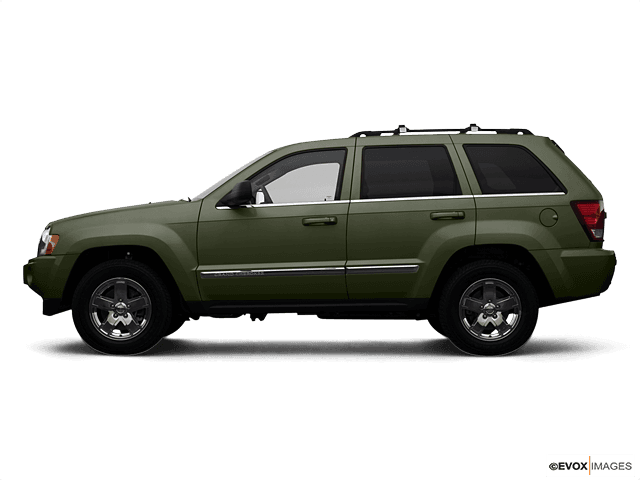









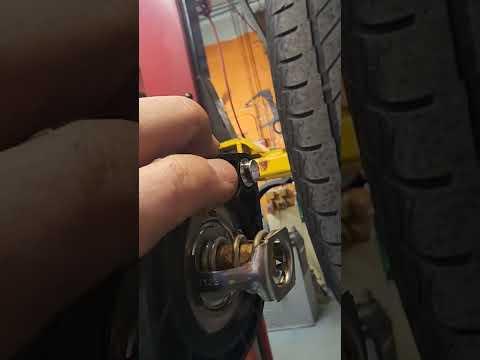







How to Replace the Thermostat Housing on a 2007-2009 Jeep Grand Cherokee (Engine: V8 4.7L)
Step-by-step DIY instructions with tools, parts, torque specs, coolant refill, and bleeding tips
How to Replace the Thermostat Housing on a 2007-2009 Jeep Grand Cherokee (Engine: V8 4.7L)
Step-by-step DIY instructions with tools, parts, torque specs, coolant refill, and bleeding tips for 2007, 2008, 2009


🔧 Grand Cherokee - Thermostat Replacement
Your Grand Cherokee’s thermostat controls coolant flow to keep engine temperature stable. If it’s stuck open you’ll run cool (poor heat, low temp), and if it’s stuck closed you’ll overheat. On your diesel, the thermostat is part of a housing at the front of the engine and the job mainly involves draining coolant, swapping the housing, then bleeding air out.
Difficulty Level: Intermediate | Estimated Time: 2-4 hours
⚠️ Safety & Precautions
- ⚠️ Never open the coolant tank when hot; pressurized coolant can burn you.
- ⚠️ Keep hands/tools clear of the fan and belt drive; the fan can engage unexpectedly.
- ⚠️ Support the SUV with jack stands on solid ground; never rely on a jack.
- ⚠️ Coolant is toxic to people and pets; catch every drop and dispose properly.
- ⚠️ Battery disconnect is not required, but do not short any electrical connectors.
🔧 Required Tools
You'll need the following tools for this repair:
- Safety glasses
- Nitrile gloves
- Floor jack (rated 3-ton minimum)
- Jack stands (rated 3-ton minimum)
- Wheel chocks
- Drain pan (at least 3-gallon)
- Funnel
- Trim clip tool
- Flat-blade screwdriver
- 8mm socket
- 10mm socket
- 13mm socket
- E10 external Torx socket
- 3/8" ratchet
- 3/8" torque wrench (10-80 Nm range)
- Hose clamp pliers
- Pick tool
- Shop towels
- 36mm fan clutch wrench (specialty)
- Fan pulley holding tool (specialty)
🔩 Required Parts
HowToo sells all the parts you need for this repair:
- Thermostat housing assembly (with seal/O-ring) - Qty: 1
- HOAT engine coolant (50/50 premix) - Qty: 3 gallons
- New hose clamps (optional) - Qty: 2
- Distilled water (only if using concentrate coolant) - Qty: 2 gallons
📋 Before You Begin
- 🅿️ Park on level ground, set the parking brake, and chock the rear wheels.
- 🧊 Let the engine cool completely (ideally overnight).
- ⬆️ Raise the front safely with a floor jack and set it on jack stands.
- 🌡️ Turn the HVAC to full HOT (this helps coolant flow through the heater circuit during bleeding).
🔨 Step-by-Step Instructions
Follow these steps in order:
Step 1: Remove the engine cover and intake ducting
- Remove the plastic engine cover by lifting it up (it’s retained by grommets).
- Use an 8mm socket or flat-blade screwdriver to loosen the intake hose clamps.
- Disconnect any small breather hose(s) using hose clamp pliers, then remove the intake ducting for access.
Step 2: Drain the coolant
- Place a drain pan under the radiator drain.
- Open the coolant expansion tank cap slowly to relieve any leftover pressure (engine must be cold).
- Open the radiator drain and let coolant fully drain into the pan. Use a trim clip tool as needed to move any splash shield clips for access.
- Tip: Keep the drain pan centered; flow can shift.
Step 3: Create working room at the front of the engine
- If access is tight, remove the fan shroud fasteners using a 10mm socket, then lift the shroud slightly.
- If the fan blocks the thermostat area, remove the mechanical fan using a 36mm fan clutch wrench and fan pulley holding tool (specialty).
- A fan clutch wrench is a thin 36mm wrench designed to fit the large fan nut in tight space.
Step 4: Disconnect hoses and electrical connector at the thermostat housing
- Use hose clamp pliers to move the clamp back, then twist and pull the upper radiator hose off the thermostat housing.
- Use a pick tool carefully if the hose is stuck (do not gouge the plastic/metal neck).
- Unplug the coolant temperature sensor/connector at the housing (press the tab, then pull).
- Stuff a shop towel under the connection to catch spills.
Step 5: Remove the thermostat housing
- Remove the thermostat housing mounting bolts using an E10 external Torx socket and 3/8" ratchet.
- Pull the housing straight off. More coolant will drain—keep the drain pan underneath.
- Remove and discard the old seal/O-ring (it should be replaced).
Step 6: Install the new thermostat housing
- Wipe the mating surface clean with shop towels. Do not scratch it.
- Lightly wet the new O-ring with fresh coolant, then seat it on the new housing.
- Install the housing and start all bolts by hand to avoid cross-threading.
- Tighten the bolts evenly using a 3/8" torque wrench: Torque to 10 Nm (89 in-lbs).
Step 7: Reconnect hoses and reassemble removed parts
- Reinstall the upper radiator hose and position the clamp using hose clamp pliers.
- Reconnect the electrical connector until it clicks.
- Reinstall the fan (if removed) using the 36mm fan clutch wrench (specialty) and fan pulley holding tool (specialty).
- Reinstall the fan shroud fasteners using a 10mm socket.
- Reinstall the intake ducting and tighten clamps using an 8mm socket or flat-blade screwdriver.
- Press the engine cover back onto its grommets.
Step 8: Refill and bleed the cooling system
- Close the radiator drain.
- Fill the expansion tank using a funnel with HOAT 50/50 premix coolant.
- If your housing has a bleed screw, open it carefully with a flat-blade screwdriver while filling until coolant flows steadily (no bubbles), then close it snugly.
- Start the engine and let it idle. Watch temperature and check for leaks around the housing and hose connection.
- As the engine warms up, top off coolant as the level drops. Use shop towels to wipe and re-check for seepage.
- Once the heater blows hot and the temperature is stable, shut it off, let it cool, then recheck the level and top off to the “COLD” mark.
✅ After Repair
- 🧪 With the engine fully warm, verify the heater is hot and the gauge stays steady (no overheating).
- 🔎 Check for leaks after the first drive and again the next morning (cold) around the thermostat housing and hose clamp.
- 🧯 Recheck coolant level cold and top off only with the same HOAT coolant mix.
- ♻️ Pour used coolant into sealed containers and take it to a recycling/auto parts drop-off.
💰 DIY vs Shop Cost
Shop Cost: $450-$850 (parts + labor)
DIY Cost: $90-$250 (parts only)
You Save: $360-$600 by doing it yourself!
Shop labor rates vary but typically run $100-$150/hour. This repair takes a shop approximately 2-4 hours.
🎯 Ready to get started?
HowToo makes it easy: same-day/2-day shipping on every part, plus all the tools and specialty tools you need! Check out the parts and tools sections below to add everything to your cart.
Guide for Engine Coolant Thermostat Housing Assembly replace for these Jeep vehicles
| Year Make Model | Sub Model | Engine | Body Style |
|---|---|---|---|
| 2009 Jeep Grand Cherokee | - | V6 3.0L | - |
| 2008 Jeep Grand Cherokee | - | V6 3.0L | - |
| 2007 Jeep Grand Cherokee | - | V6 3.0L | - |