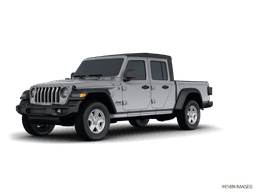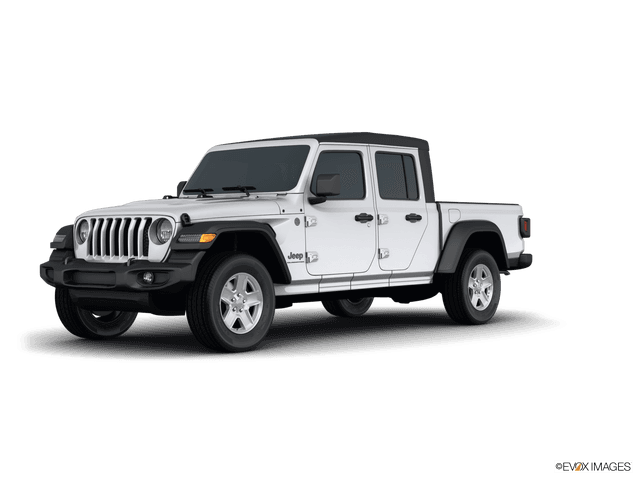
















How to Replace the Thermostat Housing Assembly on a 2020-2022 Jeep Gladiator (Engine: V6 3.6L)
Step-by-step thermostat replacement with tools, parts list, coolant refill/bleeding steps, and torque specs
How to Replace the Thermostat Housing Assembly on a 2020-2022 Jeep Gladiator (Engine: V6 3.6L)
Step-by-step thermostat replacement with tools, parts list, coolant refill/bleeding steps, and torque specs for 2020, 2021, 2022


🔧 Gladiator - Thermostat Replacement
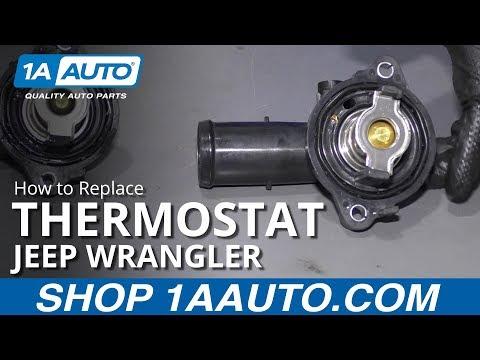
On your Gladiator, the thermostat is built into a thermostat housing assembly on the front of the engine. Replacing it fixes issues like overheating, slow warm-up, weak cabin heat, or coolant-temp related warning lights by restoring proper coolant flow control.
Difficulty Level: Intermediate | Estimated Time: 1.5–3.0 hours
⚠️ Safety & Precautions
- ⚠️ Let the engine cool completely before opening the cooling system.
- ⚠️ Never remove the coolant cap when hot; scalding coolant can spray out.
- ⚠️ Support the truck with jack stands if lifted; never rely on a floor jack.
- ⚠️ Keep coolant off paint, belts, and the driveway; it’s toxic to people and pets.
- ⚠️ Battery disconnect is not required, but keep tools away from the alternator power stud.
🔧 Required Tools
You'll need the following tools for this repair:
- Safety glasses
- Nitrile gloves
- Floor jack (rated 3-ton minimum)
- Jack stands (rated 3-ton minimum)
- Wheel chocks
- Drain pan (at least 10 liters)
- Funnel (spill-proof coolant funnel)
- Shop towels
- Ratchet (3/8" drive)
- 3/8" drive extension (6")
- 10mm socket
- Flathead screwdriver
- Hose clamp pliers
- Plastic trim clip tool
- Torque wrench (inch-pound)
🔩 Required Parts
HowToo sells all the parts you need for this repair:
- Thermostat housing assembly (includes thermostat and seal) - Qty: 1
- Engine coolant (OAT, 50/50 premix) - Qty: 2–3 gallons
- Distilled water - Qty: 1 gallon
📋 Before You Begin
- 🅿️ Park on level ground, set the parking brake, and chock the rear wheels.
- 🧊 Make sure the engine is fully cool (top radiator hose should feel cool).
- 🧼 Put a drain pan under the front of the engine/radiator area.
- 🔥 Plan to set HVAC to full heat during bleeding (this helps push trapped air out).
🔨 Step-by-Step Instructions
Follow these steps in order:
Step 1: Make room to access the thermostat housing
- Remove the engine cover (if equipped) by pulling straight up by hand.
- Loosen the intake tube clamp(s) using a flathead screwdriver.
- Release any intake clips with a plastic trim clip tool, then move the intake tube/snorkel out of the way.
Step 2: Relieve pressure and drain coolant below the thermostat level
- Slowly loosen the coolant reservoir cap by hand to release any residual pressure, then remove it.
- Position a drain pan (at least 10 liters) under the radiator/lower hose area.
- Drain enough coolant so the level is below the thermostat housing (usually about 1–2 gallons). Use your vehicle’s drain point if accessible; otherwise, you can carefully slip the lower radiator hose off just enough to drain.
- Tip: Drain less first to avoid a huge mess.
Step 3: Remove the upper radiator hose from the thermostat housing
- Use hose clamp pliers to slide the clamp back away from the thermostat housing neck.
- Twist the hose gently to break it free, then pull it off.
- Aim the hose end into the drain pan (at least 10 liters) to catch any remaining coolant.
Step 4: Remove the thermostat housing assembly
- Place shop towels under the housing area to catch drips.
- Remove the thermostat housing mounting bolts using a 10mm socket, ratchet (3/8" drive), and 3/8" drive extension (6").
- Lift the thermostat housing assembly off the engine and keep the mating surface clean.
Step 5: Install the new thermostat housing assembly
- Wipe the engine mating surface clean using shop towels. Do not scratch the aluminum surface.
- Set the new thermostat housing assembly in place, making sure the seal stays seated.
- Start all bolts by hand, then snug them evenly using a 10mm socket.
- Final tighten with a torque wrench (inch-pound): Torque to 105 in-lb (12 Nm).
Step 6: Reconnect hoses and reinstall the intake parts
- Reinstall the upper radiator hose fully onto the thermostat housing neck.
- Use hose clamp pliers to return the clamp to its original position.
- Reinstall the intake tube/snorkel and tighten the clamp(s) using a flathead screwdriver.
- Reinstall the engine cover (if equipped) by pressing it down into place.
Step 7: Refill coolant and purge air
- Install a funnel (spill-proof coolant funnel) and fill with engine coolant (OAT, 50/50 premix) to the correct level.
- Start the engine and let it idle. Set HVAC to maximum heat and medium fan.
- As it warms up, watch the coolant level and add as needed through the funnel (spill-proof coolant funnel).
- When the radiator hose gets hot and you have steady heat from the vents, shut the engine off and let it cool fully.
- After cool-down, top off the reservoir to the proper mark and install the cap.
- Tip: A short drive helps purge tiny air pockets.
✅ After Repair
- 🔍 With the engine running, check for leaks at the thermostat housing and hose connection.
- 🌡️ Test drive 10–15 minutes and confirm the temperature gauge stays normal.
- 🧊 After the next full cool-down, recheck coolant level and top off if needed.
- 🧾 If a warning light appears, scan codes and address any cooling-system faults.
💰 DIY vs Shop Cost
Shop Cost: ₹10,000–₹22,000 (parts + labor)
DIY Cost: ₹3,000–₹9,000 (parts only)
You Save: ₹7,000–₹13,000 by doing it yourself!
Shop labor rates vary but typically run ₹800–₹2,000/hour. This repair takes a shop approximately 1.5–3.0 hours.
🎯 Ready to get started?
HowToo makes it easy: same-day/2-day shipping on every part, plus all the tools and specialty tools you need! Check out the parts and tools sections below to add everything to your cart.
Guide for Engine Coolant Thermostat Housing Assembly replace for these Jeep vehicles
| Year Make Model | Sub Model | Engine | Body Style |
|---|---|---|---|
| 2022 Jeep Gladiator | - | V6 3.6L | - |
| 2021 Jeep Gladiator | - | V6 3.6L | - |
| 2020 Jeep Gladiator | - | V6 3.6L | - |