









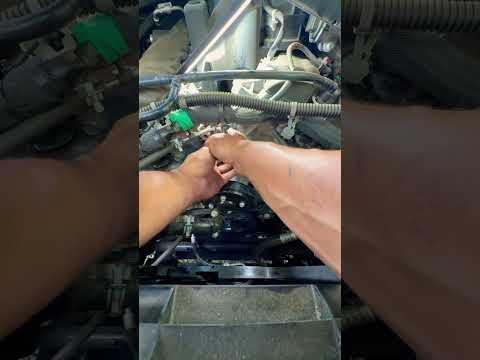







How to Replace the Thermostat Housing Assembly on a 2017-2022 GMC Canyon 3.6L (Engine: Inline 4 2.5L)
Step-by-step thermostat replacement with required tools/parts, 89 in-lb torque spec, and coolant refill & bleeding tips
How to Replace the Thermostat Housing Assembly on a 2017-2022 GMC Canyon 3.6L (Engine: Inline 4 2.5L)
Step-by-step thermostat replacement with required tools/parts, 89 in-lb torque spec, and coolant refill & bleeding tips for 2017, 2018, 2019, 2020, 2021, 2022


🔧 Canyon - Thermostat Replacement
On your Canyon’s 3.6L, the thermostat is part of the coolant outlet/thermostat housing assembly. Replacing it requires draining some coolant, swapping the housing, then refilling and bleeding air so the engine doesn’t overheat.
Difficulty Level: Intermediate | Estimated Time: 1.5-3.0 hours
⚠️ Safety & Precautions
- ⚠️ Never open the surge tank cap hot; coolant can spray and burn.
- ⚠️ Support the truck with jack stands; never rely on a floor jack.
- ⚠️ Keep hands/tools clear of the cooling fan; it can turn on unexpectedly.
- ⚠️ Clean spilled coolant immediately; it’s toxic and slippery.
- Battery disconnect is not required, but disconnecting the negative cable is recommended if you’ll be working close to the fan or wiring.
🔧 Required Tools
You'll need the following tools for this repair:
- Safety glasses
- Nitrile gloves
- Floor jack (rated 3-ton minimum)
- Jack stands (rated 3-ton minimum)
- Wheel chocks
- Drain pan (at least 3-gallon)
- Funnel
- Trim clip removal tool
- Flat-blade screwdriver
- 8mm socket
- 10mm socket
- 13mm socket
- 1/4" ratchet
- 3/8" ratchet
- 3" extension
- 6" extension
- Torque wrench (inch-pound)
- Hose clamp pliers
- Pick tool
- Shop rags
🔩 Required Parts
HowToo sells all the parts you need for this repair:
- Thermostat housing assembly (thermostat included) - Qty: 1
- Thermostat housing gasket/O-ring - Qty: 1
- Dex-Cool coolant (50/50 premix) - Qty: 2 gallons
- Hose clamp - Qty: 1
📋 Before You Begin
- Park on level ground, set the parking brake, and chock the rear wheels.
- Let the engine cool fully (preferably overnight).
- Set the HVAC to HEAT later during bleeding (helps purge air from the heater core).
- If you choose to disconnect the battery: use a 10mm socket and remove the negative terminal first.
🔨 Step-by-Step Instructions
Follow these steps in order:
Step 1: Raise the front and access the lower shield
- Use wheel chocks to secure the rear wheels.
- Lift the front with a floor jack (rated 3-ton minimum) and support with jack stands (rated 3-ton minimum).
- Remove the front lower splash shield/air deflector fasteners using a trim clip removal tool, 8mm socket, and 10mm socket (fasteners vary).
Step 2: Drain coolant to below thermostat level
- Place a drain pan (at least 3-gallon) under the radiator drain area.
- Slowly loosen the surge tank cap to relieve any remaining pressure.
- Open the radiator drain using a flat-blade screwdriver (if equipped) and drain until flow slows.
- If there is no drain or access is limited, disconnect the lower radiator hose using hose clamp pliers and carefully twist the hose free with a pick tool to break the seal. Twist first; don’t pry on plastic.
Step 3: Remove the air intake duct (top access)
- Remove the engine cover by pulling upward (use shop rags for grip if needed).
- Loosen the intake duct clamps using an 8mm socket or flat-blade screwdriver.
- Disconnect any intake/PCV fresh-air tube clips with a trim clip removal tool, then lift the duct out.
Step 4: Locate the thermostat housing and disconnect lines/connectors
- Locate the thermostat housing at the front of the engine where the large radiator hose connects.
- Unplug the coolant temperature/thermostat electrical connector (if present) by releasing the tab using a pick tool.
- Release the radiator hose clamp using hose clamp pliers, then remove the hose. Expect some coolant loss.
Step 5: Remove the thermostat housing
- Remove the thermostat housing bolts using a 10mm socket, 1/4" ratchet, and 3" extension.
- Lift the housing straight off and remove the old gasket/O-ring.
- Clean the mating surface with shop rags (no gouging, no abrasive disks).
Step 6: Install the new thermostat housing
- Install the new gasket/O-ring onto the new housing.
- Set the housing in place and hand-start all bolts.
- Tighten evenly using a 10mm socket and finish with a torque wrench (inch-pound): Torque to 10 Nm (89 in-lbs).
- Reconnect the radiator hose and position the clamp using hose clamp pliers.
- Reconnect the electrical connector (press until it clicks).
Step 7: Reinstall the intake duct and splash shield
- Reinstall the intake duct and tighten clamps with an 8mm socket or flat-blade screwdriver.
- Reinstall the lower splash shield using the 8mm socket, 10mm socket, and trim clip removal tool.
- Lower the truck safely off the jack stands (rated 3-ton minimum) using the floor jack (rated 3-ton minimum).
Step 8: Refill and bleed the cooling system
- Fill the surge tank using a funnel with Dex-Cool coolant (50/50 premix) to the cold fill line.
- Start the engine and set HVAC to maximum heat.
- Let it idle, then hold around 1,500–2,000 rpm for 30–60 seconds a few times to help purge air.
- Watch the temperature gauge and check for heat from the vents.
- Shut the engine off, let it cool, then top off to the cold fill line.
✅ After Repair
- Inspect for leaks around the thermostat housing and hose connection with the engine running.
- Verify the heater blows hot and the temperature gauge stays normal on a 10–15 minute drive.
- After the first full cool-down, recheck coolant level and top off if needed.
- If the check engine light comes on, scan for codes (coolant temperature-related codes can indicate trapped air or a connector issue).
💰 DIY vs Shop Cost
Shop Cost: $350-$650 (parts + labor)
DIY Cost: $60-$180 (parts only)
You Save: $170-$590 by doing it yourself!
Shop labor rates vary but typically run $100-$150/hour. This repair takes a shop approximately 1.5-3.0 hours.
🎯 Ready to get started?
HowToo makes it easy: same-day/2-day shipping on every part, plus all the tools and specialty tools you need! Check out the parts and tools sections below to add everything to your cart.
Guide for Engine Coolant Thermostat Housing Assembly replace for these GMC vehicles
| Year Make Model | Sub Model | Engine | Body Style |
|---|---|---|---|
| 2022 GMC Canyon | - | V6 3.6L | - |
| 2021 GMC Canyon | - | V6 3.6L | - |
| 2020 GMC Canyon | - | V6 3.6L | - |
| 2019 GMC Canyon | - | V6 3.6L | - |
| 2018 GMC Canyon | - | V6 3.6L | - |
| 2017 GMC Canyon | - | V6 3.6L | - |