









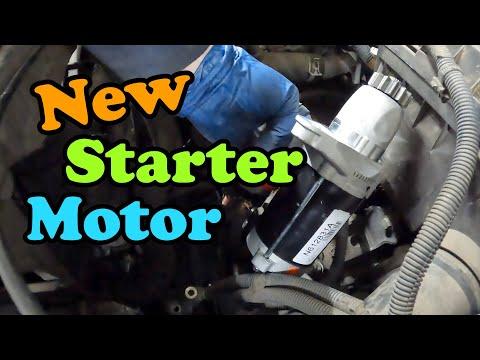





How to Replace the Starter Motor on a 2019 Toyota Highlander V6 (Step-by-Step)
Complete DIY guide with tools, parts, intake manifold removal tips, and torque specs to install a new starter
How to Replace the Starter Motor on a 2019 Toyota Highlander V6 (Step-by-Step)
Complete DIY guide with tools, parts, intake manifold removal tips, and torque specs to install a new starter


🔧 Highlander - Starter Motor Replacement
On your Highlander V6, the starter sits in the “V” of the engine under the intake manifold (the big upper air/plenum assembly). Replacing it means removing the intake manifold to access the starter, then reinstalling everything with new gaskets so you don’t create vacuum leaks.
Difficulty Level: Advanced | Estimated Time: 3-5 hours
⚠️ Safety & Precautions
- ⚠️ Disconnect the battery negative cable first; the starter power cable is always “hot” and can short badly.
- ⚠️ Work on a cold engine; you’ll be leaning over hot parts and plastic connectors can break when hot.
- ⚠️ Keep bolts and connectors organized; many look similar and mis-routing can cause no-start or check engine lights.
- ⚠️ Do not pry on plastic intake parts; they can crack and cause air leaks.
🔧 Required Tools
You'll need the following tools for this repair:
- Safety glasses
- Mechanic gloves
- 10mm wrench
- 8mm socket
- 10mm socket
- 12mm socket
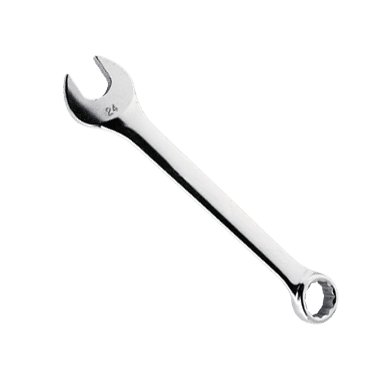
- 14mm socket
- 3/8" ratchet
- 1/4" ratchet
- 3/8" torque wrench (10-80 ft-lbs)
- 1/4" torque wrench (inch-lb range)
- 6" extension (3/8" drive)
- 12" extension (3/8" drive)
- Wobble extension (3/8" drive)
- Trim clip removal tool
- Needle-nose pliers
- Pick tool
- Flat-blade screwdriver
- Magnetic pickup tool
- Shop towels
- Parts tray
🔩 Required Parts
HowToo sells all the parts you need for this repair:
- Starter motor - Qty: 1
- Upper intake manifold gasket set - Qty: 1
- Throttle body gasket - Qty: 1
- Dielectric grease - Qty: 1
📋 Before You Begin
- Park on level ground, shift to Park, and set the parking brake.
- Open the hood and remove the engine cover (it pulls upward; use a trim clip removal tool if needed).
- Disconnect the battery negative terminal using a 10mm wrench and move it aside so it can’t spring back.
- Label hoses/connectors with tape as you remove them. Photos help a lot.
🔨 Step-by-Step Instructions
Follow these steps in order:
Step 1: Remove the air intake duct
- Loosen the clamps with an 8mm socket or flat-blade screwdriver (whichever your clamps use).
- Unplug the intake sensor connector(s) by releasing the lock tab (use a pick tool gently if stuck).
- Lift the duct out and set it aside.
Step 2: Remove the throttle body connections
- Unplug the throttle body electrical connector (release the tab; don’t pull on wires).
- Remove any small vacuum/PCV hoses attached near the throttle body using needle-nose pliers for spring clamps.
- Remove the throttle body mounting bolts using a 10mm socket.
- Lift the throttle body off and remove the old gasket with a pick tool.
- Cover the opening with a clean shop towel to keep debris out.
Step 3: Remove the upper intake manifold (plenum)
- Unplug the connectors and remove the attached hoses/lines from the upper intake manifold (use a pick tool to release locking tabs carefully).
- Remove the upper intake mounting bolts/nuts using a 12mm socket with a 6" extension.
- Lift the upper intake manifold straight up and out. If it feels stuck, gently wiggle—do not pry hard.
- Remove the old upper intake gaskets and keep track of their locations.
- Cover the lower intake ports with clean shop towels immediately. One dropped bolt can ruin your day.
Step 4: Access the starter and disconnect wiring
- Locate the starter in the engine valley.
- Remove the small starter solenoid connector (pull straight off after releasing the tab).
- Remove the nut on the main starter power cable using a 12mm socket, then lift the cable off.
- Keep the cable end clean and away from metal.
Step 5: Remove the starter motor
- Remove the starter mounting bolts using a 14mm socket with a wobble extension and 12" extension as needed.
- Lift the starter out carefully without hitting or pinching nearby wiring.
Step 6: Install the new starter motor
- Set the new starter into place and start the mounting bolts by hand to avoid cross-threading.
- Tighten the starter bolts using a 14mm socket, then Torque to 39 Nm (29 ft-lbs) with a 3/8" torque wrench.
- Reconnect the main power cable and tighten the nut using a 12mm socket, then Torque to 9 Nm (80 in-lbs).
- Reconnect the solenoid connector and apply a small amount of dielectric grease to the connector seal. Less is more.
Step 7: Reinstall the upper intake manifold with new gaskets
- Remove the shop towels from the intake ports and verify nothing fell in.
- Install the new upper intake manifold gaskets in the correct positions.
- Set the upper intake manifold in place.
- Install bolts/nuts finger-tight, then tighten evenly using a 12mm socket.
- Torque to 21 Nm (15 ft-lbs) using a 3/8" torque wrench.
- Reconnect all hoses and electrical connectors you removed.
Step 8: Reinstall the throttle body and air intake duct
- Install a new throttle body gasket, then reinstall the throttle body using a 10mm socket.
- Torque to 10 Nm (89 in-lbs) using a 1/4" torque wrench.
- Reconnect the throttle body connector.
- Reinstall the air intake duct and tighten clamps with an 8mm socket or flat-blade screwdriver.
Step 9: Reconnect the battery
- Reconnect the battery negative terminal using a 10mm wrench.
- Make sure the terminal is snug and doesn’t rotate by hand.
✅ After Repair
- Turn the key/start button to ON (not start) for a few seconds, then start the engine.
- The first start may crank a second longer than normal; that’s typical after disconnecting the battery.
- Let the engine idle for 3-5 minutes with all accessories off so the idle can stabilize.
- Check for vacuum leaks: listen for hissing and confirm the idle is smooth.
- If you get a check engine light, re-check every intake hose and electrical connector you touched.
💰 DIY vs Shop Cost
Shop Cost: $900-$1,500 (parts + labor)
DIY Cost: $250-$550 (parts only)
You Save: $650-$950 by doing it yourself!
Shop labor rates vary but typically run $100-$150/hour. This repair takes a shop approximately 3-5 hours.
🎯 Ready to get started?
HowToo makes it easy: same-day/2-day shipping on every part, plus all the tools and specialty tools you need! Check out the parts and tools sections below to add everything to your cart.