









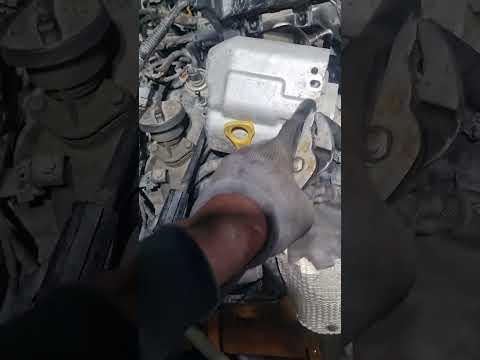







How to Replace the Starter Motor on a 2019 Hyundai Santa Fe XL
Step-by-step starter replacement with tools, parts list, access tips (top vs bottom), and torque specs for 2019
How to Replace the Starter Motor on a 2019 Hyundai Santa Fe XL
Step-by-step starter replacement with tools, parts list, access tips (top vs bottom), and torque specs for 2019


🔧 Santa Fe XL - Starter Motor Replacement
Replacing the starter means disconnecting the battery, gaining access to the starter (either from the top under the intake, or from below near the transmission), swapping the unit, and reconnecting everything. On your Santa Fe XL, access can vary by exact layout, so I’ll show you both common access paths and you’ll follow the one that matches what you see.
Difficulty Level: Advanced | Estimated Time: 2.5-5 hours
⚠️ Safety & Precautions
- ⚠️ Disconnect the negative battery cable first to prevent a short.
- ⚠️ Let the engine cool fully; you’ll work near hot exhaust parts.
- ⚠️ Support the SUV with jack stands; never rely on a jack alone.
- ⚠️ Keep keys away from the vehicle so it can’t crank accidentally.
- ⚠️ If you remove the intake manifold, cover open ports immediately to prevent anything falling into the engine.
🔧 Required Tools
You'll need the following tools for this repair:
- Safety glasses
- Mechanic gloves
- Floor jack (rated 3-ton minimum)
- Jack stands (rated 3-ton minimum)
- Wheel chocks
- 10mm socket
- 12mm socket
- 14mm socket
- 17mm socket
- 3/8" ratchet
- 1/2" ratchet
- 3/8" torque wrench (10-100 Nm range)
- 1/2" torque wrench (40-200 Nm range)
- 3/8" extensions (3" and 6")
- Universal joint adapter
- Flat trim tool
- Phillips screwdriver
- Pliers
- Magnetic pickup tool
- Shop light
- Fender cover
🔩 Required Parts
HowToo sells all the parts you need for this repair:
- Starter motor - Qty: 1
- Intake manifold gasket set - Qty: 1
- Throttle body gasket - Qty: 1
- Dielectric grease - Qty: 1
- Brake cleaner - Qty: 1
📋 Before You Begin
- Park on level ground, shift to Park, and set the parking brake.
- Install wheel chocks behind the rear wheels.
- Open the hood and identify whether your starter is visible from below near the transmission, or hidden under the upper intake manifold.
- Disconnect the battery: use a 10mm socket to remove the negative terminal first, then the positive.
🔨 Step-by-Step Instructions
Follow these steps in order:
Step 1: Confirm starter access path (Top vs Bottom)
- Use a shop light and look behind the engine toward the transmission.
- If you can see the starter body and wiring from under the vehicle, follow Path B.
- If it looks buried under the upper intake area (you can’t see it from below), follow Path A.
- If unsure, send a photo from above and below.
Step 2 (Path B): Raise the vehicle and remove the lower cover
- Lift the front with a floor jack (rated 3-ton minimum) and support with jack stands (rated 3-ton minimum).
- Remove the engine under cover/splash shield using a 10mm socket and flat trim tool for clips.
Step 3 (Path B): Disconnect starter wiring
- Locate the starter solenoid on the starter.
- Remove the small signal wire connector using pliers (release the lock, then pull straight off).
- Remove the main battery cable nut using a 12mm socket, then lift the cable off.
- Apply a thin film of dielectric grease to the terminal during reassembly.
Step 4 (Path B): Remove starter mounting bolts
- Support the starter with one hand.
- Remove the mounting bolts using a 14mm socket, 3/8" ratchet, and extensions (3" and 6").
- Use a universal joint adapter if a bolt is at an angle.
- Lower the starter out carefully.
Step 5 (Path A): Remove intake ducting and upper components for access
- Remove the intake snorkel/air duct using a Phillips screwdriver and 10mm socket.
- Unplug any connectors in the way using a flat trim tool to lift locking tabs gently.
- Remove the throttle body fasteners using a 10mm socket.
- Set the throttle body aside carefully without stretching the wiring.
- Torque to 10 Nm (7 ft-lbs) for throttle body bolts on reassembly.
Step 6 (Path A): Remove the upper intake manifold
- Label hoses/connectors with tape before disconnecting them.
- Remove intake manifold bolts/nuts using a 12mm socket with 3/8" extensions (3" and 6").
- Lift the manifold off and immediately cover intake ports with a clean rag.
- Torque to 20 Nm (15 ft-lbs) for intake manifold fasteners on reassembly.
Step 7 (Path A): Disconnect starter wiring
- Remove the starter signal connector using pliers (unlock first).
- Remove the main cable nut using a 12mm socket.
Step 8 (Path A): Remove the starter
- Remove starter mounting bolts using a 14mm socket and 3/8" ratchet.
- Lift the starter out carefully (it may be snug in the dowel fit).
Step 9: Install the new starter
- Clean the mounting surface using brake cleaner.
- Position the starter and hand-thread the mounting bolts first to avoid cross-threading.
- Tighten mounting bolts using a 14mm socket and torque wrench.
- Torque to 44 Nm (32 ft-lbs) for starter mounting bolts.
Step 10: Reconnect starter wiring
- Install the main battery cable and tighten with a 12mm socket.
- Torque to 9 Nm (80 in-lbs) for the starter B+ terminal nut.
- Reconnect the signal wire until it clicks.
- Route wires exactly like before.
Step 11: Reassemble removed components
- If you removed the intake manifold, install new gaskets and reassemble using a 12mm socket and torque wrench.
- Reinstall the throttle body with a new gasket using a 10mm socket.
- Reinstall intake ducting using a Phillips screwdriver and 10mm socket.
- If you worked from below, reinstall the splash shield using a 10mm socket and flat trim tool.
Step 12: Reconnect the battery
- Reconnect the positive terminal first, then negative using a 10mm socket.
- Torque to 6 Nm (53 in-lbs) for battery terminal clamp nuts.
✅ After Repair
- Start your Santa Fe XL and confirm it cranks strongly without clicking.
- Check for warning lights and listen for unusual grinding during crank.
- If you removed the intake manifold, check for hissing (vacuum leak) and recheck fasteners after a short drive.
- Inspect the starter cable area for heat contact and make sure the boot covers the main terminal.
💰 DIY vs Shop Cost
Shop Cost: $600-$1,200 (parts + labor)
DIY Cost: $180-$450 (parts only)
You Save: $420-$750 by doing it yourself!
Shop labor rates vary but typically run $100-$150/hour. This repair takes a shop approximately 2.5-4.5 hours.
🎯 Ready to get started?
HowToo makes it easy: same-day/2-day shipping on every part, plus all the tools and specialty tools you need! Check out the parts and tools sections below to add everything to your cart.