









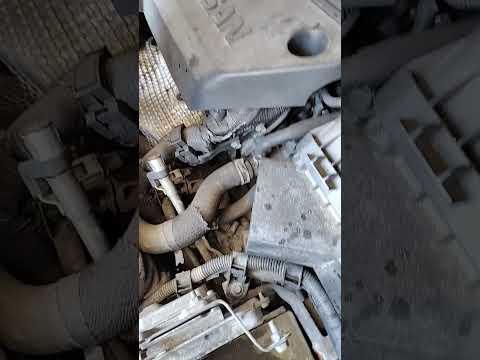







How to Replace the Starter Motor on a 2019-2023 Nissan Altima 2.5L (Trim: SV | Engine: Inline 4 2.5L | Body: Sedan)
Step-by-step DIY starter motor replacement with tools, parts list, torque specs, safety tips, and cost savings
How to Replace the Starter Motor on a 2019-2023 Nissan Altima 2.5L (Trim: SV | Engine: Inline 4 2.5L | Body: Sedan)
Step-by-step DIY starter motor replacement with tools, parts list, torque specs, safety tips, and cost savings for 2019, 2020, 2021, 2022


🔧 Altima - Starter Motor Replacement
You’ll remove the old starter motor from the front of the engine/transmission area and install a new one. This restores proper engine cranking when you press the start button.
Difficulty Level: Intermediate | Estimated Time: 2–3 hours
⚠️ Safety & Precautions
- ⚠️ Disconnect the negative battery cable before touching the starter; it is directly connected to the battery and can cause severe sparks or burns.
- ⚠️ Always support the Altima with jack stands, never only a floor jack. A jack stand is a solid support that holds the car safely in the air.
- ⚠️ Work on level ground with the transmission in Park and parking brake fully set.
- ⚠️ Let the exhaust and engine cool completely before working underneath.
- ⚠️ Keep fingers, hair, and clothing away from moving parts when you reconnect the battery and test.
🔧 Required Tools
You'll need the following tools for this repair:
- 🧰 Floor jack (rated 3-ton minimum)
- 🧰 Jack stands (rated 3-ton minimum), Qty: 2
- 🧰 Wheel chocks
- 🧰 Ratchet handle 3/8"
- 🧰 Socket set metric 8mm–19mm
- 🧰 10mm socket
- 🧰 12mm socket
- 🧰 14mm socket
- 🧰 3/8" drive extensions (3" and 6")
- 🧰 Torque wrench 3/8" drive (5–80 ft-lbs range)
- 🧰 Flathead screwdriver medium
- 🧰 Trim clip removal tool
- 🧰 Small wire brush
- 🧰 Work light or flashlight
- 🧰 Mechanic’s gloves
- 🧰 Safety glasses
- 🧰 Knee pad or small creeper
🔩 Required Parts
HowToo sells all the parts you need for this repair:
- 🔩 Starter motor assembly (for 2.5L) - Qty: 1
- 🔩 Starter mounting bolts (optional new hardware) - Qty: 2
- 🔩 Battery terminal cleaning pads - Qty: 1 set
- 🔩 Dielectric grease - Qty: 1 small tube
- 🔩 Anti-seize compound - Qty: 1 small tube
- 🔩 Underbody splash shield clips (replacement) - Qty: 6–10
📋 Before You Begin
- Park the Altima on level ground, shift to Park, set the parking brake, and place wheel chocks behind the rear wheels.
- Open the hood using the inside release, then the safety latch at the front edge.
- Turn off all electrical accessories (lights, radio, blower fan) and remove the key fob from the car.
- Wait at least 2–3 minutes after turning the car off before disconnecting the battery so control modules go to sleep.
🔨 Step-by-Step Instructions
Follow these steps in order:
Step 1: Disconnect the battery
- Lift off the plastic battery cover if equipped by hand or with the flathead screwdriver to release tabs.
- Use a 10mm socket and ratchet to loosen the nut on the negative (-) battery terminal.
- Twist and lift the negative cable off the battery post and move it aside so it cannot spring back.
- Torque on reassembly: Tighten the terminal nut to 6 Nm (53 in-lbs) later.
- Always remove negative cable first, reconnect it last.
Step 2: Raise and support the front of the Altima
- Place the floor jack under the front center jacking point (reinforced area behind the front bumper crossmember).
- Pump the jack until the front wheels are off the ground high enough for you to work underneath.
- Position jack stands under the factory pinch welds or designated support points on each side, then slowly lower the car onto the stands.
- Give the car a gentle shake to confirm it is stable on the stands.
- Never work under a car supported only by a jack.
Step 3: Remove the lower engine splash shield
- Slide under the front of the Altima with your work light.
- Use a 10mm socket and ratchet to remove the bolts holding the front lower splash shield.
- Use the trim clip removal tool to gently pry out any plastic push clips. A trim clip tool is a fork-shaped lever for removing plastic fasteners.
- Lower the splash shield and set it aside, keeping track of bolts and clips.
Step 4: Locate the starter motor
- From underneath at the front of the engine, look at the area where the engine meets the transmission.
- The starter is a cylindrical motor bolted to the transmission bellhousing, with a thick cable coming from the battery and a small electrical plug.
- Position your light so you can clearly see both mounting bolts and the wiring connections.
Step 5: Disconnect starter wiring
- Locate the small electrical connector (solenoid plug) on the starter.
- Press the tab on the connector and pull it straight off by hand; if tight, gently help it with the flathead screwdriver.
- Locate the large battery cable attached to a stud on the starter with a nut.
- Use a 12mm socket and ratchet to remove the nut from this stud, then pull the cable eyelet off and set the cable aside.
- Torque on reassembly: Tighten this nut to 12 Nm (9 ft-lbs) later.
- Do not let the cable twist or hang by the wire only.
Step 6: Remove starter mounting bolts
- Find the two starter mounting bolts that hold the starter to the transmission housing.
- Use a 14mm socket, 3/8" ratchet, and suitable extension to loosen and remove the lower bolt first.
- Support the starter body with one hand while you remove the upper bolt using the same 14mm socket and extension.
- Carefully lower the starter out of its opening and remove it from under the car.
- Note bolt length and position as you remove them.
Step 7: Prepare the mounting surface
- Inspect the starter mounting area on the transmission for dirt or corrosion.
- Use the small wire brush to gently clean the contact surfaces where the starter flange sits.
- Wipe the area with a clean rag.
- Apply a very thin film of anti-seize compound on the starter flange where it contacts the transmission (avoid the teeth and openings).
- Thin coating only; too much attracts dirt.
Step 8: Install the new starter motor
- Position the new starter in place, aligning the nose into the opening on the transmission.
- Install the upper mounting bolt by hand first to hold the starter in place.
- Install the lower mounting bolt by hand, making sure both start easily without cross-threading.
- Use a 14mm socket, ratchet, and extension to snug both bolts evenly.
- Set your torque wrench with a 14mm socket and tighten both starter mounting bolts to 50 Nm (37 ft-lbs).
- Tighten bolts evenly to keep starter seated flat.
Step 9: Reconnect starter wiring
- Slide the large battery cable eyelet onto the starter stud.
- Thread the nut on by hand to avoid cross-threading.
- Use a 12mm socket and torque wrench to tighten the nut to 12 Nm (9 ft-lbs).
- Apply a small dab of dielectric grease to the small connector terminal, then firmly push the connector back onto the starter until it clicks.
- Connector should feel locked, not loose.
Step 10: Reinstall the lower splash shield
- Lift the splash shield back into position under the front of the car.
- Install the bolts by hand first in their original locations.
- Use a 10mm socket and ratchet to snug the bolts—just firm, not over-tightened.
- Reinstall any plastic clips using your fingers or the trim clip removal tool to press them fully into place.
Step 11: Lower the Altima
- Use the floor jack to lift the front of the car slightly to take weight off the jack stands.
- Remove the jack stands from both sides.
- Slowly lower the car to the ground with the jack.
- Remove the wheel chocks.
Step 12: Reconnect the battery
- If the battery posts or terminal clamps are corroded, clean them with battery terminal cleaning pads or the wire brush.
- Place the negative (-) cable clamp back on the battery post.
- Use a 10mm socket and torque wrench to tighten the clamp nut to 6 Nm (53 in-lbs), just snug enough that the clamp does not move.
- Reinstall the battery cover by hand.
✅ After Repair
- Get in the Altima, press the brake pedal, and press the start button. The engine should crank strongly and start quickly.
- Listen for abnormal noises from the starter area (grinding, whine, or repeated clicks). Turn off immediately if you hear anything unusual and recheck mounting and wiring.
- Check the instrument cluster for warning lights. A brief battery or steering light after reconnecting the battery is normal and should clear after driving.
- Inspect under the car for any loose splash shield areas or hanging wires.
- Keep an ear out over next few starts.
💰 DIY vs Shop Cost
Shop Cost: $550–$800 (parts + labor)
DIY Cost: $150–$280 (parts only)
You Save: $400–$520 by doing it yourself!
Shop labor rates vary but typically run $100–$150/hour. This repair takes a shop approximately 2–3 hours.
🎯 Ready to get started?
HowToo makes it easy: same-day/2-day shipping on every part, plus all the tools and specialty tools you need! Check out the parts and tools sections above to add everything to your cart.
Guide for Starter Motor replace for these Nissan vehicles
| Year Make Model | Sub Model | Engine | Body Style |
|---|---|---|---|
| 2023 Nissan Altima | S | Inline 4 2.5L | Sedan |
| 2023 Nissan Altima | SL | Inline 4 2.5L | Sedan |
| 2023 Nissan Altima | SR | Inline 4 2.5L | Sedan |
| 2023 Nissan Altima | SV | Inline 4 2.5L | Sedan |
| 2022 Nissan Altima | Platinum | Inline 4 2.5L | Sedan |
| 2022 Nissan Altima | S | Inline 4 2.5L | Sedan |
| 2022 Nissan Altima | SL | Inline 4 2.5L | Sedan |
| 2022 Nissan Altima | SR | Inline 4 2.5L | Sedan |
| 2022 Nissan Altima | SV | Inline 4 2.5L | Sedan |
| 2021 Nissan Altima | Platinum | Inline 4 2.5L | Sedan |
| 2021 Nissan Altima | S | Inline 4 2.5L | Sedan |
| 2021 Nissan Altima | SL | Inline 4 2.5L | Sedan |
| 2021 Nissan Altima | SR | Inline 4 2.5L | Sedan |
| 2021 Nissan Altima | SV | Inline 4 2.5L | Sedan |
| 2020 Nissan Altima | Platinum | Inline 4 2.5L | Sedan |
| 2020 Nissan Altima | S | Inline 4 2.5L | Sedan |
| 2020 Nissan Altima | SL | Inline 4 2.5L | Sedan |
| 2020 Nissan Altima | SR | Inline 4 2.5L | Sedan |
| 2020 Nissan Altima | SV | Inline 4 2.5L | Sedan |
| 2019 Nissan Altima | Platinum | Inline 4 2.5L | Sedan |
| 2019 Nissan Altima | S | Inline 4 2.5L | Sedan |
| 2019 Nissan Altima | SL | Inline 4 2.5L | Sedan |
| 2019 Nissan Altima | SR | Inline 4 2.5L | Sedan |
| 2019 Nissan Altima | SV | Inline 4 2.5L | Sedan |