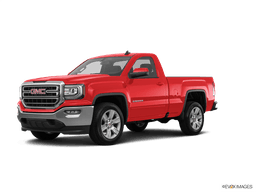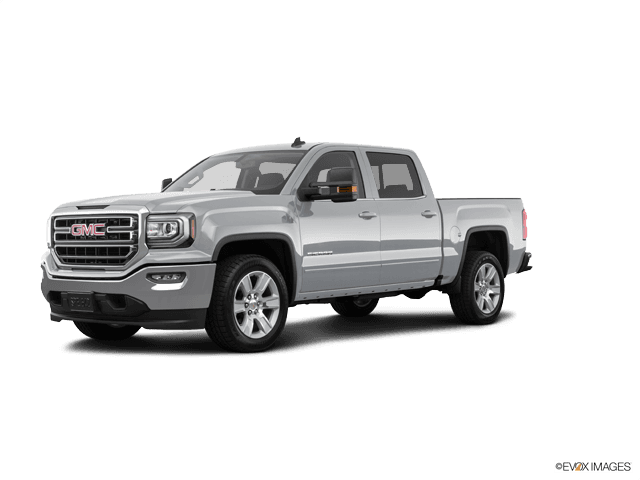
















How to Replace the Starter Motor on a 2018 GMC Sierra 1500 (Step-by-Step Guide)
Tools, parts list, safety tips, wiring steps, and torque specs for a reliable starter install
How to Replace the Starter Motor on a 2018 GMC Sierra 1500 (Step-by-Step Guide)
Tools, parts list, safety tips, wiring steps, and torque specs for a reliable starter install


🔧 Sierra 1500 - Starter Motor Replacement
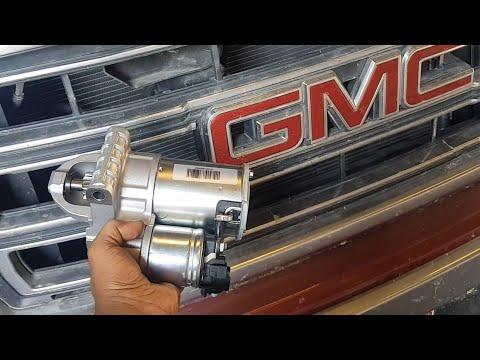
Your Sierra 1500’s starter motor is the electric motor that spins the engine to start it. Replacement usually involves disconnecting the battery, lifting the truck safely, unplugging the starter wiring, and swapping the unit on the side of the engine/transmission.
Difficulty Level: Intermediate | Estimated Time: 1.0-2.0 hours
⚠️ Safety & Precautions
- 🛑 Disconnect the battery negative cable before touching starter wiring.
- 🧯 Let the exhaust cool; the starter sits near hot components.
- 🧰 Support the truck with jack stands; never rely on a jack alone.
- 🧤 Avoid shorting the main starter cable to metal (it’s always “hot” if the battery is connected).
🔧 Required Tools
You'll need the following tools for this repair:
- Safety glasses
- Mechanic gloves
- Wheel chocks
- Floor jack (rated 3-ton minimum)
- Jack stands (rated 3-ton minimum)
- 3/8" drive ratchet
- 3/8" drive extension set
- Torque wrench (3/8" drive)
- 10mm socket
- 13mm socket
- 15mm socket
- Flat-blade screwdriver
- Trim clip remover (specialty)
🔩 Required Parts
HowToo sells all the parts you need for this repair:
- Starter motor assembly - Qty: 1
- Starter mounting bolts - Qty: 2 (recommended)
- Dielectric grease - Qty: 1
📋 Before You Begin
- 🅿️ Park on level ground and set the parking brake.
- 🧱 Chock the rear wheels with wheel chocks.
- 🔋 Open the hood and be ready to disconnect the battery negative cable using a 10mm socket.
- 🧠 If you have radio presets, note them; battery disconnect may reset memory.
🔨 Step-by-Step Instructions
Follow these steps in order:
Step 1: Disconnect the battery
- Use a 10mm socket to loosen the negative (–) battery terminal clamp.
- Lift the negative cable off and position it so it can’t spring back to the post.
- Always remove negative first.
Step 2: Raise and support the front of the truck
- Place wheel chocks behind the rear tires.
- Lift the front with a floor jack (rated 3-ton minimum) at a safe front jacking point.
- Set the truck down onto jack stands (rated 3-ton minimum) before going underneath.
Step 3: Remove the lower splash shield (if equipped)
- Remove any clips using a trim clip remover (specialty).
- Remove bolts/screws using a 10mm socket (some trucks may use different small fasteners).
- Set the shield and hardware aside in order.
Step 4: Locate the starter
- The starter is mounted to the engine near the transmission bellhousing, typically on the passenger side.
- If there’s a small heat shield on/near the starter, remove its fasteners with a 10mm socket and move it aside.
Step 5: Disconnect starter electrical connectors
- Remove the small solenoid trigger wire connector (often retained by a tab); use a flat-blade screwdriver gently if needed.
- Remove the nut for the main battery cable at the starter solenoid using a 13mm socket.
- Pull the main cable off the stud and keep it from touching metal.
- Apply a thin wipe of dielectric grease to connector seals during reassembly (not on the stud threads).
Step 6: Remove the starter mounting bolts
- Support the starter with one hand.
- Remove the starter mounting bolts using a 15mm socket with a 3/8" drive ratchet and 3/8" drive extension.
- Lower the starter out carefully.
Step 7: Install the new starter
- Position the new starter into place and start both mounting bolts by hand to avoid cross-threading.
- Tighten the starter mounting bolts using a 15mm socket, then torque with a torque wrench (3/8" drive).
- Torque to 50 Nm (37 ft-lbs).
Step 8: Reconnect starter wiring
- Install the main battery cable onto the solenoid stud and tighten the nut using a 13mm socket.
- Torque to 15 Nm (11 ft-lbs).
- Reconnect the solenoid trigger wire until it clicks/locks into place.
Step 9: Reinstall shields and lower the truck
- Reinstall any starter heat shield using a 10mm socket.
- Reinstall the lower splash shield using a trim clip remover (specialty) and 10mm socket.
- Raise slightly with the floor jack (rated 3-ton minimum), remove jack stands, and lower the truck.
Step 10: Reconnect the battery and test
- Reconnect the negative battery cable and tighten with a 10mm socket.
- Torque to 15 Nm (11 ft-lbs).
- Start the engine and listen for a strong, clean crank (no grinding).
✅ After Repair
- 🔍 Verify the engine cranks normally and starts consistently 3-5 times.
- 🧪 Check that the starter cable is not touching the exhaust or moving parts.
- 🛠️ If you hear grinding, stop and recheck starter seating and bolt tightness.
- 📻 Reset clock/radio presets if needed after battery reconnect.
💰 DIY vs Shop Cost
Shop Cost: $500-$900 (parts + labor)
DIY Cost: $150-$350 (parts only)
You Save: $350-$550 by doing it yourself!
Shop labor rates vary but typically run $100-$150/hour. This repair takes a shop approximately 1.0-2.0 hours.
🎯 Ready to get started?
HowToo makes it easy: same-day/2-day shipping on every part, plus all the tools and specialty tools you need! Check out the parts and tools sections below to add everything to your cart.