













How to Replace the Starter Motor on a 2016 Volvo XC60 3.0L
Step-by-step instructions with tools, parts, torque specs, and safety tips for 2010, 2011, 2012, 2013, 2014, 2015
How to Replace the Starter Motor on a 2016 Volvo XC60 3.0L
Step-by-step instructions with tools, parts, torque specs, and safety tips for 2010, 2011, 2012, 2013, 2014, 2015


Assumption: This procedure is for your XC60 with the 3.0L inline-6 and automatic transmission.
🔧 Starter Motor - Replacement
The starter motor cranks the engine when you turn the key or press the start button. On this XC60, access is tight, so the job is mostly about safely disconnecting power, removing surrounding intake/heat shielding, and unbolting the starter from the transmission bellhousing.
Difficulty Level: Intermediate | Estimated Time: 2-4 hours
⚠️ Safety & Precautions
- Disconnect the battery before starting. The starter cable is always live and can arc badly.
- Wait at least 10 minutes after battery disconnect before working near electrical connectors.
- Support the vehicle securely on jack stands if you need access from underneath. Never rely on a jack alone.
- Keep tools away from the battery positive cable and starter power terminal.
- Let the engine and exhaust cool fully before touching nearby parts.
🔧 Required Tools
You'll need the following tools for this repair:
- 10mm socket
- 13mm socket
- 15mm socket
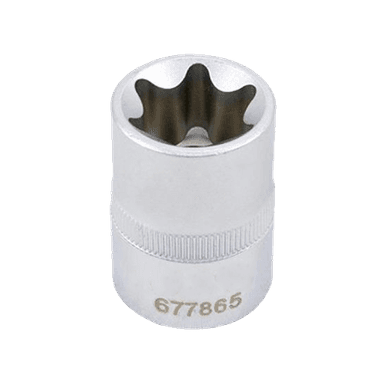
- E-Torx socket set
- Ratchet
- Extensions
- Universal joint socket adapter
- Torque wrench
- Flat-blade trim tool
- Needle-nose pliers
- Floor jack (rated 3-ton minimum)
- Jack stands
- Wheel chocks
- Safety glasses
- Nitrile gloves
🔩 Required Parts
HowToo sells all the parts you need for this repair:
- Starter motor - Qty: 1
- Starter mounting bolts - Qty: 2
- Starter heat shield - Qty: 1 if damaged
- Battery terminal clamp hardware - Qty: 1 if damaged
📋 Before You Begin
- Park on a level surface and set the parking brake.
- Open the hood and make sure you have the radio code or presets noted if needed.
- Disconnect the negative battery cable first, then the positive cable if needed.
- Raise the front of the vehicle only if you need extra room below.
🔨 Step-by-Step Instructions
Follow these steps in order:
Step 1: Disconnect the battery
- Use a 10mm socket to remove the negative battery cable.
- Move the cable aside so it cannot touch the battery terminal.
- Keep the cable isolated.
Step 2: Remove the air intake parts above the starter
- Use a flat-blade trim tool and 10mm socket to remove the intake tube, air box pieces, or covers blocking access.
- Label any hoses or clips so they go back in the same place.
- On this XC60, starter access is often easier from above and below together.
Step 3: Raise and support the vehicle if needed
- Use a floor jack (rated 3-ton minimum) and jack stands to safely support the front of the vehicle.
- Place wheel chocks at the rear wheels.
- Make sure the vehicle is stable before crawling underneath.
Step 4: Remove starter wiring
- Locate the starter on the transmission bellhousing.
- Use a 13mm socket or 10mm socket to remove the main battery cable nut from the starter terminal.
- Use a 10mm socket or needle-nose pliers to disconnect the smaller trigger wire connector.
- Cover the cable end so it cannot short to ground.
Step 5: Remove the starter mounting bolts
- Use the correct E-Torx socket with extensions and a universal joint socket adapter if clearance is tight.
- Remove the two starter mounting bolts from the bellhousing.
- Support the starter with one hand as the last bolt comes out.
- Torque on installation: tighten starter bolts to 48 Nm (35 ft-lbs).
Step 6: Remove the starter
- Work the starter out carefully through the opening.
- If it hangs up, reposition nearby hoses or harnesses instead of forcing it.
- Do not pull on the wiring.
Step 7: Install the new starter
- Compare the new starter to the old one before installing.
- Set the starter into place by hand first.
- Install the mounting bolts finger-tight, then tighten with a torque wrench to 48 Nm (35 ft-lbs).
Step 8: Reconnect starter wiring
- Reconnect the trigger wire first.
- Install the main power cable and tighten the nut with a 13mm socket or 10mm socket.
- Make sure the cable boots and covers are seated fully.
Step 9: Reinstall intake parts and lower the vehicle
- Reinstall the intake tube, air box parts, and covers using the 10mm socket and flat-blade trim tool.
- Lower the vehicle carefully if it was raised.
Step 10: Reconnect the battery and test
- Reconnect the battery negative cable with a 10mm socket.
- Start the engine and listen for smooth cranking.
- Check for warning lights and confirm no clicking or grinding.
✅ After Repair
- Start the engine 2-3 times to confirm normal operation.
- Check that the battery cables and starter wiring stay cool and secure.
- If the engine still cranks slowly, test the battery and charging system next.
- Make sure no intake hoses or covers were left loose.
💰 DIY vs Shop Cost
Shop Cost: $650-$1,150 (parts + labor)
DIY Cost: $180-$450 (parts only)
You Save: $470-$700 by doing it yourself!
Shop labor rates vary but typically run $100-$150/hour. This repair takes a shop approximately 2-4 hours.
🎯 Ready to get started?
HowToo makes it easy: same-day/2-day shipping on every part, plus all the tools and specialty tools you need! Check out the parts and tools sections below to add everything to your cart.