













How to Replace the Starter Motor on a 2016 Volkswagen Tiguan 2.0L Turbo
Step-by-step instructions with tools, parts, torque specs, and safety tips for 2009, 2010, 2011, 2012, 2013, 2014, 2015, 2016, 2017
How to Replace the Starter Motor on a 2016 Volkswagen Tiguan 2.0L Turbo
Step-by-step instructions with tools, parts, torque specs, and safety tips for 2009, 2010, 2011, 2012, 2013, 2014, 2015, 2016, 2017


Assumption: This procedure is for your Tiguan with the 2.0L turbo engine and manual transmission.
🔧 Starter Motor - Replacement
The starter motor cranks the engine when you turn the key. On your Tiguan, access is tight and the unit is mounted low on the transmission side of the engine. This job usually requires raising the vehicle and working from above and below.
Difficulty Level: Advanced | Estimated Time: 3-5 hours
⚠️ Safety & Precautions
- Disconnect the negative battery terminal before starting. The starter cable is always hot.
- Use jack stands on solid ground. Never work under a vehicle supported only by a jack.
- Keep hands clear of the starter wiring and flywheel area.
- Allow the exhaust and engine to cool before beginning.
- If the battery is weak, test it first. A bad battery can mimic a bad starter.
🔧 Required Tools
You'll need the following tools for this repair:
- 10mm wrench
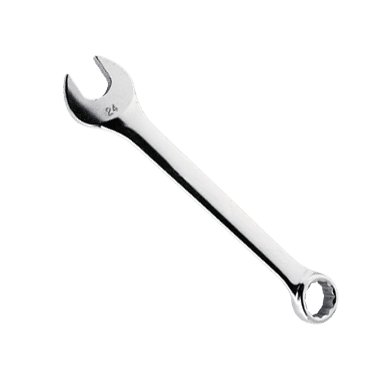
- 13mm socket
- 16mm socket
- 18mm socket
- Ratchet
- 3/8-inch drive extension set
- Torque wrench
- Flat-head screwdriver
- Trim clip removal tool
- Floor jack (rated 3-ton minimum)
- Jack stands
- Wheel chocks
- Safety glasses
- Mechanic gloves
🔩 Required Parts
HowToo sells all the parts you need for this repair:
- Starter motor - Qty: 1
- Starter mounting hardware - Qty: 1 set
- Battery terminal protective cover - Qty: 1
📋 Before You Begin
- Park on level ground and set the parking brake.
- Put the transmission in neutral.
- Chock the rear wheels.
- Disconnect the negative battery cable first, using a 10mm wrench.
- Raise the front of the vehicle and support it with jack stands.
🔨 Step-by-Step Instructions
Follow these steps in order:
Step 1: Disconnect the battery
- Use a 10mm wrench to loosen the negative battery terminal.
- Remove the cable and secure it away from the post.
- Keep the cable from springing back.
Step 2: Raise and support the vehicle
- Use a floor jack (rated 3-ton minimum) to lift the front of the vehicle.
- Place the vehicle securely on jack stands.
- Remove the lower engine cover with a trim clip removal tool and flat-head screwdriver.
Step 3: Locate the starter motor
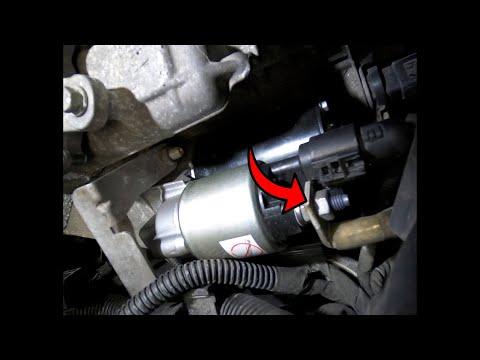
- Find the starter on the transmission bell housing near the engine-to-transmission joint.
- Identify the heavy battery cable and small trigger wire attached to it.
- Take a quick photo before removal.
Step 4: Remove starter wiring
- Use a flat-head screwdriver to lift any protective cover over the terminal.
- Use a 13mm socket to remove the main battery cable nut.
- Disconnect the small trigger wire connector by hand or with a flat-head screwdriver if needed.
Step 5: Remove the starter mounting bolts
- Use an 18mm socket with extensions and a ratchet to remove the starter mounting bolts.
- Support the starter with one hand while removing the last bolt.
- Remove the starter from the vehicle.
- It may need a little twisting to clear the housing.
Step 6: Install the new starter
- Position the new starter in place by hand.
- Install the mounting bolts finger-tight first using an 18mm socket.
- Torque to 45 Nm (33 ft-lbs).
Step 7: Reconnect the starter wiring
- Reconnect the small trigger wire.
- Install the main battery cable with a 13mm socket.
- Torque to 9 Nm (80 in-lbs).
- Reinstall the protective terminal cover.
Step 8: Reassemble and lower the vehicle
- Reinstall the lower engine cover using the trim clip removal tool and flat-head screwdriver.
- Lower the vehicle carefully from the jack stands.
- Reconnect the negative battery terminal with a 10mm wrench.
✅ After Repair
- Turn the key to START and confirm the engine cranks normally.
- Check for warning lights on the dash.
- Listen for grinding, clicking, or slow cranking.
- If it still will not start, test the battery and starter wiring again.
💰 DIY vs Shop Cost
Shop Cost: $650-$1,150 (parts + labor)
DIY Cost: $180-$420 (parts only)
You Save: $470-$730 by doing it yourself!
Shop labor rates vary but typically run $100-$150/hour. This repair takes a shop approximately 3-5 hours.
🎯 Ready to get started?
HowToo makes it easy: same-day/2-day shipping on every part, plus all the tools and specialty tools you need! Check out the parts and tools sections below to add everything to your cart.