













How to Replace the Starter Motor on a 2016 Volkswagen Jetta
Step-by-step instructions with tools, parts, safety tips, and torque specs for 2014, 2015, 2016, 2017, 2018
How to Replace the Starter Motor on a 2016 Volkswagen Jetta
Step-by-step instructions with tools, parts, safety tips, and torque specs for 2014, 2015, 2016, 2017, 2018


🔧 Starter Motor - Replacement
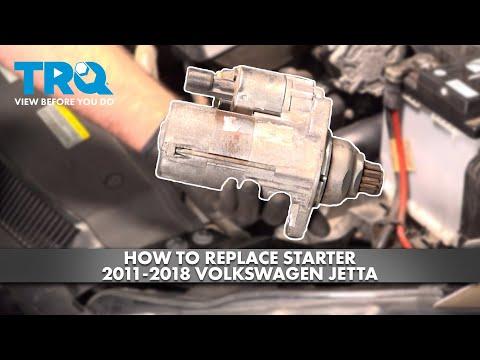
The starter motor on your Jetta sits low on the transmission side of the engine and is easier to reach from underneath. You’ll disconnect the battery, remove the electrical connections, unbolt the starter, and install the new unit in the same position.
Difficulty Level: Intermediate | Estimated Time: 2-4 hours
⚠️ Safety & Precautions
- Disconnect the negative battery cable before starting. This prevents accidental cranking and electrical shorting.
- Support the car securely with jack stands before working underneath. Never rely on a jack alone.
- The starter area may be hot if the engine was recently run.
- Keep tools away from the battery positive terminal. The starter cable is always hot.
- Wear safety glasses and gloves. Rust and debris often fall when the starter is removed.
🔧 Required Tools
You'll need the following tools for this repair:
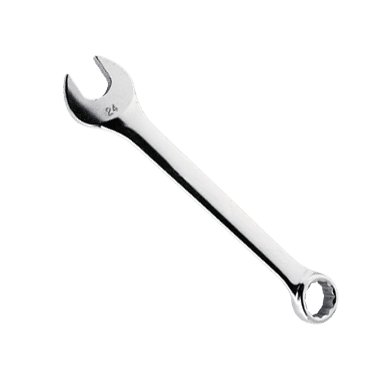
- 10mm wrench
- 13mm socket
- 16mm socket
- Ratchet
- Long extension
- Swivel extension
- Torque wrench
- Flat-blade screwdriver
- Floor jack (rated 3-ton minimum)
- Jack stands
- Wheel chocks
- Safety glasses
- Mechanic gloves
🔩 Required Parts
HowToo sells all the parts you need for this repair:
- Starter motor - Qty: 1
- Starter mounting bolts - Qty: 2
- Battery terminal nut cover - Qty: 1
📋 Before You Begin
- Park on level ground and set the parking brake.
- Chock the rear wheels.
- Open the hood and disconnect the negative battery terminal first using a 10mm wrench.
- Raise the front of the car and support it securely on jack stands.
- Remove the lower engine splash shield if equipped.
🔨 Step-by-Step Instructions
Follow these steps in order:
Step 1: Disconnect the battery
- Use a 10mm wrench to loosen the negative battery terminal.
- Move the cable aside so it cannot spring back onto the terminal.
- Wait a few minutes before touching starter wiring.
Step 2: Raise and support the car
- Use a floor jack to lift the front of the Jetta at the factory jack point.
- Place it securely on jack stands.
- Make sure the car is stable before getting underneath.
Step 3: Remove the lower splash shield
- Use the correct flat-blade screwdriver or 13mm socket if fasteners are present to remove the lower cover.
- Set all fasteners aside in order.
Step 4: Unplug the starter electrical connectors
- Locate the starter on the transmission side of the engine.
- Use a flat-blade screwdriver to gently release the protective cover, if equipped.
- Remove the small trigger wire and main battery cable from the starter.
- Use a 13mm socket for the main cable nut.
- Do not let the cable touch metal.
Step 5: Remove the starter mounting bolts
- Use a 16mm socket, long extension, and swivel extension to remove the starter bolts.
- Support the starter with one hand while removing the last bolt.
- Lower the starter out of the bellhousing area.
- Torque on installation: 60 Nm (44 ft-lbs)
Step 6: Install the new starter
- Position the new starter in place and start both mounting bolts by hand using a 16mm socket.
- Tighten the bolts evenly.
- Torque to 60 Nm (44 ft-lbs)
Step 7: Reconnect the wiring
- Reconnect the main battery cable using a 13mm socket.
- Reconnect the trigger wire and make sure the connector locks in place.
- Reinstall any protective cover removed earlier.
Step 8: Reassemble and lower the car
- Reinstall the splash shield using the flat-blade screwdriver or the original fasteners.
- Lower the car carefully off the jack stands.
- Reconnect the negative battery terminal with a 10mm wrench.
✅ After Repair
- Turn the key to START and confirm the engine cranks normally.
- Listen for grinding, clicking, or delayed engagement.
- Check that no warning lights appear related to battery or starting.
- If it does not crank, recheck the main cable, trigger wire, and battery connections.
💰 DIY vs Shop Cost
Shop Cost: $450-$850 (parts + labor)
DIY Cost: $180-$380 (parts only)
You Save: $270-$470 by doing it yourself!
Shop labor rates vary but typically run $100-$150/hour. This repair takes a shop approximately 2-4 hours.
🎯 Ready to get started?
HowToo makes it easy: same-day/2-day shipping on every part, plus all the tools and specialty tools you need! Check out the parts and tools sections below to add everything to your cart.