









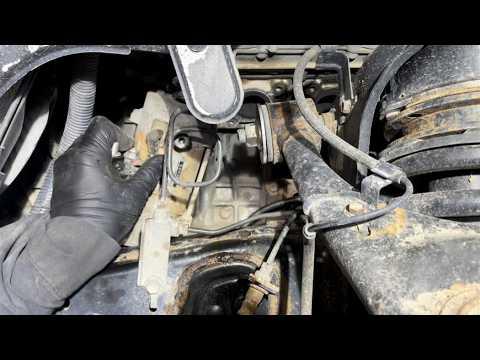



How to Replace the Starter Motor on a 2016 Toyota Tundra
Step-by-step repair guide with tools, parts, torque specs, and safety tips for 2011, 2012, 2013, 2014, 2015, 2016, 2017, 2018, 2019
How to Replace the Starter Motor on a 2016 Toyota Tundra
Step-by-step repair guide with tools, parts, torque specs, and safety tips for 2011, 2012, 2013, 2014, 2015, 2016, 2017, 2018, 2019


🔧 Starter Motor - Replacement
On your Tundra, the starter motor sits low in the engine valley area and access is tight. This job requires removing several intake components to reach it, then carefully disconnecting the electrical connections and mounting bolts before installing the new starter.
Difficulty Level: Advanced | Estimated Time: 3-5 hours
⚠️ Safety & Precautions
- Disconnect the negative battery cable first. The starter cable is always hot and can arc hard.
- Let the engine cool completely before starting. Intake parts can be hot.
- Keep track of every hose, clip, and connector you remove. The intake system must seal correctly.
- Do not crank the engine with the starter removed.
- Use jack stands only if you need underbody access. Never rely on a jack alone.
- Label connectors as you remove them.
🔧 Required Tools
You'll need the following tools for this repair:
- 8mm socket
- 10mm socket
- 12mm socket
- 13mm socket
- 14mm socket
- 3/8-inch ratchet
- 3/8-inch extension set
- Universal joint socket adapter
- Torque wrench
- Flathead screwdriver
- Needle-nose pliers
- Trim clip removal tool
- Battery terminal wrench
- Shop light
- Gloves
- Safety glasses
🔩 Required Parts
HowToo sells all the parts you need for this repair:
- Starter motor - Qty: 1
- Starter mounting gasket or seal - Qty: 1
- Intake manifold gaskets - Qty: 1 set
- Throttle body gasket - Qty: 1
- Air cleaner duct clamps - Qty: 2
- Dielectric grease - Qty: 1
📋 Before You Begin
- Park on a level surface and set the parking brake.
- Move the shifter to Park.
- Disconnect the negative battery cable with a 10mm wrench.
- Wait at least 90 seconds after disconnecting the battery before touching any electrical connectors.
🔨 Step-by-Step Instructions
Follow these steps in order:
Step 1: Disconnect battery power
- Use a 10mm wrench to remove the negative battery cable.
- Isolate the cable so it cannot spring back and touch the terminal.
Step 2: Remove the air intake assembly
- Use an 8mm socket and 10mm socket to loosen the intake tube clamps and remove the air duct.
- Remove any breather hoses by hand or with needle-nose pliers.
- Lift out the air cleaner duct and any resonator pieces blocking access.
Step 3: Remove throttle body components
- Use a 10mm socket to remove the throttle body fasteners and set it aside if needed for access.
- Unplug the throttle body connector carefully.
- Torque on reassembly: 10 N·m (89 in-lbs) for throttle body fasteners.
Step 4: Remove the intake manifold
- Use a 10mm socket, 3/8-inch extension set, and universal joint socket adapter to remove the intake manifold bolts.
- Disconnect all attached vacuum hoses, wiring connectors, and brackets before lifting the manifold.
- Carefully lift the intake manifold straight up and out.
- Do not pry on gasket surfaces.
- Torque on reassembly: 18 N·m (13 ft-lbs) for intake manifold bolts.
Step 5: Locate and disconnect the starter
- Use a 12mm socket or 13mm socket to remove the starter cable nut, depending on the fastener style installed.
- Remove the electrical connector from the starter solenoid.
- Move the cables aside so they cannot short out.
Step 6: Remove the starter motor
- Use a 14mm socket, 3/8-inch extension set, and universal joint socket adapter to remove the starter mounting bolts.
- Support the starter with one hand while removing the last bolt.
- Lift the starter out of the engine valley.
- Torque on reassembly: 39 N·m (29 ft-lbs) for starter mounting bolts.
Step 7: Install the new starter
- Position the new starter in place by hand first.
- Install the mounting bolts finger-tight before tightening them with the 14mm socket and torque wrench.
- Reconnect the main starter cable and solenoid connector.
- Apply a small amount of dielectric grease to the connector seals if needed.
- Torque on reassembly: 39 N·m (29 ft-lbs) for starter mounting bolts.
Step 8: Reinstall intake components
- Install new intake manifold gaskets before setting the manifold back in place.
- Use a 10mm socket to reinstall the intake manifold and tighten it evenly in sequence.
- Reinstall the throttle body and intake duct using the same sockets removed earlier.
- Torque on reassembly: 18 N·m (13 ft-lbs) for intake manifold bolts.
- Torque on reassembly: 10 N·m (89 in-lbs) for throttle body fasteners.
Step 9: Reconnect the battery and test
- Reinstall the negative battery cable with a 10mm wrench.
- Turn the key to START and verify the engine cranks normally.
- Listen for abnormal grinding, clicking, or slow cranking.
✅ After Repair
- Start the engine several times to confirm consistent starter operation.
- Check for vacuum leaks around the intake manifold.
- Make sure the throttle response is normal and there are no warning lights.
- If the battery was weak before, test charging voltage and battery health.
💰 DIY vs Shop Cost
Shop Cost: $700-$1,200 (parts + labor)
DIY Cost: $180-$450 (parts only)
You Save: $450-$750 by doing it yourself!
Shop labor rates vary but typically run $100-$150/hour. This repair takes a shop approximately 3-5 hours.
🎯 Ready to get started?
HowToo makes it easy: same-day/2-day shipping on every part, plus all the tools and specialty tools you need! Check out the parts and tools sections below to add everything to your cart.