














How to Replace the Starter Motor on a 2016 Toyota Highlander
Step-by-step instructions with tools, parts, torque specs, and safety tips for 2009, 2010, 2011, 2012, 2013, 2014, 2015, 2016
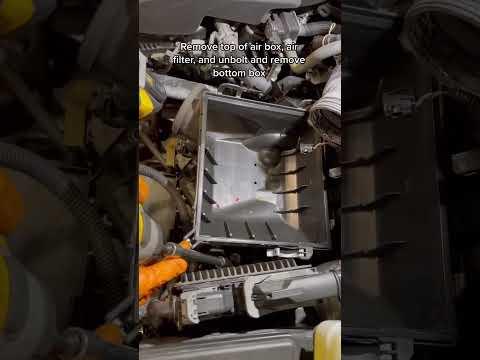
How to Replace the Starter Motor on a 2016 Toyota Highlander
Step-by-step instructions with tools, parts, torque specs, and safety tips for 2009, 2010, 2011, 2012, 2013, 2014, 2015, 2016


🔧 Starter Motor - Replacement
The starter on your Highlander is buried low and toward the rear of the engine, so access is tight. This job usually requires removing the intake air parts and upper intake manifold to reach the starter safely.
Difficulty Level: Advanced | Estimated Time: 4-6 hours
⚠️ Safety & Precautions
- Disconnect the negative battery cable before starting. The starter cable is always hot and can spark.
- Let the engine cool completely before working near the intake and exhaust.
- Support removed parts carefully so you do not damage hoses, wiring, or fuel lines.
- Be careful around the intake manifold gaskets. Do not reuse damaged seals.
- Use a memory saver only if you know how to do it safely. Battery disconnect may clear radio and window settings.
🔧 Required Tools
You'll need the following tools for this repair:
- 10mm socket
- 12mm socket
- 14mm socket
- Ratchet
- Extensions
- Universal joint socket adapter
- Torque wrench
- Flat-head screwdriver
- Trim clip removal tool
- Needle-nose pliers
- Shop light
- Gloves
- Safety glasses
- Jack stands
- Floor jack (rated 3-ton minimum)
🔩 Required Parts
HowToo sells all the parts you need for this repair:
- Starter motor - Qty: 1
- Intake manifold gasket set - Qty: 1
- Throttle body gasket - Qty: 1
- Air cleaner duct clamp(s) - Qty: 1 as needed
📋 Before You Begin
- Park on level ground and set the parking brake.
- Move the shift lever to Park and turn the ignition off.
- Disconnect the negative battery terminal with a 10mm socket.
- If you use a memory saver, connect it before battery disconnect.
- Label vacuum hoses and connectors as you remove them so reassembly is easier.
🔨 Step-by-Step Instructions
Follow these steps in order:
Step 1: Disconnect the battery
- Use a 10mm socket to disconnect the negative battery cable.
- Isolate the cable so it cannot touch the battery post.
Step 2: Remove the air intake assembly
- Use a flat-head screwdriver or 10mm socket to loosen the intake duct clamps.
- Remove the air cleaner duct, resonator sections, and any attached breather hoses.
- Set the parts aside in order.
Step 3: Remove the throttle body and upper intake parts
- Use a 10mm socket to remove the throttle body fasteners if needed for access.
- Disconnect the electrical connector carefully.
- Remove the upper intake manifold fasteners with a 10mm socket and extensions.
- Lift the manifold off evenly so you do not damage the gasket surfaces.
- Keep the ports clean.
Step 4: Access the starter motor
- Locate the starter on the engine near the transmission bell housing.
- Remove any brackets or harness clips blocking access using a 10mm socket or 12mm socket.
- Disconnect the starter electrical connectors and main power cable.
Step 5: Remove the starter motor
- Use a 14mm socket, extensions, and a universal joint socket adapter to remove the starter mounting bolts.
- Support the starter with one hand while removing the last bolt.
- Work the starter out of the opening carefully.
Step 6: Install the new starter motor
- Position the new starter in place by hand first.
- Install the mounting bolts with a 14mm socket.
- Torque to 44 Nm (33 ft-lbs).
- Reconnect the electrical terminals and tighten the main cable nut securely with a 12mm socket.
Step 7: Reinstall the intake manifold and throttle body
- Install new intake manifold gaskets before reinstalling the manifold.
- Set the manifold in place and start all fasteners by hand.
- Use a 10mm socket to tighten the manifold fasteners in a crisscross pattern.
- Torque to 20 Nm (15 ft-lbs) unless your service data for the exact fastener location specifies otherwise.
- Reinstall the throttle body with a new gasket and torque its fasteners to specification if removed.
Step 8: Reinstall the intake ducting
- Reinstall the air cleaner duct, hoses, and clamps using a flat-head screwdriver or 10mm socket.
- Make sure every clamp is seated and every hose is fully connected.
Step 9: Reconnect the battery and test
- Reconnect the negative battery cable with a 10mm socket.
- Start the engine and verify normal cranking.
- Check for warning lights, air leaks, or loose connectors.
- Listen for smooth cranking.
✅ After Repair
- Confirm the engine starts quickly and consistently.
- Check that the idle is normal after the intake is reinstalled.
- Inspect the intake area for vacuum leaks or unusual noise.
- If the battery was disconnected, reset your clock and radio presets if needed.
💰 DIY vs Shop Cost
Shop Cost: $850-$1,400 (parts + labor)
DIY Cost: $180-$450 (parts only)
You Save: $400-$950 by doing it yourself!
Shop labor rates vary but typically run $100-$150/hour. This repair takes a shop approximately 4-6 hours.
🎯 Ready to get started?
HowToo makes it easy: same-day/2-day shipping on every part, plus all the tools and specialty tools you need! Check out the parts and tools sections below to add everything to your cart.