













How to Replace the Starter Motor on a 2015-2023 Subaru WRX (Step-by-Step Guide)
Tools, parts, safety tips, and torque specs—plus intercooler removal steps for easy access
How to Replace the Starter Motor on a 2015-2023 Subaru WRX (Step-by-Step Guide)
Tools, parts, safety tips, and torque specs—plus intercooler removal steps for easy access for 2015, 2016, 2017, 2018, 2019, 2020, 2021, 2022, 2023


🔧 WRX - Starter Motor Replacement
The starter motor cranks your engine when you turn the key. On your WRX, the starter sits at the top of the transmission bellhousing, and access is tight, so you’ll remove the top-mount intercooler first to reach it cleanly.
Difficulty Level: Intermediate | Estimated Time: 1.5-3.0 hours
⚠️ Safety & Precautions
- ⚠️ Disconnect the battery negative terminal before touching the starter wiring.
- ⚠️ Let the engine cool fully; the turbo/intercooler area gets very hot.
- ⚠️ Keep tools away from the battery positive terminal to prevent a short.
- ⚠️ Support hoses and wiring—don’t pull on connectors by the wires.
🔧 Required Tools
You'll need the following tools for this repair:
- 10mm socket
- 12mm socket
- 14mm socket
- 3/8" ratchet
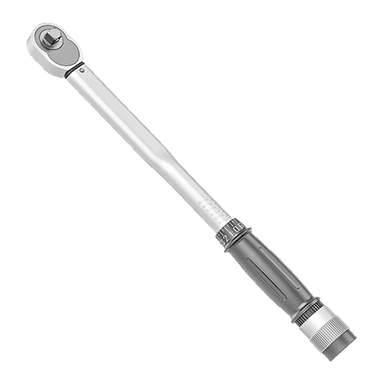
- 3/8" torque wrench (10–80 ft-lbs range)
- 3/8" extension set (3", 6", 12")
- Universal joint adapter
- Flathead screwdriver
- Needle-nose pliers
- Trim clip tool
- Telescoping magnetic pickup tool
- Shop rags
- Nitrile gloves
- Safety glasses
🔩 Required Parts
HowToo sells all the parts you need for this repair:
- Starter motor - Qty: 1
- Intercooler coupler clamps (if originals are damaged) - Qty: 2
- Dielectric grease - Qty: 1
📋 Before You Begin
- Park on level ground, set the parking brake, and remove the key.
- Open the hood and let the engine cool completely.
- Plan to remove the TMIC (top-mount intercooler: the aluminum cooler on top of the engine).
- Disconnect the battery: use a 10mm socket to remove the negative terminal first, then move it aside so it can’t spring back.
🔨 Step-by-Step Instructions
Follow these steps in order:
Step 1: Remove the top-mount intercooler (TMIC)
- Use a trim clip tool to remove clips and lift off the top plastic engine cover/ducting if equipped.
- Use a flathead screwdriver (or 10mm socket if your clamps are bolted) to loosen the intercooler hose clamps at the throttle body coupler and turbo outlet coupler.
- Use a 12mm socket to remove the intercooler mounting bolts/brackets.
- Carefully wiggle the intercooler free and lift it out. Go slow; don’t tear couplers.
- Cover the open couplers with shop rags to keep dirt out.
Step 2: Locate the starter and label the wires
- The starter is at the top of the transmission bellhousing (rear/top of the engine bay).
- Identify the two connections: the large battery cable on the starter “B+” stud and the small trigger connector (push-on style).
- Use masking tape (or a photo) to remember where each wire goes.
Step 3: Disconnect the starter electrical connections
- Use a 10mm socket to remove the small nut/bolt holding any protective cover/bracket on the starter terminal (if equipped).
- Pull off the small trigger connector by hand; use needle-nose pliers gently if it’s stuck (pull on the connector, not the wire).
- Use a 12mm socket to remove the nut on the main battery cable at the starter B+ terminal.
- Move the cable aside so it cannot touch metal.
Step 4: Remove the starter mounting bolts
- Use a 14mm socket, 3/8" ratchet, and a 6" extension to remove the two starter mounting bolts.
- If access is awkward, use a universal joint adapter.
- Support the starter with one hand as the last bolt comes out.
Step 5: Remove the starter motor
- Lift the starter up and out of the bellhousing area.
- If you drop a bolt, use a telescoping magnetic pickup tool to retrieve it.
Step 6: Install the new starter
- Set the new starter into position, aligning the nose into the bellhousing opening.
- Start both mounting bolts by hand (no tools yet) to avoid cross-threading.
- Use a 14mm socket to snug the bolts evenly.
- Final tighten with a 3/8" torque wrench: Torque to 44 Nm (33 ft-lbs).
Step 7: Reconnect the starter wiring
- Install the main battery cable onto the B+ stud and thread the nut by hand first.
- Use a 12mm socket and 3/8" torque wrench: Torque to 13 Nm (115 in-lbs).
- Push the small trigger connector back on until it seats fully.
- Apply a thin dab of dielectric grease to the outside of the connector area if desired. Use a tiny amount only.
Step 8: Reinstall the TMIC
- Remove the shop rags from the openings.
- Set the intercooler back in place and fully seat both couplers.
- Use a 12mm socket to reinstall the intercooler mounting bolts/brackets: Torque to 18 Nm (13 ft-lbs).
- Use a flathead screwdriver (or 10mm socket) to tighten both hose clamps firmly.
- Reinstall any ducting/covers using the trim clip tool.
Step 9: Reconnect the battery
- Use a 10mm socket to reconnect the battery negative terminal: Torque to 6 Nm (53 in-lbs).
✅ After Repair
- Start the engine and confirm it cranks strongly with no clicking or grinding.
- Check that the intercooler couplers are fully seated and clamps are tight (no hissing/boost leak sounds).
- Look around the starter wiring to confirm nothing is touching hot or moving parts.
- If you get a check engine light after reinstalling the TMIC, recheck every hose connection first.
💰 DIY vs Shop Cost
Shop Cost: $450-$850 (parts + labor)
DIY Cost: $180-$450 (parts only)
You Save: $270-$400 by doing it yourself!
Shop labor rates vary but typically run $100-$150/hour. This repair takes a shop approximately 1.5-3.0 hours.
🎯 Ready to get started?
HowToo makes it easy: same-day/2-day shipping on every part, plus all the tools and specialty tools you need! Check out the parts and tools sections below to add everything to your cart.