









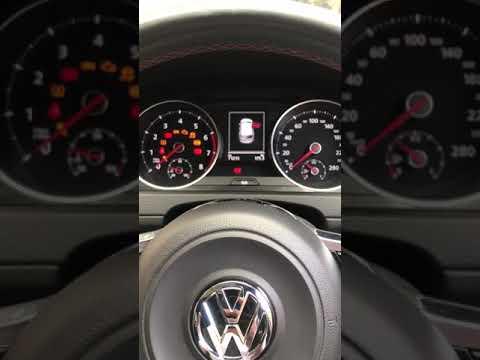




How to Replace the Starter Motor on a 2015-2021 Volkswagen GTI (Engine: Inline 4 2.0L)
Step-by-step instructions with tools, parts, safety tips, and torque specs
How to Replace the Starter Motor on a 2015-2021 Volkswagen GTI (Engine: Inline 4 2.0L)
Step-by-step instructions with tools, parts, safety tips, and torque specs for 2015, 2016, 2017, 2018, 2019, 2020, 2021


🔧 Starter Motor - Replacement
Your GTI’s starter sits low on the transmission side of the engine and is usually easiest to replace from underneath the car. This job requires battery disconnection and careful handling of the main power cable, since it stays hot even with the key off.
Difficulty Level: Intermediate | Estimated Time: 2-4 hours
⚠️ Safety & Precautions
- Disconnect the negative battery terminal before touching the starter wiring.
- Support the car with jack stands on a solid, level surface. Never work under a car held only by a jack.
- The starter power cable is always live unless the battery is disconnected.
- Keep tools away from the battery positive terminal and starter stud.
- Let the exhaust cool fully before working underneath.
- Use eye protection. Dirt and rust often fall from the bellhousing area.
🔧 Required Tools
You'll need the following tools for this repair:
- 10mm wrench
- 13mm socket
- 16mm socket
- 18mm socket
- Ratchet
- Long extension
- Swivel socket adapter
- Torque wrench
- Flat trim tool
- Jack
- Jack stands
- Wheel chocks
- Safety glasses
- Mechanic gloves
🔩 Required Parts
HowToo sells all the parts you need for this repair:
- Starter motor - Qty: 1
- Starter mounting bolts - Qty: 2
- Battery terminal anti-corrosion grease - Qty: 1
📋 Before You Begin
- Park on level ground and set the parking brake.
- Place wheel chocks behind the rear wheels.
- Open the hood and make sure the ignition is off and the key is away from the car.
- Disconnect the negative battery terminal using a 10mm wrench.
- Wait at least 10 minutes after battery disconnect before working near wiring.
🔨 Step-by-Step Instructions
Follow these steps in order:
Step 1: Raise and secure the front of the car
- Use a jack to lift the front of the GTI at the proper lift points.
- Set the car securely on jack stands.
- Remove the lower splash shield fasteners if they block starter access. Use the 13mm socket and ratchet as needed.
Step 2: Find the starter
- Locate the starter on the transmission bellhousing area, low on the engine/transmission side.
- If access is tight, remove the air intake ducting above as needed using a flat trim tool and 13mm socket.
- Take a photo before removing wires.
Step 3: Remove the starter wiring
- Use a 13mm socket to remove the nut from the large battery cable on the starter.
- Remove the small trigger wire connector by releasing its lock tab by hand.
- Move both wires aside so they cannot touch metal.
Step 4: Remove the starter mounting bolts
- Use the 16mm socket or 18mm socket with a ratchet, long extension, and swivel socket adapter to remove the starter bolts.
- Support the starter with one hand while removing the last bolt.
- Lower the starter out of the bellhousing area carefully.
Step 5: Install the new starter
- Compare the old and new starter to make sure the mounting points and connectors match.
- Lift the new starter into position by hand.
- Install the mounting bolts finger-tight first, then torque them with a torque wrench to 60 Nm (44 ft-lbs).
- Start all bolts by hand first.
Step 6: Reconnect the wiring
- Reconnect the small trigger wire until it clicks into place.
- Install the main battery cable nut using a 13mm socket.
- Torque the cable nut to 15 Nm (11 ft-lbs).
- Make sure the cable is seated flat and cannot rub on nearby parts.
Step 7: Reassemble the car
- Reinstall any intake parts and the lower splash shield using the 13mm socket.
- Lower the car off the jack stands.
- Reconnect the negative battery terminal with the 10mm wrench.
✅ After Repair
- Turn the key to ON and listen for the starter relay click.
- Start the engine and verify cranking is strong and smooth.
- Check for loose wiring, warning lights, or unusual noises.
- If the battery was weak, fully charge it before final testing.
💰 DIY vs Shop Cost
Shop Cost: $500-$900 (parts + labor)
DIY Cost: $180-$380 (parts only)
You Save: $320-$520 by doing it yourself!
Shop labor rates vary but typically run $100-$150/hour. This repair takes a shop approximately 2-4 hours.
🎯 Ready to get started?
HowToo makes it easy: same-day/2-day shipping on every part, plus all the tools and specialty tools you need! Check out the parts and tools sections below to add everything to your cart.