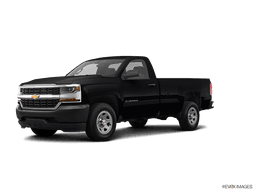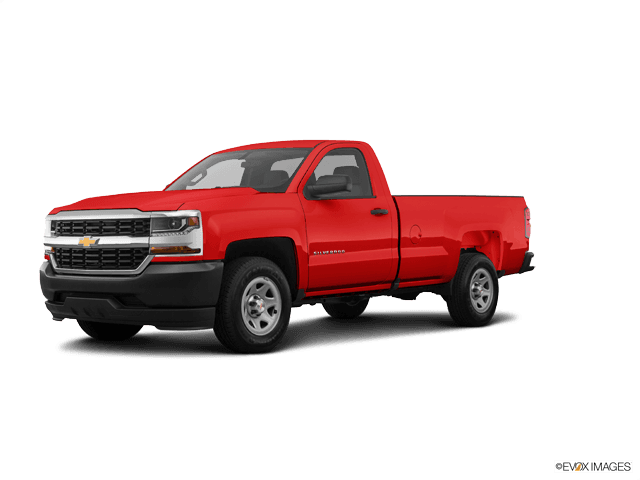














How to Replace the Starter Motor on a 2014-2018 Chevrolet Silverado 1500 (Engine: V6 4.3L)
Step-by-step instructions with tools, safety tips, torque specs, and testing guidance
How to Replace the Starter Motor on a 2014-2018 Chevrolet Silverado 1500 (Engine: V6 4.3L)
Step-by-step instructions with tools, safety tips, torque specs, and testing guidance for 2014, 2015, 2016, 2017, 2018


🔧 Starter Motor - Replacement
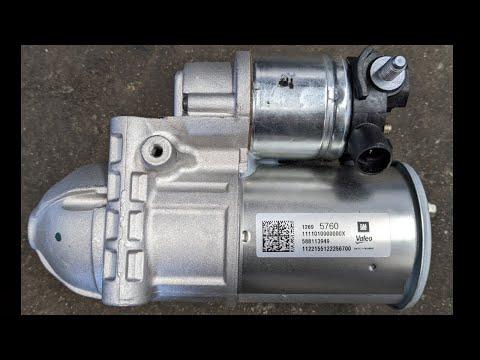
Your starter is the motor that cranks the engine when you turn the key. On your Silverado, the starter sits low on the engine near the transmission, so the job is mostly about safe access, battery disconnect, and swapping the unit cleanly.
Difficulty Level: Intermediate | Estimated Time: 1.5-3 hours
⚠️ Safety & Precautions
- Disconnect the negative battery cable before touching the starter. The starter cable is always hot and can arc badly.
- Let the engine cool down first. The exhaust and starter area can be very hot.
- Support the truck securely on jack stands if you need underneath access. Never rely on a jack alone.
- Keep the transmission in Park and set the parking brake before starting.
- A starter is heavy enough to drop out of position, so hold it with one hand while removing the last bolt.
🔧 Required Tools
You'll need the following tools for this repair:
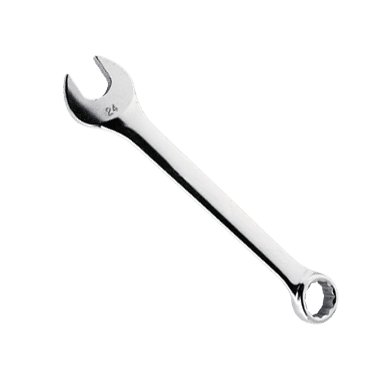
- 10mm wrench
- 13mm socket
- 15mm socket
- 3/8-inch ratchet
- 3/8-inch extension set
- 3/8-inch swivel socket
- Torque wrench
- Flat-blade screwdriver
- Floor jack
- Jack stands rated for truck weight
- Safety glasses
- Mechanic gloves
🔩 Required Parts
HowToo sells all the parts you need for this repair:
- Starter motor - Qty: 1
📋 Before You Begin
- Park on level ground.
- Set the parking brake.
- Put the transmission in Park.
- Disconnect the negative battery cable before starting.
- If the truck has been driven recently, wait for the exhaust to cool.
- Tip: Take a photo of the wiring before removal.
🔨 Step-by-Step Instructions
Follow these steps in order:
Step 1: Disconnect battery power
- Use a 10mm wrench to loosen and remove the negative battery cable from the battery.
- Move the cable aside so it cannot spring back and touch the terminal.
- Tip: Tuck the cable away for safety.
Step 2: Raise the truck if needed
- If access from below is tight, lift the front of the truck with a floor jack and support it with jack stands rated for truck weight.
- Make sure the truck is stable before going underneath.
Step 3: Locate the starter
- Find the starter low on the engine near the transmission bellhousing on the passenger side.
- Look for the large battery cable and the smaller trigger wire attached to it.
Step 4: Remove the electrical connections
- Use a 13mm socket or 15mm socket to remove the main battery cable nut from the starter.
- Use a flat-blade screwdriver or your fingers to unplug the smaller control wire connector, if equipped.
- Keep the wires clear so they do not get pinched later.
Step 5: Remove the starter mounting bolts
- Use a 15mm socket, 3/8-inch extension set, and 3/8-inch swivel socket to remove the starter bolts.
- Support the starter with one hand while removing the last bolt.
- Torque spec during installation: 50 Nm (37 ft-lbs)
Step 6: Remove the starter
- Carefully lower the starter out of the truck.
- Compare the old unit to the new one before installing it.
- Tip: Match the mounting holes and wire locations first.
Step 7: Install the new starter
- Position the new starter in place by hand.
- Install the mounting bolts finger-tight first using a 15mm socket.
- Tighten the bolts evenly with a torque wrench to 50 Nm (37 ft-lbs).
Step 8: Reconnect the wiring
- Reconnect the small trigger wire first, if equipped.
- Install the main battery cable nut with a 13mm socket or 15mm socket.
- Tighten the cable nut snugly, but do not overtighten.
Step 9: Restore power and test
- Reinstall the negative battery cable with a 10mm wrench.
- Start the engine and listen for smooth cranking.
- Check that the starter does not stay engaged after startup.
✅ After Repair
- Start the engine several times to confirm normal operation.
- Listen for grinding, slow cranking, or clicking.
- Check the starter area for loose wires or contact with hot/exposed parts.
- If the truck had a battery that was weak before, have it tested too.
💰 DIY vs Shop Cost
Shop Cost: $350-$650 (parts + labor)
DIY Cost: $120-$250 (parts only)
You Save: $200-$400 by doing it yourself!
Shop labor rates vary but typically run $100-$150/hour. This repair takes a shop approximately 1.5-3 hours.
🎯 Ready to get started?
HowToo makes it easy: same-day/2-day shipping on every part, plus all the tools and specialty tools you need! Check out the parts and tools sections below to add everything to your cart.