









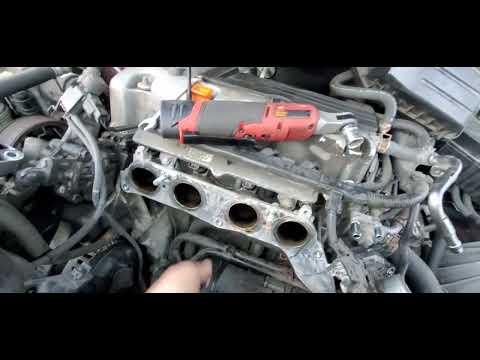







How to Replace the Starter Motor on a 2011 Honda Accord (Step-by-Step Guide)
Tools, parts list, safety tips, and torque specs for a smooth DIY starter replacement
How to Replace the Starter Motor on a 2011 Honda Accord (Step-by-Step Guide)
Tools, parts list, safety tips, and torque specs for a smooth DIY starter replacement


🔧 Accord - Starter Motor Replacement
Your Accord’s starter motor is what spins the engine so it can start. Replacing it involves disconnecting the battery, removing a few intake/battery-area parts for access, swapping the starter, and tightening all electrical connections correctly.
Difficulty Level: Intermediate | Estimated Time: 1.5-3.0 hours
⚠️ Safety & Precautions
- ⚠️ Disconnect the negative battery cable first to prevent electrical shorts.
- ⚠️ Let the engine cool before working near the exhaust/intake area.
- ⚠️ Never allow the starter’s main power cable to touch metal while the battery is connected.
- ⚠️ If you raise the car, support it with jack stands on solid ground (never rely on a jack alone).
🔧 Required Tools
You'll need the following tools for this repair:
- Safety glasses
- Mechanic gloves
- Wheel chocks
- Floor jack (rated 2-ton minimum)
- Jack stands (rated 2-ton minimum)
- 10mm socket
- 12mm socket
- 14mm socket
- 3/8" ratchet
- 3/8" torque wrench (10-80 ft-lbs range)
- 6" extension (3/8" drive)
- 12" extension (3/8" drive)
- Universal joint adapter (3/8" drive)
- Flathead screwdriver
- Needle-nose pliers
- Trim clip tool
- Flashlight
🔩 Required Parts
HowToo sells all the parts you need for this repair:
- Starter motor assembly - Qty: 1
- Battery terminal protectant - Qty: 1
- Dielectric grease - Qty: 1
📋 Before You Begin
- Park on level ground, shift to Park, and set the parking brake.
- Open the hood and keep the key fob away from the car while you work.
- Disconnect the battery: use a 10mm socket to remove the negative (–) terminal first, then the positive (+) if you remove the battery.
- Take a quick photo of wiring before removal.
🔨 Step-by-Step Instructions
Follow these steps in order:
Step 1: Disconnect the battery
- Use a 10mm socket to loosen and remove the negative (–) battery terminal and move it aside so it cannot spring back.
Step 2: Remove the air intake duct/air cleaner parts for access
- Use a flathead screwdriver to loosen the hose clamp(s) on the intake tube.
- Unclip/remove any intake snorkel clips with a trim clip tool.
- Lift the intake tube/air ducting out of the way (use a flashlight to spot hidden clips).
Step 3: Remove the battery (if needed for working room)
- Use a 10mm socket to remove the battery hold-down hardware.
- If you didn’t already: remove the positive (+) terminal with a 10mm socket.
- Lift the battery straight up and out. (Batteries are heavy—use good lifting posture.)
Step 4: Locate the starter motor
- Use a flashlight to find the starter near the transmission bellhousing on the front side of the engine (it’s a small motor with a thick power cable and a smaller plug).
Step 5: Disconnect the starter wiring
- Remove the small starter signal connector by pressing the tab and pulling it off (use needle-nose pliers gently if it’s tight).
- Remove the rubber boot covering the thick power cable’s nut.
- Use a 12mm socket to remove the nut holding the main power cable to the starter terminal.
- Do not twist the stud—hold the cable steady.
Step 6: Remove the starter mounting bolts
- Use a 14mm socket, 3/8" ratchet, and a 6" or 12" extension (add a universal joint adapter if needed) to remove the starter mounting bolts.
- Support the starter with your free hand as the last bolt comes out.
Step 7: Remove the old starter and compare parts
- Wiggle the starter out carefully (it may take a little turning to clear nearby hoses/wiring).
- Compare the new starter to the old one: same mounting ears, same electrical terminals, same connector position.
Step 8: Install the new starter
- Position the new starter into place by hand.
- Thread the starter mounting bolts in by hand first (to avoid cross-threading).
- Tighten the mounting bolts with a 14mm socket and torque wrench: Torque to 44 Nm (33 ft-lbs).
Step 9: Reconnect the starter wiring
- Install the main power cable onto the starter terminal and tighten with a 12mm socket: Torque to 9 Nm (80 in-lbs).
- Reinstall the rubber boot over the terminal.
- Plug the small signal connector back in until it clicks.
- Apply a thin dab of dielectric grease inside the small connector only (optional).
Step 10: Reinstall battery and intake parts
- Reinstall the battery and hold-down using a 10mm socket.
- Reconnect battery terminals: positive (+) first, then negative (–), using a 10mm socket.
- Tighten battery terminals securely: Torque to 5 Nm (44 in-lbs).
- Reinstall the intake ducting and tighten clamps with a flathead screwdriver.
✅ After Repair
- Start the engine and listen: the starter should crank smoothly with no grinding.
- Check that no warning lights appear and that the intake tube is fully seated (no whistling/hissing).
- Recheck the battery terminals for tightness and confirm the rubber boot fully covers the starter power terminal.
- If it clicks once, recheck cable tightness.
💰 DIY vs Shop Cost
Shop Cost: $450-$850 (parts + labor)
DIY Cost: $120-$350 (parts only)
You Save: $330-$500 by doing it yourself!
Shop labor rates vary but typically run $100-$150/hour. This repair takes a shop approximately 1.5-3.0 hours.
🎯 Ready to get started?
HowToo makes it easy: same-day/2-day shipping on every part, plus all the tools and specialty tools you need! Check out the parts and tools sections below to add everything to your cart.