









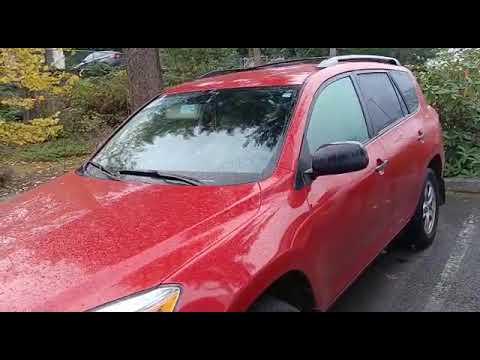







How to Replace the Starter Motor on a 2007 Toyota RAV4 (Step-by-Step Guide)
Tools, parts list, safety tips, wiring steps, and torque specs for a reliable starter install for 2006, 2007, 2008
How to Replace the Starter Motor on a 2007 Toyota RAV4 (Step-by-Step Guide)
Tools, parts list, safety tips, wiring steps, and torque specs for a reliable starter install for 2006, 2007, 2008


🔧 RAV4 - Starter Motor Replacement
The starter motor cranks your engine when you turn the key to START. If it’s failing, you may get a click/no-crank, slow cranking, or intermittent starting. This job is mostly access + removing two mounting bolts and the electrical connections.
Difficulty Level: Intermediate | Estimated Time: 1.5-3 hours
⚠️ Safety & Precautions
- ⚠️ Disconnect the battery negative cable first to prevent a short.
- ⚠️ Keep keys out of the ignition while working.
- ⚠️ If raising the vehicle, support it on jack stands on solid level ground.
- ⚠️ Don’t allow the starter power cable to touch metal parts.
🔧 Required Tools
You'll need the following tools for this repair:
- Safety glasses
- Mechanic gloves
- Floor jack (rated 2-ton minimum)
- Jack stands (rated 2-ton minimum)
- Wheel chocks
- 10mm socket
- 12mm socket
- 14mm socket
- 3/8" ratchet
- 3/8" torque wrench
- 3/8" extension set (3" and 6")
- 3/8" universal joint (swivel)
- 10mm wrench
- Needle-nose pliers
- Trim clip removal tool
- Flathead screwdriver
- Work light
🔩 Required Parts
HowToo sells all the parts you need for this repair:
- Starter motor - Qty: 1
- Starter electrical terminal nut (if damaged) - Qty: 1
- Dielectric grease (optional) - Qty: 1
📋 Before You Begin
- Park on level ground, shift to Park, and set the parking brake.
- Install wheel chocks behind the rear wheels.
- Open the hood and have a work light ready.
- Plan to disconnect the battery: use a 10mm wrench on the negative terminal.
🔨 Step-by-Step Instructions
Follow these steps in order:
Step 1: Disconnect the battery
- Use a 10mm wrench to loosen the negative (–) battery terminal clamp.
- Lift the cable off and tuck it aside so it can’t spring back to the post.
- Battery off first prevents accidental short circuits.
Step 2: Create access to the starter area (upper access)
- Use a flathead screwdriver to loosen the intake hose clamp(s).
- Use a trim clip removal tool to pop any plastic clips holding the air inlet duct/cover.
- Use a 10mm socket and 3/8" ratchet to remove air cleaner housing bolts (if equipped), then move the intake duct/air box out of the way.
Step 3: Raise and support the front (if you need lower access)
- Use a floor jack to lift the front at a safe jacking point.
- Place jack stands under solid support points and lower the vehicle onto them.
Step 4: Remove any lower splash shield (if equipped)
- Use a trim clip removal tool for plastic clips.
- Use a 10mm socket and 3/8" ratchet for bolts.
Step 5: Disconnect the starter wiring
- Locate the starter on the transaxle bellhousing area.
- Unclip the small control-wire connector: use needle-nose pliers only if your fingers can’t press the lock tab.
- Remove the rubber boot over the main power terminal.
- Use a 12mm socket and 3/8" ratchet to remove the nut holding the main battery cable to the starter.
- Move the cable aside so it can’t touch metal.
- A “universal joint (swivel)” helps reach tight angles.
Step 6: Remove the starter mounting bolts
- Use a 14mm socket, 3/8" ratchet, and 3/8" extensions (and universal joint (swivel) if needed) to remove the two starter mounting bolts.
- Support the starter with one hand as the last bolt comes out.
Step 7: Remove the starter from the vehicle
- Wiggle the starter free from the bellhousing.
- Guide it out through the best path (top or bottom) using your work light to avoid snagging wires.
Step 8: Install the new starter
- Position the new starter in place by hand (no tools yet).
- Start both mounting bolts by hand to avoid cross-threading.
- Use a 14mm socket and 3/8" ratchet to snug them down evenly.
- Use a 3/8" torque wrench and 14mm socket: Torque to 39 Nm (29 ft-lbs).
Step 9: Reconnect the starter wiring
- Install the main battery cable onto the starter terminal.
- Use a 12mm socket and 3/8" torque wrench: Torque to 9 Nm (80 in-lbs).
- Reinstall the rubber boot over the terminal.
- Plug in the small control-wire connector until it clicks.
- If using it, apply a tiny amount of dielectric grease by hand to the connector seal only.
Step 10: Reinstall intake parts and/or splash shield
- Reinstall the splash shield using a 10mm socket, 3/8" ratchet, and trim clip removal tool for clips.
- Lower the vehicle safely using the floor jack and remove the jack stands.
- Reinstall the air box/ducting using a 10mm socket and tighten clamps with a flathead screwdriver.
Step 11: Reconnect the battery
- Install the negative battery cable on the terminal.
- Use a 10mm wrench to tighten the clamp snug (do not overtighten).
✅ After Repair
- Start the engine and confirm it cranks strongly with no clicking.
- Check that no warning lights appear and that the engine bay intake ducting is fully seated (no hissing/air leaks).
- Recheck the starter power cable boot is covering the terminal completely.
- Take a short drive, then do a quick recheck for any loose clamps or rattles.
💰 DIY vs Shop Cost
Shop Cost: $450-$850 (parts + labor)
DIY Cost: $120-$350 (parts only)
You Save: $300-$500 by doing it yourself!
Shop labor rates vary but typically run $100-$150/hour. This repair takes a shop approximately 1.5-3 hours.
🎯 Ready to get started?
HowToo makes it easy: same-day/2-day shipping on every part, plus all the tools and specialty tools you need! Check out the parts and tools sections below to add everything to your cart.