









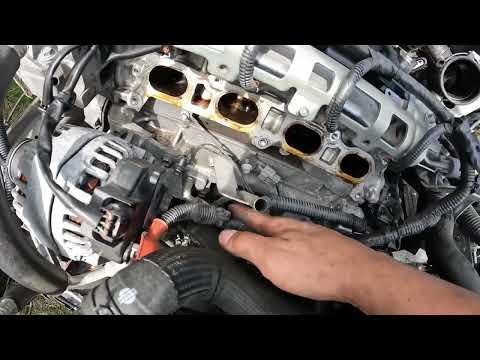





How to Replace the Starter Motor on a 2007-2019 Nissan Sentra (Engine: Inline 4 1.8L)
Step-by-step removal and installation with tools, parts, torque specs, and safety tips
How to Replace the Starter Motor on a 2007-2019 Nissan Sentra (Engine: Inline 4 1.8L)
Step-by-step removal and installation with tools, parts, torque specs, and safety tips for 2007, 2008, 2009, 2010, 2011, 2012


🔧 Starter Motor - Replacement
The starter on your Sentra is mounted to the transaxle bellhousing and is replaced from the top and/or bottom of the engine bay. This job is mostly about safe battery disconnection, gaining access, and removing the electrical connections and mounting bolts without damaging the wiring.
Difficulty Level: Intermediate | Estimated Time: 2-4 hours
⚠️ Safety & Precautions
- Disconnect the negative battery terminal before starting. The starter cable is always hot with battery power.
- Keep metal tools away from the starter main cable and battery positive terminal.
- Use jack stands if you raise the vehicle. Never rely on a jack alone.
- Let the exhaust cool before working underneath. The starter area can be close to hot components.
- If the battery is weak or old, test it first. A bad battery can mimic a bad starter.
🔧 Required Tools
You'll need the following tools for this repair:
- 10mm socket
- 12mm socket
- 14mm socket
- Ratchet
- 3/8-inch extension set
- Swivel socket adapter
- Torque wrench
- Flat-blade screwdriver
- Pliers
- Floor jack (rated 3-ton minimum)
- Jack stands
- Wheel chocks
- Safety glasses
- Nitrile gloves
🔩 Required Parts
HowToo sells all the parts you need for this repair:
- Starter motor - Qty: 1
- Starter mounting bolts - Qty: 2
- Battery terminal cleaner - Qty: 1
📋 Before You Begin
- Park on level ground and set the parking brake.
- Shift to Park and chock the rear wheels.
- Disconnect the negative battery cable first, then the positive if needed.
- Wait at least 2 minutes after key-off before touching electrical connectors.
- Use a memory saver only if you know it is safe for the vehicle’s electronics.
🔨 Step-by-Step Instructions
Follow these steps in order:
Step 1: Disconnect the battery
- Use a 10mm socket to remove the negative battery terminal.
- Move the cable aside so it cannot spring back and touch the post.
- Disconnect negative first.
Step 2: Raise the vehicle if needed
- If access from below is tight, raise the front with a floor jack (rated 3-ton minimum).
- Support the vehicle with jack stands and keep the rear wheels chocked.
Step 3: Locate the starter
- Find the starter on the transmission bellhousing area.
- Look for the cylindrical motor with a small trigger wire and a large battery cable.
Step 4: Remove the starter wiring
- Use a 10mm socket or 12mm socket to remove the main battery cable nut.
- Remove the small trigger-wire connector with a flat-blade screwdriver if a lock tab is used.
- Cover the cable ends so they cannot short to metal.
- Do not let the main cable touch ground.
Step 5: Remove the starter bolts
- Use a 14mm socket, ratchet, and extension set to remove the starter mounting bolts.
- If space is tight, use a swivel socket adapter for better angle access.
- Support the starter with one hand as you remove the last bolt.
- Torque on installation: 44 Nm (33 ft-lbs)
Step 6: Remove the starter
- Lower the starter out of the engine bay carefully.
- If it sticks, gently wiggle it free without prying on the bellhousing.
Step 7: Install the new starter
- Position the new starter in place by hand.
- Start both mounting bolts by hand before tightening.
- Use the 14mm socket and torque wrench to tighten the bolts to 44 Nm (33 ft-lbs).
Step 8: Reconnect the wiring
- Install the main battery cable and tighten the nut with a 10mm socket or 12mm socket.
- Tighten the terminal nut to 7.8 Nm (69 in-lbs).
- Reconnect the trigger-wire connector until it clicks in place.
- Check for a solid click.
Step 9: Reassemble and lower the vehicle
- Remove tools from under the vehicle.
- Lower the car off the jack stands if used.
- Reconnect the negative battery cable with a 10mm socket.
- Tighten the battery terminal snugly, not overly tight.
Step 10: Test the repair
- Start the engine and listen for a clean crank.
- Check that no warning lights appear from disconnected wiring.
- If it only clicks or cranks slowly, recheck battery condition and cable connections.
✅ After Repair
- Confirm the engine starts consistently at least 3 times.
- Check the starter area for loose wires or rubbing harnesses.
- If the old starter failed from heat damage or oil leaks, inspect for the source of the problem.
💰 DIY vs Shop Cost
Shop Cost: $450-$850 (parts + labor)
DIY Cost: $120-$300 (parts only)
You Save: $330-$550 by doing it yourself!
Shop labor rates vary but typically run $100-$150/hour. This repair takes a shop approximately 2-4 hours.
🎯 Ready to get started?
HowToo makes it easy: same-day/2-day shipping on every part, plus all the tools and specialty tools you need! Check out the parts and tools sections below to add everything to your cart.