









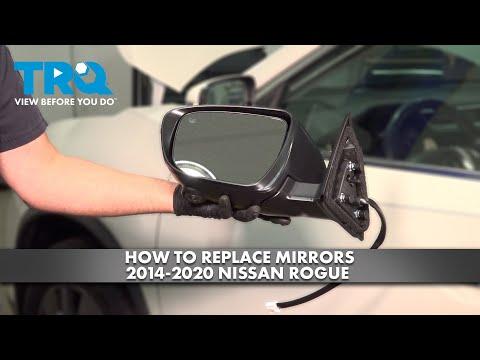





How to Replace the Side View Mirror on a 2017 Nissan Rogue
Step-by-step DIY mirror replacement with tools, parts list, torque specs, safety tips, and cost-saving advice
How to Replace the Side View Mirror on a 2017 Nissan Rogue
Step-by-step DIY mirror replacement with tools, parts list, torque specs, safety tips, and cost-saving advice


🔧 Rogue - Side View Mirror Replacement
You’ll be removing the interior trim at the corner of the door, unplugging the mirror wiring, and unbolting the old mirror from the door. Then you’ll install the new mirror, reconnect the wiring, and refit the trim.
Difficulty Level: Beginner | Estimated Time: 1–1.5 hours per side
⚠️ Safety & Precautions
- ⚠️ Park the Rogue on level ground, shift to Park, and set the parking brake.
- ⚠️ Turn the ignition OFF and remove the key (or switch off and open driver door on push-button start models).
- ⚠️ Disconnect the 12V battery negative (–) cable; this helps avoid accidental window or airbag activation while working near door wiring.
- ⚠️ Support the mirror with one hand as you remove the last nut so it doesn’t fall and chip the paint.
- ⚠️ Work gently around plastic trim to avoid breaking clips; never force a panel.
🔧 Required Tools
You'll need the following tools for this repair:
- 🔹10mm socket
- 🔹1/4" drive ratchet
- 🔹1/4" drive extension (3–6")
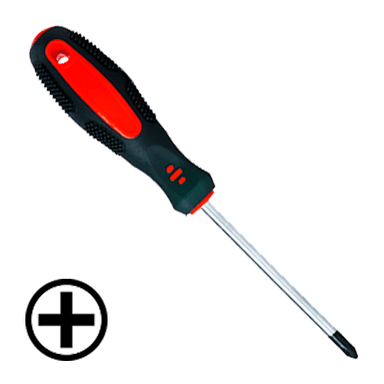
- 🔹Phillips #2 screwdriver
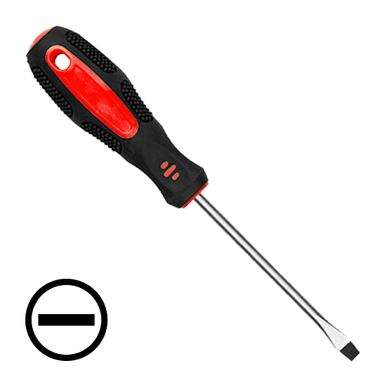
- 🔹Flathead screwdriver (small)
- 🔹Plastic trim removal tool set
- 🔹Needle-nose pliers
- 🔹Torque wrench (inch‑pound or low‑range Nm)
- 🔹Electrical tape
- 🔹Shop light or flashlight
- 🔹Mechanic’s gloves
- 🔹Safety glasses
🔩 Required Parts
HowToo sells all the parts you need for this repair:
- 🔹Side view mirror assembly, left (power, heated, with turn signal, Rogue SV Hybrid) - Qty: 1 (if replacing driver side)
- 🔹Side view mirror assembly, right (power, heated, with turn signal, Rogue SV Hybrid) - Qty: 1 (if replacing passenger side)
- 🔹Mirror mounting nuts (10mm, flanged) - Qty: 3 per mirror (optional but recommended)
- 🔹Corner sail panel clips - Qty: 2–3 per side (optional, in case originals break)
- 🔹Door panel push clips - Qty: 4–6 (only needed if door trim removal is required or clips break)
- 🔹Butyl or foam sealing tape - Qty: enough to reseal vapor barrier if disturbed
📋 Before You Begin
- Park the Rogue on level ground with enough room to open the door fully on the side you’re working on.
- Lower the window on that door; it makes handling the inner trim easier.
- Open the hood and disconnect the 12V battery negative (–) terminal using the 10mm socket.
- Decide if you are replacing:
- Driver side, passenger side, or both.
- On this Rogue, the mirror electrical connector is behind the interior “sail” trim at the front upper corner of the door. You do not need to remove the full door panel unless the harness has been modified or clipped differently.
🔨 Step-by-Step Instructions
Follow these steps in order:
Step 1: Prepare the work area
- Open the door fully on the side you’re working on.
- Put on your safety glasses and mechanic’s gloves.
- Position a shop light or flashlight so you can clearly see the mirror area and inner corner trim.
Step 2: Remove the interior sail panel (mirror trim)
- The “sail panel” is the small triangular plastic trim inside the door at the front upper corner, opposite the mirror.
- Use a plastic trim removal tool to gently pry between the panel and the door frame starting at the top edge.
- Work around the edges with the trim removal tool to release the plastic clips; you’ll feel them pop free.
- If there is a small tweeter speaker in this panel:
- Carefully pull the panel outward enough to access the small speaker connector.
- Press the release tab and unplug it by hand or with needle-nose pliers if needed.
- Set the sail panel aside where it won’t get stepped on.
Step 3: Locate and disconnect the mirror connector
- Look through the opening where the sail panel was removed; you’ll see a wiring connector coming from the mirror into the door.
- Use the flashlight to find the main mirror connector (rectangular plug, usually clipped to the metal).
- Press the small plastic locking tab on the connector with your fingers or a small flathead screwdriver and pull the plug apart.
- If the connector is clipped to the door:
- Use the trim removal tool or needle-nose pliers to gently release the clip so the connector can move freely.
- If your mirror has blind-spot or extra features, there may be more than one connector; unplug all that go to the mirror housing.
Step 4: Remove the old mirror mounting nuts
- From inside the door, you’ll see 3 mirror mounting studs with nuts (10mm) holding the mirror to the door.
- Support the mirror from the outside with one hand so it doesn’t drop when the nuts are removed.
- Use a 10mm socket, 1/4" ratchet, and extension to remove the 3 nuts.
- Place the nuts in a small tray so they don’t get lost.
Step 5: Remove the old mirror from the door
- With the nuts removed, gently pull the mirror outward from the door from the outside.
- Guide the wiring harness and connector out through the hole in the door carefully so you don’t damage the insulation.
- Remove the mirror assembly completely and set it on a soft surface to avoid scratching it or the paint.
Step 6: Prepare the new mirror
- Compare the new mirror to the old one:
- Check mounting points (3 studs in the same places).
- Check the number and shape of electrical connectors.
- Verify turn signal, heating, and any blind-spot indicator are present if fitted on your Rogue.
- If there are any foam gaskets or seals on the old mirror, make sure the new mirror has them. If not, transfer or replace them to prevent water leaks.
Step 7: Install the new mirror and hand-tighten nuts
- Feed the new mirror’s wiring harness and connectors through the opening in the door, following the same path as the old one.
- Align the 3 mirror studs with the holes in the door and seat the mirror flush against the outside of the door.
- Hold the mirror in place with one hand from the outside.
- From inside the door, start threading the 3 mounting nuts onto the studs by hand.
- Snug the nuts lightly with the 10mm socket and ratchet, but don’t fully tighten yet.
Step 8: Torque the mirror mounting nuts
- Set your torque wrench to 7 Nm (62 in-lbs, about 5 ft-lbs).
- Using the 10mm socket and extension on the torque wrench, tighten the 3 mirror nuts evenly.
- Do not over-tighten; you can crack the plastic base or deform the door metal. Stop as soon as wrench clicks.
Step 9: Reconnect the mirror wiring
- Plug the mirror connector(s) back into the mating plug(s) in the door until you hear or feel a click.
- If there is a clip that holds the connector to the door, push it back into its slot so the wiring is secure and doesn’t rattle.
- If any harness section looks loose, you can wrap a bit of electrical tape to bundle it neatly (do not wrap over connector latches).
Step 10: Reinstall the interior sail panel
- If your sail panel has a tweeter speaker:
- Reconnect the small speaker connector by pushing the plug in until it clicks.
- Align the sail panel with the door:
- Hook any top tabs first, then line up the plastic clips with their holes.
- Press the panel firmly with your hand around each clip point until you hear a click.
- If any clip is broken and the panel feels loose, replace the clip with a new one from your clip kit.
Step 11: Reconnect the battery
- Under the hood, reconnect the 12V battery negative (–) cable using the 10mm socket.
- Tighten the battery clamp to about 5–7 Nm (45–62 in-lbs); firm, but not excessive.
Step 12: Test the new mirror
- Switch the ignition ON (engine can remain off).
- Use the mirror adjustment switch and verify:
- Left/right and up/down movement works smoothly.
- Turn signal on the mirror (if equipped) flashes correctly.
- Heated function works (the mirror should slowly clear fog when rear defrost is on).
- Blind-spot indicator (if equipped) lights up during start-up self-test.
- Check from outside that the mirror sits flush and stable; no gaps between the base and the door.
✅ After Repair
- 🚗 Take a short drive and verify the mirror stays stable at speed; no vibration or wind noise from the mirror area.
- 🔌 If any mirror function (adjustment, heating, turn signal) does not work, recheck the connectors behind the sail panel for secure fit.
- 🧼 Wipe fingerprints off the painted cap and glass with a clean microfiber cloth.
- 📐 Sit in your normal driving position and adjust the mirror for best visibility and minimal blind spot.
💰 DIY vs Shop Cost
Shop Cost: $350–$650 per mirror (parts + labor)
DIY Cost: $120–$300 per mirror (parts only, depending on options like heat, turn signal, blind-spot)
You Save: About $230–$350 per mirror by doing it yourself!
Shop labor rates vary but typically run $100–$150/hour. This repair takes a shop approximately 0.8–1.0 hours per side.
🎯 Ready to get started?
HowToo makes it easy: same-day/2-day shipping on every part, plus all the tools and specialty tools you need! Check out the parts and tools sections above to add everything to your cart.