









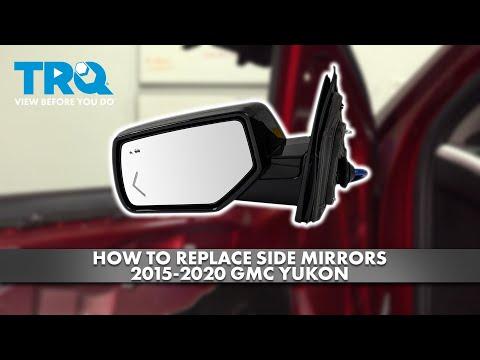





How to Replace the Side View Mirror on a 2016 GMC Yukon (Power/Heated Mirrors)
Step-by-step door panel removal, wiring disconnect, tools/parts list, and mirror torque specs
How to Replace the Side View Mirror on a 2016 GMC Yukon (Power/Heated Mirrors)
Step-by-step door panel removal, wiring disconnect, tools/parts list, and mirror torque specs


🔧 Yukon - Side View Mirror Replacement
Replacing the side mirror on your Yukon means removing the interior door trim, unplugging the mirror wiring, unbolting the mirror, then installing the new one and testing all functions. This is very doable at home, but you’ll work near door airbag wiring and delicate trim clips, so go slow.
Difficulty Level: Intermediate | Estimated Time: 1.0-2.0 hours (first-timer)
Assumption: Your mirror is power/heat/turn-signal equipped; steps cover common options.
⚠️ Safety & Precautions
- ⚠️ Disconnect the negative battery cable before door electrical work to reduce airbag/short risk.
- ⚠️ Do not probe yellow connectors; yellow wiring/connectors are typically airbag related.
- ⚠️ Support the mirror when removing the last nut so it doesn’t fall and chip paint.
- ⚠️ Work on level ground with the vehicle in Park and the parking brake set.
- ⚠️ Wear eye protection; trim clips can pop loose suddenly.
🔧 Required Tools
You'll need the following tools for this repair:
- 10mm socket
- 1/4" drive ratchet
- 6" extension (1/4" drive)
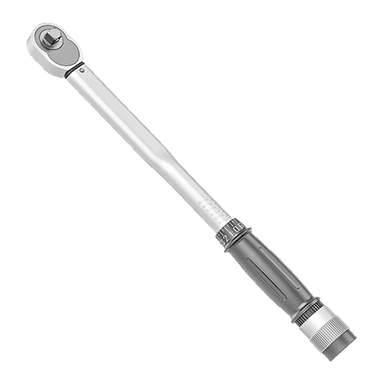
- Torque wrench (in-lb or low-range ft-lb)
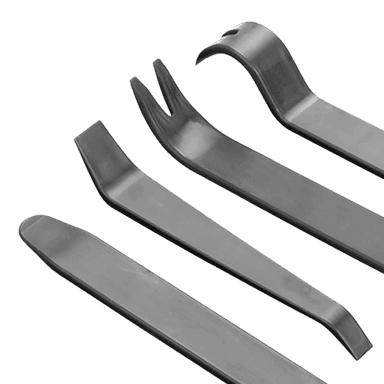
- Trim removal tool set (plastic)
- Small flat trim pick
- Phillips screwdriver #2
- Torx T15 driver
- Torx T30 driver
- Needle-nose pliers
- Painters tape (1")
- Shop light
- Fender cover
- Safety glasses
- Mechanic gloves
🔩 Required Parts
HowToo sells all the parts you need for this repair:
- Side view mirror assembly (correct side, painted or textured as needed) - Qty: 1
- Mirror mounting gasket/seal (if not included with mirror) - Qty: 1
- Door trim panel clips (optional, extras) - Qty: 5-10
- Butyl tape or foam seal strip (optional, for water sealing) - Qty: 1
📋 Before You Begin
- Park on level ground, set the parking brake, and lower the window on the door you’re working on.
- Apply painters tape (1") along the door edge near the mirror to protect paint.
- Disconnect battery: use a 10mm socket to remove the negative battery cable and isolate it so it can’t spring back.
- Have a small container ready for screws/clips so nothing gets lost.
🔨 Step-by-Step Instructions
Follow these steps in order:
Step 1: Remove the interior sail panel (mirror trim)
- Use a plastic trim removal tool to pry off the small triangular trim panel at the top-front of the door (inside, by the mirror).
- Work from the top edge and pop the clips free. Pull straight out to avoid breaking clips.
Step 2: Remove door handle/armrest fasteners
- Use a small flat trim pick to lift the covers hiding screws in the door pull/handle area.
- Remove screws using the correct driver you find (commonly Torx T15 and/or Phillips #2).
- If equipped, remove any additional lower/edge screws with a Torx T30 driver.
Step 3: Release the door panel clips
- Slide a plastic trim removal tool along the bottom/side edges of the door panel to find the push-clips.
- Pry each clip out one at a time until the panel feels loose.
Step 4: Lift the door panel off and disconnect wiring
- Lift the door panel straight up to unhook it from the window channel.
- Support the panel and disconnect electrical connectors (window switch, courtesy light, etc.). Use a small flat trim pick only on the connector lock tabs.
- If there’s a mechanical door-handle cable, unclip it carefully. (A cable is a small wire-in-a-sleeve that pulls the latch.)
Step 5: Peel back the water shield (vapor barrier)
- Near the mirror area, gently peel the plastic water shield back just enough to access the mirror bolts.
- If the sticky seal (butyl) strings, use needle-nose pliers to pull it back into place later.
Step 6: Disconnect the mirror electrical connector
- Find the mirror connector near the upper-front of the door and unplug it by releasing the lock tab with a small flat trim pick.
- Do not yank wires—pull on the connector body.
Step 7: Remove the mirror mounting nuts
- Place one hand on the outside mirror to support it.
- Use a 10mm socket, 1/4" ratchet, and 6" extension to remove the mirror nuts (typically 3 nuts).
- Remove the mirror from the outside of the door and guide the wiring through the hole.
Step 8: Prepare and install the new mirror
- Compare the old and new mirror connectors and options (power fold, heat, turn signal, memory) before installing.
- Install/position the mirror mounting gasket/seal. If it doesn’t stick well, use butyl tape or foam seal strip to prevent water leaks and wind noise.
- Feed the mirror wiring through the door opening and set the mirror onto the studs.
- Start all nuts by hand to avoid cross-threading, then snug them with a 10mm socket.
- Final tighten using a torque wrench: Torque to 10 Nm (89 in-lb / 7 ft-lb).
Step 9: Reconnect wiring and re-seal the water shield
- Reconnect the mirror connector until it clicks.
- Press the water shield back into the sticky seal all the way around. Add butyl tape if the seal is damaged.
Step 10: Reinstall the door panel
- Reconnect all door panel connectors and the door-handle cable (if equipped).
- Hang the door panel on the top window channel first, then press the panel inward to engage the clips.
- Reinstall all screws using Torx T15/Torx T30 and/or Phillips #2 as removed, then snap the screw covers back on.
- Reinstall the sail panel by pressing it straight in until the clips seat.
Step 11: Reconnect the battery and function test
- Reconnect the negative battery cable using a 10mm socket and tighten securely.
- Test mirror functions: adjust, heat (if equipped), turn signal indicator (if equipped), power fold (if equipped), and memory/tilt-in-reverse (if equipped).
✅ After Repair
- Verify the mirror sits flush against the door and the gasket is not pinched.
- Check for wind noise on a short drive and recheck mirror nut tightness if needed.
- Confirm the window and door lock switches work normally.
- If you see a warning light after reconnecting the battery, scan for codes (some faults can set if connectors were disturbed).
💰 DIY vs Shop Cost
Shop Cost: $350-$950 (parts + labor, varies a lot with options/painted mirror)
DIY Cost: $150-$650 (parts only)
You Save: $200-$300+ by doing it yourself!
Shop labor rates vary but typically run $100-$150/hour. This repair takes a shop approximately 1.0-1.5 hours.
🎯 Ready to get started?
HowToo makes it easy: same-day/2-day shipping on every part, plus all the tools and specialty tools you need! Check out the parts and tools sections below to add everything to your cart.