













How to Replace the Side View Mirror on a 2014 Toyota Camry (Driver or Passenger)
Step-by-step door panel removal, wiring disconnect, tools/parts list, and 7.5 Nm (66 in-lbs) torque spec
How to Replace the Side View Mirror on a 2014 Toyota Camry (Driver or Passenger)
Step-by-step door panel removal, wiring disconnect, tools/parts list, and 7.5 Nm (66 in-lbs) torque spec


🔧 Camry - Side View Mirror Replacement
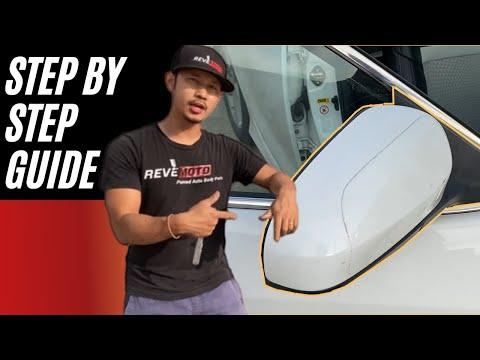
Replacing a side view mirror means removing the inner door trim, unplugging the mirror wiring, unbolting the mirror, and installing the new one. On your Camry, the mirror is held on by small nuts behind the interior “sail panel” (the triangular trim by the mirror).
Difficulty Level: Intermediate | Estimated Time: 1.0-2.0 hours (one side)
⚠️ Safety & Precautions
- ⚠️ Work with the car OFF and the key fob at least 10 ft away.
- ⚠️ The door may contain a side airbag; do not probe yellow connectors or tug hard on the wiring.
- ⚠️ Support the mirror with your hand when removing the last nut so it doesn’t fall and chip paint.
- ⚠️ Battery disconnect is recommended if you’ll be unplugging connectors inside the door: disconnect the 12V negative terminal first.
🔧 Required Tools
You'll need the following tools for this repair:
- Safety glasses
- Mechanic gloves
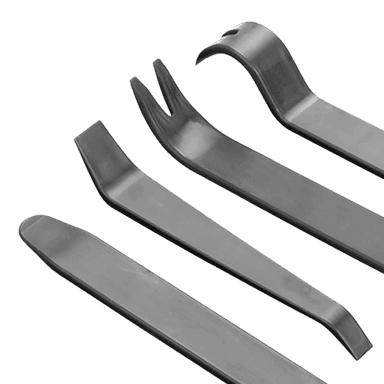
- Trim removal tool set
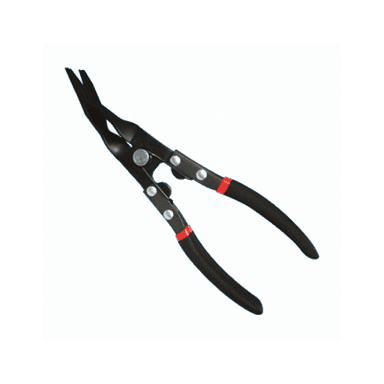
- Door panel clip pliers
- Phillips screwdriver
- Flat-blade screwdriver
- 10mm socket
- 1/4" drive ratchet
- 6" extension (1/4" drive)
- Torque wrench (inch-pound or low-range Nm)
- Magnetic pickup tool
- Plastic pry pick
🔩 Required Parts
HowToo sells all the parts you need for this repair:
- Side view mirror assembly (left/driver or right/passenger) - Qty: 1
- Door trim panel clips - Qty: 4-10
- Butyl tape (door vapor barrier reseal) - Qty: 1
📋 Before You Begin
- Park on level ground, shift to Park, and set the parking brake.
- Lower the window on the side you’re working on (makes handling the door panel easier).
- If disconnecting 12V power: open the trunk and disconnect the negative terminal of the 12V battery using a 10mm socket. Wait 90 seconds before unplugging door connectors.
- Lay a towel on the door sill to protect paint.
🔨 Step-by-Step Instructions
Follow these steps in order:
Step 1: Remove the inner sail panel
- Use a trim removal tool set to pry off the triangular plastic trim at the top front of the door (by the mirror).
- Pull straight outward to release the clips.
Step 2: Remove the door handle trim and switch panel
- Use a plastic pry pick to lift the window switch panel (armrest switch plate).
- Unplug the switch connectors by pressing the tab and pulling straight out (no yanking on wires).
- Behind/near the inside door handle, use a trim removal tool set to pop off the small cover trim.
Step 3: Remove door panel fasteners
- Remove visible screws using a Phillips screwdriver (commonly one near the inside handle area and one in/near the armrest pocket).
- If your panel uses a bolt instead of a screw in the pull handle area, remove it with a 10mm socket and 1/4" drive ratchet.
Step 4: Pop the door panel free
- Use door panel clip pliers or a trim removal tool set to release the clips around the perimeter of the panel.
- Lift the door panel upward to unhook it from the window ledge.
- Support the panel and unplug any remaining connectors.
Step 5: Peel back the vapor barrier (water shield)
- Carefully peel the plastic vapor barrier back only as much as needed to reach the mirror area.
- If the sticky sealer stretches or won’t reseal well, use butyl tape during reassembly.
Step 6: Disconnect the mirror wiring
- Find the mirror connector near the top front of the door and unplug it.
- If equipped with extra features (heated mirror / turn signal / blind spot monitor), unplug all mirror-related connectors you see in that same area.
- Connector tab stuck? Press tab, then wiggle—don’t pull wires.
Step 7: Remove the mirror mounting nuts
- Hold the mirror housing from the outside with one hand.
- Use a 10mm socket, 6" extension, and 1/4" drive ratchet to remove the mirror mounting nuts (typically 3 nuts).
- Use a magnetic pickup tool to prevent dropping nuts inside the door.
Step 8: Remove the old mirror
- Feed the wiring and grommet through the door opening and lift the mirror off the door.
- Clean the mounting surface so the new mirror sits flat.
Step 9: Install the new mirror
- Route the new mirror wiring through the opening and seat the mirror on the door.
- Start all nuts by hand first (prevents cross-threading).
- Tighten the nuts evenly using a 10mm socket.
- Torque to 7.5 Nm (66 in-lbs) on the mirror mounting nuts.
Step 10: Reconnect wiring and reassemble the door
- Plug in the mirror connector(s) until they click.
- Re-stick the vapor barrier; add butyl tape if it won’t seal fully.
- Hang the door panel on the top window ledge and press it down into place.
- Press all perimeter clips in firmly by hand.
- Reinstall screws/bolts using a Phillips screwdriver or 10mm socket as removed.
- Reconnect the window switch connectors and snap the switch panel back in using a trim removal tool set.
- Reinstall the sail panel by aligning clips and pressing straight in.
✅ After Repair
- If you disconnected the 12V battery, reconnect it using a 10mm socket and snug the terminal.
- Turn the car ON and test mirror functions: power adjust, folding (if equipped), heat (if equipped), and turn signal in mirror (if equipped).
- Confirm the window auto-up/down works; if not, re-initialize by holding the switch down fully, then up fully for a few seconds.
- Check the mirror for looseness and check for wind noise on a short drive.
💰 DIY vs Shop Cost
Shop Cost: $250-$650 (parts + labor)
DIY Cost: $90-$450 (parts only)
You Save: $160-$200+ by doing it yourself!
Shop labor rates vary but typically run $100-$150/hour. This repair takes a shop approximately 1.0-1.5 hours.
🎯 Ready to get started?
HowToo makes it easy: same-day/2-day shipping on every part, plus all the tools and specialty tools you need! Check out the parts and tools sections below to add everything to your cart.
Assumption: You’re replacing the complete mirror assembly; painted caps may require paint-matching.