









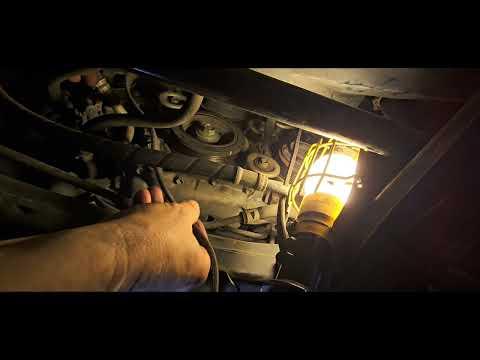






How to Replace the Serpentine Belt on a 2021 Toyota Tacoma 3.5L V6
Step-by-step DIY Tacoma belt replacement with tools, parts list, safety tips, and cost savings for 2016, 2017, 2018, 2019, 2020, 2021, 2022, 2023
How to Replace the Serpentine Belt on a 2021 Toyota Tacoma 3.5L V6
Step-by-step DIY Tacoma belt replacement with tools, parts list, safety tips, and cost savings for 2016, 2017, 2018, 2019, 2020, 2021, 2022, 2023


🔧 Tacoma - Serpentine Belt Replacement
You’ll be removing the old serpentine belt from the front of the engine and installing a new one on your Tacoma. The belt drives the alternator, power steering, A/C compressor, and water pump, so replacing it prevents breakdowns and squealing noises.
Difficulty Level: Beginner | Estimated Time: 1-1.5 hours
⚠️ Safety & Precautions
- 🛑 Always work with the engine off, key removed from the ignition, and the truck in gear with the parking brake set.
- 🧊 Let the engine cool fully; you’ll work near the radiator and hot metal parts.
- 🧤 Keep fingers, hair, and clothing away from pulleys and fan blades; never test the belt with the engine running while your hands are in the engine bay.
- 🔋 Battery disconnect is not required, but you can remove the negative terminal for extra safety if you like.
- 📸 Take a clear photo of the belt routing before removal; it’s easy to mis-route the new belt.
🔧 Required Tools
You'll need the following tools for this repair:
- 🧰 3/8" drive ratchet
- 🧰 3/8" drive breaker bar (18"+ length)
- 🧰 14mm socket
- 🧰 10mm socket
- 🧰 Socket extension 6"
- 🧰 Serpentine belt tool kit (thin low-profile) (specialty)
- 🧰 Trim clip removal tool (specialty)
- 🧰 Flathead screwdriver (medium)
- 🧰 Work light or headlamp
- 🧰 Mechanic’s gloves
- 🧰 Safety glasses
🔩 Required Parts
HowToo sells all the parts you need for this repair:
- 🔩 Serpentine drive belt (3.5L V6, with A/C) - Qty: 1
- 🔩 Belt routing decal (optional) - Qty: 1
- 🔩 Dielectric grease (small tube, optional) - Qty: 1
- 🔩 Replacement plastic clips for upper radiator cover (optional) - Qty: 6-10
📋 Before You Begin
- Park your Tacoma on level ground, set the parking brake, put the transmission in 1st gear, and switch the ignition off.
- Open the hood and secure it with the hood prop rod.
- Use your phone to take multiple photos of the belt routing from different angles. Photos save lots of frustration.
- If you prefer, disconnect the battery negative terminal using a 10mm socket so there’s no chance of the engine cranking.
🔨 Step-by-Step Instructions
Follow these steps in order:
Step 1: Remove upper plastic covers for access
- Use the trim clip removal tool to gently pry up the plastic clips holding the radiator/hood latch cover at the front of the engine bay.
- If any clips are stubborn, use a flathead screwdriver to help lift the center pin first, then remove the clip body.
- Lift off the plastic cover and set it aside. This gives better access and visibility to the front of the engine and belt.
- Torque specs: N/A for plastic clips.
Step 2: Identify the belt path and components
- Shine your work light down the front of the engine.
- On your Tacoma’s V6, the belt wraps around:
- Crankshaft pulley (largest pulley at the bottom center)
- Alternator (upper left area)
- Power steering pump (upper area toward driver side)
- A/C compressor (lower area toward passenger side)
- Water pump (center area)
- Idler pulley (smooth pulley)
- Belt tensioner pulley (spring-loaded pulley, usually with a 14mm bolt in the center)
- Compare this with your photos so you’re confident where the belt runs on grooved pulleys (ribbed side of belt) and smooth pulleys (back side of belt).
- Torque specs: N/A for this step.
Step 3: Locate the belt tensioner
- Use the work light and look down from the top, slightly toward the passenger side at the front of the engine.
- The belt tensioner is a spring-loaded arm with a small pulley on the end and a 14mm bolt in the pulley center.
- Memorize or photograph the tensioner location because you’ll reach it with a tool from above.
- Torque specs: N/A, you are not removing the tensioner.
Step 4: Relieve tension on the belt
- Fit the 14mm socket onto your serpentine belt tool or a slim 3/8" breaker bar.
- From the top, carefully slide the socket onto the tensioner pulley bolt. This can be tight; use the socket extension 6" if needed.
- On this engine, rotate the tensioner clockwise (toward the passenger side) using the breaker bar to relieve belt tension. It will feel springy.
- Keep steady pressure; do not let the tool slip. Two hands on the bar for control.
- Torque specs: N/A, only rotating the tensioner.
Step 5: Slip the belt off one pulley
- With the tensioner held in the released position using the breaker bar, use your free hand to slide the belt off an easily reached smooth pulley (usually an idler pulley near the top).
- Once the belt is off that one pulley, slowly and gently let the tensioner return to its resting position. Do not let it snap back.
- Remove the breaker bar and 14mm socket from the tensioner.
- Torque specs: N/A.
Step 6: Remove the old belt completely
- Now the belt is loose. With your hands (wearing mechanic’s gloves), work the belt off each remaining pulley one by one.
- Pull the belt out from the engine bay, noting how it passed between pulleys and any tight spots (like between the fan and shroud).
- Lay the old belt on the ground and straighten it.
- Torque specs: N/A.
Step 7: Compare old belt to new belt
- Lay the new serpentine belt right next to the old one on the floor.
- They should be the same overall length and have the same number of ribs. A tiny difference when stretched is normal, but they should be very close.
- If length or rib count is clearly different, stop and verify part fit before installing.
- Torque specs: N/A.
Step 8: Route the new belt around the lower pulleys
- Start feeding the new belt down around the crankshaft pulley at the bottom center using your hands.
- Following your photo or belt diagram, route the ribbed side of the belt over the grooved pulleys (crankshaft, alternator, A/C, power steering, water pump) and the back side over any smooth idler pulleys.
- At this stage, leave the belt off one easy-to-reach upper pulley (usually an idler). This will be the last pulley you slip it over when the tensioner is released.
- Keep the belt sitting in the grooves but not fully tensioned yet.
- Torque specs: N/A.
Step 9: Double-check belt routing before tensioning
- Compare the belt path to:
- Your photos taken earlier, and/or
- The belt routing decal under the hood if present.
- Confirm:
- Belt ribs are fully seated in ribbed pulleys (no ribs hanging off the edge).
- Belt back side only runs over smooth pulleys.
- No pulleys are skipped, and the belt doesn’t twist.
- Fix routing mistakes now, not after starting engine.
- Torque specs: N/A.
Step 10: Apply tension and slip belt over final pulley
- Reinstall the 14mm socket and breaker bar (or serpentine belt tool) onto the tensioner pulley bolt.
- Rotate the tensioner clockwise again to relieve tension.
- With your free hand, slide the belt over the last remaining pulley (usually an upper idler or alternator pulley). Make sure the belt stays in place on all other pulleys as you do this.
- Once the belt is fully on, slowly let the tensioner return to its normal position, tightening the belt automatically.
- Remove your tools from the tensioner.
- Torque specs: N/A, you did not remove any bolts.
Step 11: Final inspection of belt installation
- Use the work light and visually inspect every pulley from as many angles as you can.
- Confirm:
- Belt ribs are centered on ribbed pulleys, no ribs off the edge.
- No twist in the belt anywhere.
- Belt sits flat and straight between pulleys.
- Gently push on the belt span between two pulleys with one finger; it should feel firm, not floppy.
- Torque specs: N/A.
Step 12: Reinstall plastic covers
- Reposition the upper radiator/hood latch cover.
- Push the plastic clips back into place by hand. If any broke, replace them with new clips.
- If you disconnected the battery earlier, reconnect the negative terminal using the 10mm socket and snug it down. Torque to 5 Nm (4 ft-lbs) (just firmly hand-tight, do not over-tighten).
✅ After Repair
- Start the engine and let it idle while you watch the belt from a safe distance with the hood open.
- Check that the belt runs smoothly with no wobble, no jumping, and no squealing sounds.
- Turn on the A/C, headlights, and turn the steering wheel slightly; listen for noises. The belt should remain quiet.
- Shut the engine off and re-check belt alignment on all pulleys once more.
- After a short drive, open the hood and do one more visual check to ensure the belt is still tracking correctly.
💰 DIY vs Shop Cost
Shop Cost: $220-$320 (parts + labor)
DIY Cost: $30-$70 (parts only)
You Save: $150-$250 by doing it yourself!
Shop labor rates vary but typically run $100-$150/hour. This repair takes a shop approximately 0.8-1.0 hours.
🎯 Ready to get started?
HowToo makes it easy: same-day/2-day shipping on every part, plus all the tools and specialty tools you need! Check out the parts and tools sections below to add everything to your cart.