














How to Replace the Serpentine Belt on a 2020 Ford Escape 1.5L EcoBoost
Step-by-step DIY belt replacement with tools, parts list, torque specs, safety tips, and cost savings vs. shop repair
How to Replace the Serpentine Belt on a 2020 Ford Escape 1.5L EcoBoost
Step-by-step DIY belt replacement with tools, parts list, torque specs, safety tips, and cost savings vs. shop repair


🔧 Escape - Serpentine Belt Replacement
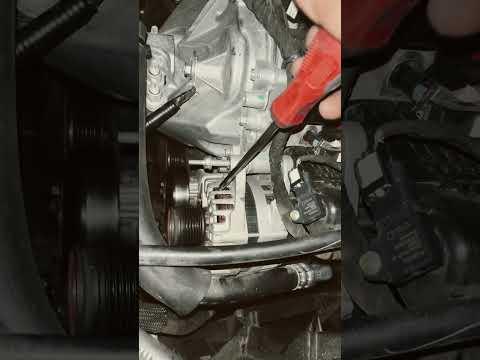
You’ll be replacing the accessory drive (serpentine) belt on your Escape. This belt drives the alternator, A/C compressor, and other accessories from the crankshaft.
On this engine, you’ll need to loosen an engine mount and move it slightly to get the belt in and out, but I’ll walk you through each step slowly.
Difficulty Level: Intermediate (beginner can do it with patience) | Estimated Time: 2–3 hours
⚠️ Safety & Precautions
- ⚠️ Always work on a cold engine; hot pulleys and exhaust can burn you.
- ⚠️ Remove the negative battery cable so the engine cannot start while your hands are near moving parts.
- ⚠️ Support the engine with a floor jack and wood block before loosening the right engine mount. Never let the engine hang unsupported.
- ⚠️ Use jack stands if you need to raise the vehicle; never rely only on a jack.
- ⚠️ Keep fingers clear of the belt and pulleys when moving the spring tensioner; it can snap back quickly.
🔧 Required Tools
You'll need the following tools for this repair:
- Floor jack (rated 3-ton minimum)
- Jack stands (rated 3-ton minimum)
- Wood block (approx. 2"x4"x8")
- 3/8" drive ratchet
- 1/2" drive ratchet
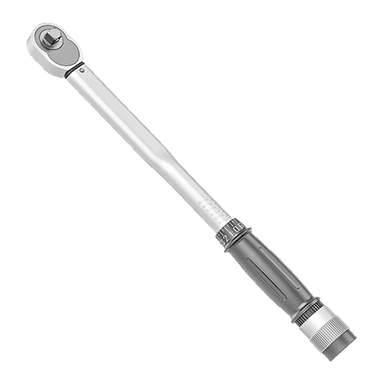
- 3/8" drive torque wrench (5–60 ft-lbs range)
- 1/2" drive torque wrench (30–150 ft-lbs range)
- 10mm socket
- 13mm socket
- 15mm socket
- 18mm socket
- Short 3/8" drive extension (2"–3")
- Serpentine belt tool (low-profile, with 15mm crows-foot) (specialty)
- Flathead screwdriver (medium)
- Wheel chocks
- Work light or flashlight
- Mechanic gloves
- Safety glasses
- Paint marker or chalk
🔩 Required Parts
HowToo sells all the parts you need for this repair:
- Serpentine (accessory drive) belt – 1.5L EcoBoost - Qty: 1
- Right engine mount bolts (single-use, torque-to-yield, set) - Qty: 1 set
- Anti-seize compound - Qty: 1 small tube
- Brake cleaner or general parts cleaner spray - Qty: 1 can
- Shop towels - Qty: 1 pack
📋 Before You Begin
- Park the Escape on a flat, level surface with the transmission in P and the parking brake fully applied.
- Place wheel chocks behind the rear wheels.
- Open the hood and secure it with the hood prop rod.
- Disconnect the negative battery cable using a 10mm socket and move the cable end aside so it cannot touch the battery post.
- Gather all tools and parts so you don’t have to leave the vehicle partly disassembled.
🔨 Step-by-Step Instructions
Follow these steps in order:
Step 1: Gain access to the belt area
- Using a 10mm socket and 3/8" ratchet, remove any plastic fasteners or small bolts holding the upper right engine cover or air ducting (if present) around the belt area.
- Lift off the plastic engine cover by pulling up firmly at the corners; it just pops off rubber grommets.
- Set removed parts aside in order of removal.
Step 2: Support the engine from below
- Position the floor jack under the engine oil pan, slightly toward the transmission side.
- Place the wood block between the jack pad and the oil pan to spread the load and prevent damage.
- Gently pump the jack until it just contacts the oil pan and begins to slightly support the engine. Do not lift the car off its suspension.
- The jack only supports weight while the mount is loose.
Step 3: Remove the right engine mount (body side)
- The right engine mount is on the passenger side, between the engine and the strut tower, above the belt.
- Using a 13mm socket and 3/8" ratchet, remove any small brackets or harness retainers attached to the top of the engine mount.
- Using an 18mm socket and 1/2" ratchet, loosen and remove the engine mount-to-body bolts (usually 3 bolts). Support the mount as the last bolt comes out.
- Carefully lift the mount and set it aside. The engine is now supported by the jack.
- Reinstallation torque: torque engine mount-to-body bolts to 80 Nm (59 ft-lbs) plus an additional 60° turn.
Step 4: Remove engine-side mount bracket (if needed for clearance)
- There is a metal bracket bolted to the engine that the mount attached to.
- Using an 18mm socket and 1/2" ratchet, remove the engine mount bracket-to-engine bolts (typically 3 bolts).
- Carefully remove the bracket upward to create more space around the belt.
- Reinstallation torque: torque engine mount bracket-to-engine bolts to 60 Nm (44 ft-lbs) plus an additional 60° turn.
Step 5: Note or mark the belt routing
- Look for a factory belt routing sticker on the radiator support or underside of the hood. If present, study it for a minute.
- If there is no sticker, use your phone to take a clear photo of how the belt runs around all pulleys.
- Use a paint marker to draw a simple routing diagram on cardboard or paper.
- This diagram will save you a lot of time later.
Step 6: Relieve tension from the belt
- Identify the belt tensioner (a pulley on a spring-loaded arm).
- Install your serpentine belt tool with 15mm crows-foot (or a 15mm socket on a long 1/2" ratchet) on the tensioner bolt.
- Rotate the tensioner clockwise (usually) to relieve tension. It will be stiff—apply steady, controlled force.
- While holding tension off with one hand, use your other hand to slip the belt off one of the smooth pulleys (usually the idler or alternator) using your fingers or a flathead screwdriver carefully.
- Slowly release the tensioner back to its rest position.
Step 7: Remove the old belt
- Pull the belt out from around the remaining pulleys and guide it out of the engine bay.
- Compare the old belt to the new one: length and rib count should match.
- If the old belt is cracked or glazed, note it as confirmation you’re doing this at the right time.
Step 8: Inspect pulleys and tensioner
- Spin each accessible pulley by hand (engine off). They should turn smoothly and quietly with no grinding.
- Wiggle each pulley front-to-back; there should be almost no play.
- If any pulley feels rough or loose, plan to replace that component soon (tensioner, idler, or accessory).
- Spray a small amount of brake cleaner on a shop towel and wipe the pulley surfaces clean of oil or coolant.
Step 9: Route the new belt (leave one pulley for last)
- Using your routing diagram, start feeding the new belt around the lower pulleys first (crankshaft, A/C compressor), then around the grooved pulleys (alternator, water pump if driven by belt).
- Ensure the belt ribs sit correctly in the grooves on each grooved pulley—no ribs should hang off an edge.
- Leave the easiest-to-reach smooth pulley (often the idler near the top) as the last point where you will slip the belt on after moving the tensioner.
Step 10: Apply tension and seat the belt
- Reinstall your serpentine belt tool with 15mm crows-foot (or 15mm socket and long ratchet) onto the tensioner.
- Rotate the tensioner clockwise again to relieve tension.
- With the tensioner held, slip the belt fully onto the last pulley, making sure it stays seated on all others.
- Slowly release the tensioner so it tightens the belt.
- Visually inspect every pulley again to confirm the belt is centered and in all grooves.
Step 11: Reinstall engine-side mount bracket
- Position the engine mount bracket back against the engine block.
- Start all bracket bolts by hand to avoid cross-threading.
- Using an 18mm socket and 1/2" ratchet, snug the bolts evenly.
- Then tighten with a 1/2" torque wrench to 60 Nm (44 ft-lbs) plus an additional 60° turn for each bolt.
- Mark bolt heads with paint to track the extra 60° turn.
Step 12: Reinstall right engine mount to body
- Lower or raise the floor jack slightly to align the engine mount with the body mounting holes.
- Install new engine mount-to-body bolts (torque-to-yield) by hand first.
- Using an 18mm socket and 1/2" ratchet, snug all mount bolts evenly.
- Use a 1/2" torque wrench to torque them to 80 Nm (59 ft-lbs) plus an additional 60° turn per bolt.
- Reattach any small brackets or harness clips you removed using a 13mm socket or 10mm socket as required. Tighten small bolts to about 10 Nm (89 in-lbs).
- Once the mount is fully tightened, slowly lower the jack until it no longer supports the engine, then remove the jack and wood block.
Step 13: Reinstall covers and reconnect battery
- Reinstall the engine cover by aligning it with the mounting pegs and pressing down firmly at each corner.
- Reinstall any air ducting or plastic shields using the 10mm socket and 3/8" ratchet.
- Reconnect the negative battery cable using the 10mm socket and tighten to about 5 Nm (44 in-lbs)—snug, not over-tight.
✅ After Repair
- Start the engine and watch the belt for at least 30–60 seconds. It should run smoothly with no wobble or walk-off from any pulley.
- Listen for new noises (squealing, chirping, grinding). If you hear any, shut off the engine and re-check routing and pulley condition.
- Turn on the A/C and headlights to load the system and confirm there are no belt slips or noises.
- After a short test drive, recheck belt alignment and that all mount bolts and covers are still secure.
💰 DIY vs Shop Cost
Shop Cost: $300–$500 (parts + labor)
DIY Cost: $40–$120 (parts only, depending on belt and new bolts)
You Save: $180–$400 by doing it yourself!
Shop labor rates vary but typically run $100–$150/hour. This repair takes a shop approximately 1.5–2.0 hours.
🎯 Ready to get started?
HowToo makes it easy: same-day/2-day shipping on every part, plus all the tools and specialty tools you need! Check out the parts and tools sections below to add everything to your cart.