









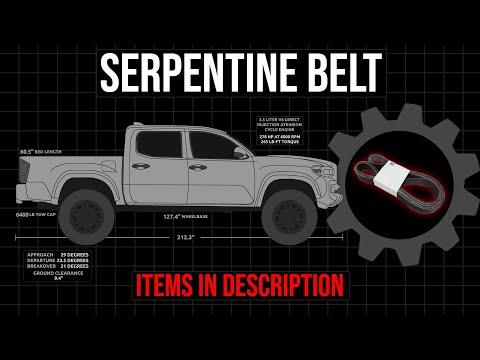




How to Replace the Serpentine Belt on a 2017 Toyota Tacoma 3.5L V6
Step-by-step Tacoma serpentine belt replacement with tools, parts list, safety tips, and inspection checks for 2016, 2017, 2018, 2019, 2020, 2021, 2022, 2023
How to Replace the Serpentine Belt on a 2017 Toyota Tacoma 3.5L V6
Step-by-step Tacoma serpentine belt replacement with tools, parts list, safety tips, and inspection checks for 2016, 2017, 2018, 2019, 2020, 2021, 2022, 2023


🔧 Tacoma - Serpentine Belt Replacement
You’ll be removing the old serpentine belt from the front of the engine and installing a new one on your Tacoma. The belt drives the alternator, power steering, A/C compressor, and water pump, so replacing it prevents breakdowns and noise.
Difficulty Level: Beginner | Estimated Time: 1-1.5 hours
⚠️ Safety & Precautions
- 🛑 Always work with the engine off and completely cooled down to avoid burns.
- 🛑 Remove the key from the ignition and keep it in your pocket so no one can start the engine.
- 🛑 Keep fingers, clothing, and tools away from pulleys and fans at all times.
- 🛑 If you need to run the engine to check your work, make sure all tools are out of the engine bay first.
- 🛑 Battery disconnection is not required, but you may disconnect the negative terminal with a 10mm wrench if you want extra safety.
🔧 Required Tools
You'll need the following tools for this repair:
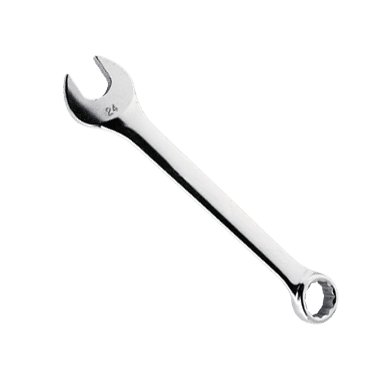
- 🧰 3/8" drive ratchet
- 🧰 1/2" drive ratchet
- 🧰 14mm socket
- 🧰 10mm socket
- 🧰 10mm combination wrench
- 🧰 Short extension 3/8" drive
- 🧰 Serpentine belt tool (long handle) (specialty)
- 🧰 Flathead screwdriver (medium)
- 🧰 Work light or LED lamp
- 🧰 Mechanic’s gloves
- 🧰 Safety glasses
- 🧰 White paint marker or chalk
- 🧰 Fender cover or old towel
🔩 Required Parts
HowToo sells all the parts you need for this repair:
- 🔩 Serpentine drive belt (V6 3.5L, with A/C) - Qty: 1
- 🔩 Belt tensioner assembly - Qty: 1 (optional but good if noisy or worn)
- 🔩 Idler pulley - Qty: 1 (optional, inspect and replace if rough)
- 🔩 Dielectric grease packet - Qty: 1 (optional, for battery terminal if disconnected)
- 🔩 Shop towels or rags - Qty: 1 pack
📋 Before You Begin
- 📌 Park the Tacoma on level ground, set the parking brake, and put the transmission in gear.
- 📌 Open the hood and secure it with the prop rod.
- 📌 If you prefer, disconnect the negative battery cable with a 10mm wrench and tuck it aside.
- 📌 Find the belt routing diagram sticker under the hood. If it’s missing, draw your own routing with the white paint marker before removing the belt.
🔨 Step-by-Step Instructions
Follow these steps in order:
Step 1: Prepare the work area
- Place a fender cover or towel over the front fender to protect the paint while you lean in.
- Set up your work light so you can clearly see the front of the engine and all pulleys.
- Put on your safety glasses and mechanic’s gloves.
Step 2: Locate the serpentine belt and tensioner
- Use the work light and look at the front of the V6 engine from the passenger side of the bay.
- The long rubber belt you see looping around several pulleys is the serpentine belt.
- Find the belt tensioner: it’s a pulley mounted on a spring-loaded arm. On this engine, it has a bolt head (for a 14mm socket) near the pulley.
- Wiggle the tensioner slightly with your hand to feel the spring resistance.
Step 3: Record or draw the belt routing
- If there is a routing sticker under the hood, study it for a minute.
- If no sticker, use the white paint marker or chalk and paper or cardboard to draw:
- The crankshaft pulley (lowest, largest pulley)
- Alternator, A/C compressor, idler pulley, tensioner pulley, and any others
- The exact path the belt takes (over/under each pulley)
- Take a clear photo of the belt routing with your phone as backup.
Step 4: Relieve tension from the belt
- Install a 14mm socket on your 3/8" or 1/2" drive ratchet, or use a serpentine belt tool (specialty) with a 14mm socket if space is tight.
- Place the socket on the bolt head of the tensioner pulley from the easiest angle.
- Rotate the tensioner arm to relieve belt tension. On this engine, you typically pull the handle toward the driver’s side, but move slowly and see which way loosens the belt.
- Hold the tensioner in the released position firmly; the spring is strong.
- Keep two hands on the tool, and move smoothly, not suddenly.
Step 5: Slip the belt off one pulley
- With the tensioner held in the released position, use your free hand to slide the belt off the smooth idler pulley or alternator pulley.
- Once the belt is off one pulley, gently let the tensioner return to its rest position while guiding your tool off the bolt.
- Remove the belt from the easiest, most accessible pulley first.
Step 6: Remove the old belt completely
- Use your hands to pull the belt out from around all the pulleys, working from the top down.
- If the belt gets hung on a lip or shield, use a flathead screwdriver gently to free it.
- Remove the belt from the engine bay and lay it on the ground.
Step 7: Inspect pulleys and tensioner
- Spin each accessible pulley by hand:
- They should spin smoothly, with no grinding or rough spots.
- They should not wobble side-to-side.
- Check the tensioner arm:
- Move it slightly with your hand. It should be firm and spring back smoothly.
- If any pulley feels rough, noisy, or loose, plan to replace the idler pulley or tensioner assembly soon.
- Fix noisy pulleys now; it prevents future belt damage.
Step 8: Compare old and new belts
- Lay the old belt and new belt side-by-side on the ground.
- Check that:
- The length is the same or very close.
- The rib count (number of grooves) is the same.
- Inspect the old belt for cracks, missing chunks, or glazing (shiny areas) to confirm it needed replacement.
Step 9: Route the new belt around lower pulleys
- Using your drawing or photo, begin routing the new belt around the crankshaft pulley first (the large lower pulley).
- Use both hands to loop the belt around the next few pulleys (like the A/C compressor and power steering/alternator) according to the diagram.
- Make sure the grooves in the belt sit properly into the grooves of each ribbed pulley.
- Leave the easiest upper pulley (often the smooth idler) for last so you can slip the belt on there once tension is released.
- Keep the belt snug as you route it so it doesn’t slip off.
Step 10: Prepare to tension the belt
- Double-check the routing now:
- Belt is on every pulley except your chosen “last” pulley.
- Grooved side of belt is on grooved pulleys.
- Smooth back of belt runs on any smooth pulleys.
- Reinstall the 14mm socket and ratchet or serpentine belt tool on the tensioner bolt head.
Step 11: Apply tension and slip belt onto last pulley
- Rotate the tensioner again with the ratchet and 14mm socket, moving it in the same direction you did before to release tension.
- With your other hand, slip the belt over the last pulley (usually the smooth idler or alternator).
- Make sure the belt does not hop out of the grooves on any other pulley while you’re doing this.
- Slowly and carefully allow the tensioner to move back to its resting position, tightening the belt.
- Check each pulley immediately; misalignment now will cause noise later.
Step 12: Final visual check
- Use the work light and examine every pulley from top and as much from the side as you can.
- Confirm:
- The belt is fully seated in all grooves.
- No part of the belt is twisted.
- The routing matches the diagram exactly.
- If you disconnected the battery, reinstall the negative cable with a 10mm socket or wrench and tighten to about 6 Nm (53 in-lbs) (snug, not over-tight).
Step 13: Start the engine and inspect
- Remove any tools and rags from the engine bay.
- Start the engine and let it idle while you watch the belt from the side of the truck.
- Look and listen:
- Belt should run smoothly, with no wobble.
- No squealing or chirping sounds.
- Tensioner arm should move only slightly, not bounce wildly.
- Turn the engine off and recheck belt seating one more time.
✅ After Repair
- 🚗 Take a short drive (5–10 minutes) with the A/C on and electrical loads (lights, radio) running, then recheck belt alignment and tensioner behavior with the engine idling.
- 🔊 Listen for any new noises like squeals, chirps, or grinding from the front of the engine. If you hear grinding, a pulley bearing may be bad and should be replaced.
- 🧼 Check the area for any loose tools or rags before closing the hood.
- 🔁 After a few days of driving, inspect the belt again to ensure it’s still centered on all pulleys.
💰 DIY vs Shop Cost
Shop Cost: $180-$300 (parts + labor)
DIY Cost: $30-$70 (belt only, more if you add pulleys/tensioner)
You Save: $110-$230 by doing it yourself!
Shop labor rates vary but typically run $100-$150/hour. This repair takes a shop approximately 0.7-1.0 hours.
🎯 Ready to get started?
HowToo makes it easy: same-day/2-day shipping on every part, plus all the tools and specialty tools you need! Check out the parts and tools sections above to add everything to your cart.