















How to Replace the Serpentine Belt on a 2016 Toyota Land Cruiser
Step-by-step instructions with tools, safety tips, and belt routing guidance for 2008, 2009, 2010, 2011, 2013, 2014, 2015, 2016, 2017, 2018, 2019, 2020, 2021
How to Replace the Serpentine Belt on a 2016 Toyota Land Cruiser
Step-by-step instructions with tools, safety tips, and belt routing guidance for 2008, 2009, 2010, 2011, 2013, 2014, 2015, 2016, 2017, 2018, 2019, 2020, 2021


🔧 Serpentine Belt - Replacement
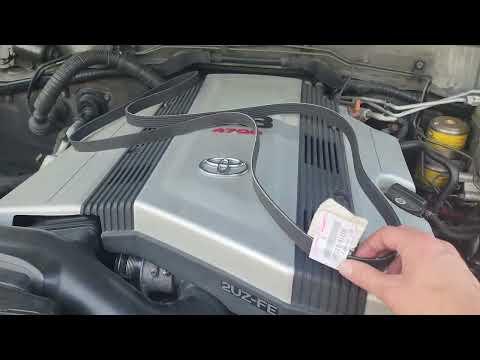
The serpentine belt drives the alternator, water pump, A/C compressor, and other accessories. On your Land Cruiser, replacement is straightforward once the belt tension is released with the automatic tensioner. A worn belt can squeal, crack, or slip, so replacing it on time helps prevent charging and cooling problems.
Difficulty Level: Beginner | Estimated Time: 0.8-1.2 hours
⚠️ Safety & Precautions
- Engine must be completely off and cool before starting.
- Keep fingers clear of the tensioner and pulley path.
- Do not crank the engine with the belt removed.
- Disconnect the negative battery cable if you will work near the starter or alternator wiring.
- Watch the belt path before removal.
🔧 Required Tools
You'll need the following tools for this repair:
- 1/2-inch drive breaker bar
- 22mm socket
- Ratchet
- Flashlight
- Safety glasses
- Mechanic gloves
- Wheel chocks
🔩 Required Parts
HowToo sells all the parts you need for this repair:
- Serpentine belt - Qty: 1
📋 Before You Begin
- Park on level ground and set the parking brake.
- Let the engine cool fully.
- Open the hood and locate the belt routing diagram under the hood or near the radiator support.
- Take a photo of the belt routing first.
🔨 Step-by-Step Instructions
Follow these steps in order:
Step 1: Locate the belt and tensioner
- Open the hood and find the serpentine belt on the front of the engine.
- Use a flashlight to locate the automatic belt tensioner pulley.
- The tensioner is the spring-loaded arm that keeps the belt tight.
Step 2: Release belt tension
- Place the 22mm socket and 1/2-inch drive breaker bar on the tensioner bolt.
- Rotate the tensioner clockwise to relieve belt tension.
- Hold the tensioner steady and slide the belt off one accessible pulley.
- Move slowly to avoid snapping the tool back.
Step 3: Remove the old belt
- Once the belt is loose, remove it from all pulleys by hand.
- Check each pulley for roughness, wobble, or noise while the belt is off.
- If a pulley feels rough, it should be inspected before installing the new belt.
Step 4: Route the new belt
- Compare the new belt to the old one to confirm length.
- Route the new belt around the pulleys following the belt routing diagram.
- Leave the easiest-to-reach pulley for last so you can slip the belt on more easily.
- Use the exact factory routing path.
Step 5: Reapply tension
- Place the 22mm socket and 1/2-inch drive breaker bar on the tensioner again.
- Rotate the tensioner clockwise and slip the belt onto the last pulley.
- Slowly release the tensioner so it applies pressure to the belt.
- Make sure the belt sits fully in every pulley groove.
Step 6: Inspect the installation
- Check the belt on every pulley for proper seating.
- Look for twists, misalignment, or a rib riding out of the pulley.
- Spin the engine by hand only if needed to verify alignment.
✅ After Repair
- Start the engine and watch the belt for a few seconds.
- Listen for squealing, chirping, or slapping sounds.
- Check that the belt runs centered on every pulley.
- Turn on the A/C and headlights to confirm stable charging and smooth operation.
💰 DIY vs Shop Cost
Shop Cost: $180-$320 (parts + labor)
DIY Cost: $40-$90 (parts only)
You Save: $140-$230 by doing it yourself!
Shop labor rates vary but typically run $100-$150/hour. This repair takes a shop approximately 0.8-1.2 hours.
🎯 Ready to get started?
HowToo makes it easy: same-day/2-day shipping on every part, plus all the tools and specialty tools you need! Check out the parts and tools sections below to add everything to your cart.