









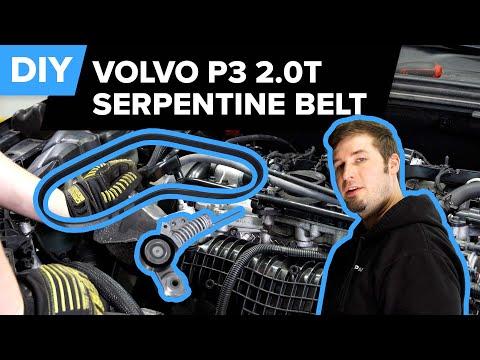





How to Replace the Serpentine Belt on a 2016-2022 Volvo XC90 (Trim: T6 R-Design | Engine: Inline 4 2.0L)
Step-by-step instructions with tools, routing tips, safety precautions, and inspection checks
How to Replace the Serpentine Belt on a 2016-2022 Volvo XC90 (Trim: T6 R-Design | Engine: Inline 4 2.0L)
Step-by-step instructions with tools, routing tips, safety precautions, and inspection checks for 2016


🔧 Serpentine Belt - Replacement
The serpentine belt drives several accessories at once, so a worn or cracked belt can cause squealing, charging issues, or loss of power steering assist. On your XC90, the job is straightforward if you can safely release the belt tensioner and follow the factory routing exactly.
Difficulty Level: Beginner | Estimated Time: 0.5-1 hour
⚠️ Safety & Precautions
- Work with the engine fully off and cool. Keep hands, hair, and clothing away from all pulleys.
- Do not start the engine with the belt removed.
- If you must reach near the fan or pulleys, disconnect the negative battery cable first.
- Make sure the new belt is seated in every pulley groove before starting the engine.
- Use the belt routing diagram under the hood if present; if not, match the original routing exactly.
🔧 Required Tools
You'll need the following tools for this repair:
- 1/2-inch drive breaker bar
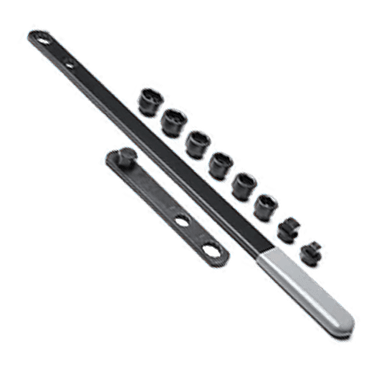
- Serpentine belt tool (specialty)
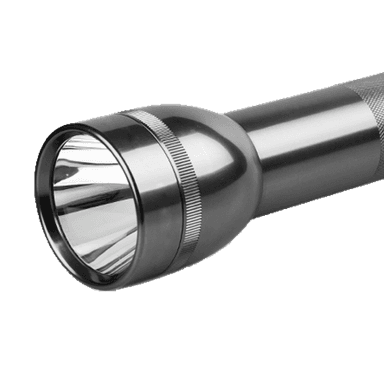
- Flashlight
- Mechanic gloves
- Safety glasses
🔩 Required Parts
HowToo sells all the parts you need for this repair:
- Serpentine belt - Qty: 1
📋 Before You Begin
- Park on level ground, set the parking brake, and open the hood.
- Let the engine cool completely.
- Look for the belt routing diagram on the upper radiator support or under-hood label before removing anything.
🔨 Step-by-Step Instructions
Follow these steps in order:
Step 1: Locate the belt routing
- Use a flashlight to find the serpentine belt and the tensioner pulley.
- Check for a routing diagram under the hood. If it is there, study it before removal.
- Take a quick photo first.
Step 2: Release belt tension
- Use a 1/2-inch drive breaker bar or serpentine belt tool (specialty) on the tensioner to rotate it and unload the belt.
- Hold the tensioner steady while the belt is slack.
- Do not let the tensioner snap back.
Step 3: Remove the old belt
- Slip the belt off the easiest accessible pulley while the tension is released.
- Slowly move the tensioner back to rest position.
- Pull the belt out of the engine bay.
Step 4: Compare the new belt
- Lay the new belt next to the old one and confirm the length matches.
- Check that the ribs and width look the same.
- If they do not match, stop and verify the part.
Step 5: Route the new belt
- Start routing the new belt around the pulleys following the diagram.
- Leave the easiest pulley for last so you can slip the belt on after releasing tension.
- Make sure the ribs sit fully inside every grooved pulley.
Step 6: Seat the belt on all pulleys
- Use the 1/2-inch drive breaker bar or serpentine belt tool (specialty) again to release the tensioner.
- Slip the last section of belt over the final pulley.
- Slowly release the tensioner.
- Torque: No fasteners are removed for the belt swap itself.
Step 7: Inspect alignment
- Use a flashlight to check every pulley groove.
- Look for one rib riding off-center or a twisted belt.
- One misrouted rib can shred the belt.
✅ After Repair
- Start the engine and watch the belt for 30-60 seconds.
- Listen for squealing, chirping, or a slapping noise.
- Turn on the A/C and headlights to confirm stable operation.
- Shut the engine off and recheck belt tracking if anything sounds off.
💰 DIY vs Shop Cost
Shop Cost: $180-$350 (parts + labor)
DIY Cost: $40-$90 (parts only)
You Save: $140-$260 by doing it yourself!
Shop labor rates vary but typically run $100-$150/hour. This repair takes a shop approximately 0.5-1 hour.
🎯 Ready to get started?
HowToo makes it easy: same-day/2-day shipping on every part, plus all the tools and specialty tools you need! Check out the parts and tools sections below to add everything to your cart.