














How to Replace the Serpentine Belt on a 2015 Chevy Silverado 1500 5.3L
Step-by-step Silverado 1500 5.3L serpentine belt replacement with tools, routing diagram tips, safety steps, and torque specs for 2014, 2015, 2016, 2017, 2018
How to Replace the Serpentine Belt on a 2015 Chevy Silverado 1500 5.3L
Step-by-step Silverado 1500 5.3L serpentine belt replacement with tools, routing diagram tips, safety steps, and torque specs for 2014, 2015, 2016, 2017, 2018


Silverado 1500 - Serpentine Belt Replacement 🔧
Got it—replacing the serpentine belt on your Silverado 1500 5.3L. I’ll walk you through it step by step.
Quick check: Do you have basic tools (socket set, ratchet, wrenches) and a safe, flat place to work? If yes, you’re good to follow this guide.
What the serpentine belt does 🧠
The serpentine belt is the long rubber belt that drives your alternator, power steering pump, A/C compressor, and water pump. If it fails, the engine can overheat and you’ll lose charging and steering assist.
Parts & Specs 📦
- ✅ Serpentine belt (main drive belt)
- Engine: 5.3L V8 (L83) with A/C
- Typical GM belt size: ~6-rib, ~94–96" (length varies by options)
- Use your truck’s options (A/C, no delete pulleys) to match the belt at the parts store.
- ✅ Optional: Belt tensioner and/or idler pulley if noisy or worn.
Tools You’ll Need 🛠️
- 🧰 3/8" or 1/2" drive ratchet (the common handle for sockets)
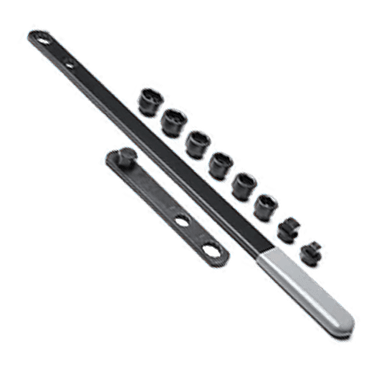
- 🧰 Serpentine belt tool (a long, flat bar with a socket end; helps reach the tensioner in tight spaces)
- 🧰 Sockets:
- 15 mm – belt tensioner (common size on this engine)
- 10 mm / 13 mm – for any covers or brackets if needed
- 🧰 Flat-blade screwdriver – to help move plastic covers or clips.
- 🧰 Work light – to clearly see the pulleys and belt routing.
- 🧰 Gloves & safety glasses – protect your hands and eyes.
Safety First ⚠️
- ⚠️ Engine OFF and cool – never work on the belt with the engine running.
- ⚠️ Disconnect negative battery cable (10 mm) if your hands will be near the fan or starter wiring. This prevents accidental cranking.
- ⚠️ Keep fingers clear of the belt and pulleys when releasing the tensioner.
Step 1 – Locate the belt and routing diagram 👀
- 📌 Open the hood and support it fully.
- 📌 On most Silverados, there is a belt routing diagram sticker on the radiator support or underside of the hood.
- If it’s missing, take a clear photo of the belt before removal from above and from the passenger side.
- This photo is your backup “map” for routing.
Step 2 – Identify the tensioner and pulleys 🔍
- 🧩 The belt tensioner is a spring-loaded pulley that keeps the belt tight. On the 5.3L, it’s usually:
- Front of the engine, slightly toward the passenger side.
- Has a smooth pulley and a cast arm with a bolt head or square drive for your tool.
- 🧩 Pulleys:
- Ribbed pulleys (with grooves) contact the ribbed side of the belt.
- Smooth pulleys contact the smooth back side of the belt.
Step 3 – Relieve belt tension and remove belt 🧯
- 🔧 Place your 15 mm socket on the tensioner bolt (center of the tensioner pulley) or use the square drive if provided.
- 🔧 Rotate the tensioner:
- On this engine, you typically rotate the tensioner clockwise (toward the passenger side) to relieve tension.
- If it doesn’t move easily, double-check you’re on the correct pulley.
- 🔧 While holding the tensioner in the released position, use your other hand to slip the belt off one easy-access pulley (usually the alternator at the top).
- 🔧 Slowly let the tensioner return to its rest position. Do not let it snap back hard.
- 🔧 Remove the belt from the rest of the pulleys and pull it out of the engine bay.
Step 4 – Inspect pulleys and tensioner 🧪
- 🧲 Spin each accessible pulley by hand:
- They should spin smoothly, with no grinding or wobble.
- If a pulley feels rough, loose, or noisy, plan to replace that idler pulley or tensioner.
- 🧲 Check the tensioner:
- Move it with your ratchet again; it should move smoothly and spring back firmly.
- If it’s jerky, weak, or noisy, replace the tensioner.
Step 5 – Route the new belt (dry-fit) 🧵
- 📐 Lay the old belt next to the new one:
- Lengths should be very close. A few millimeters difference is okay; big difference means wrong belt.
- 📐 Using the routing diagram or your photo, start routing the new belt:
- Begin at the crankshaft pulley (big pulley at the bottom).
- Work around the water pump, alternator, power steering, and A/C compressor as shown in the diagram.
- Leave the belt off the easiest top pulley (often the alternator or idler) for last.
- 📐 Make sure:
- All ribs are fully seated in the grooves on ribbed pulleys.
- The smooth side of the belt runs on smooth pulleys.
Step 6 – Apply tension and install fully 💪
- 🔧 Put your ratchet/serpentine tool back on the tensioner.
- 🔧 Rotate the tensioner clockwise again to create slack.
- 🔧 With your other hand, slip the belt over the last pulley (usually the alternator or idler).
- If it won’t go on, double-check routing—often a misrouted section makes the belt “too short.”
- 🔧 Slowly release the tensioner so it tightens the belt.
Step 7 – Final checks before starting the engine ✅
- 👁️ Inspect every pulley:
- Ribs lined up in grooves.
- Belt centered on smooth pulleys.
- 👁️ Make sure no tools are left in the engine bay.
- 👁️ Reconnect the negative battery cable if you removed it.
Step 8 – Start-up and listen 👂
- 🚗 Start the engine and let it idle.
- 🚗 Watch the belt for a minute:
- It should run smoothly with no wobble or jumping.
- Listen for squealing, chirping, or grinding. If you hear any, shut off and re-check routing and pulleys.
Torque Notes 🔩
- 📎 If you replace the tensioner assembly:
- Typical GM 5.3L tensioner mounting bolts: around 37–43 lb-ft (50–58 N·m).
- Always verify with a service manual or on the new part’s instructions if provided.
Tips & Tricks 💡
- 💡 A long serpentine belt tool makes this job much easier than a short ratchet.
- 💡 If access is tight, removing the air intake tube (clamps and a couple of bolts) can give more room.
- 💡 If the belt squeals on first start but routing is correct, a light dusting of any residue off the pulleys with a clean rag can help (engine off).
If you tell me whether your truck has any special options (like no A/C or aftermarket pulleys), I can confirm the exact belt routing and part length you should buy.
HowToo makes it easy: below this answer you’ll see recommended belts, tensioners, and tools for your Silverado. You can add them to your cart right from the parts section, with fast shipping so you can get this done in a day or two. 🚚