












How to Replace the Serpentine Belt on a 2015-2021 Subaru WRX (Accessory Drive Belt) (Engine: Flat 4 2.0L)
Step-by-step DIY guide with tools list, belt routing tips, safety checks, and post-install inspection
How to Replace the Serpentine Belt on a 2015-2021 Subaru WRX (Accessory Drive Belt) (Engine: Flat 4 2.0L)
Step-by-step DIY guide with tools list, belt routing tips, safety checks, and post-install inspection for 2015, 2016, 2017, 2018, 2019, 2020, 2021


🔧 WRX - Serpentine Belt Replacement
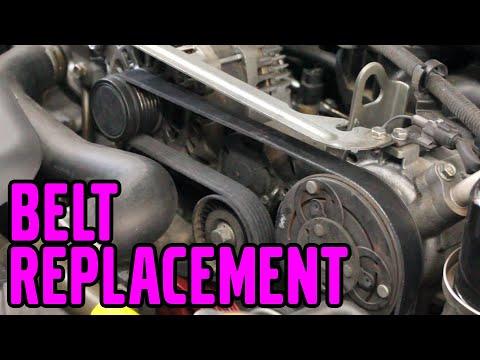
The serpentine belt (also called the accessory drive belt) spins your alternator and A/C compressor. Replacing it is mostly about safely releasing the spring-loaded belt tensioner, swapping the belt, and confirming the routing is correct.
Difficulty Level: Intermediate | Estimated Time: 0.5-1.0 hours
⚠️ Safety & Precautions
- ⚠️ Work on a cold engine; hot pulleys can burn you.
- ⚠️ Keep fingers/clothes clear of the belt path; the tensioner is spring-loaded.
- ⚠️ Do not start the engine until you’ve double-checked belt routing on every pulley.
- ⚠️ Battery disconnect is not required, but remove the key and keep it away from the car while working.
🔧 Required Tools
You'll need the following tools for this repair:
- 14mm socket
- 3/8" drive ratchet
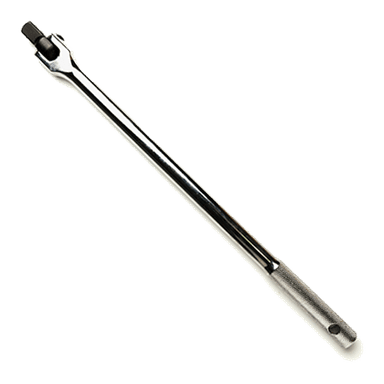
- 3/8" drive breaker bar (18"-24")
- 10mm socket
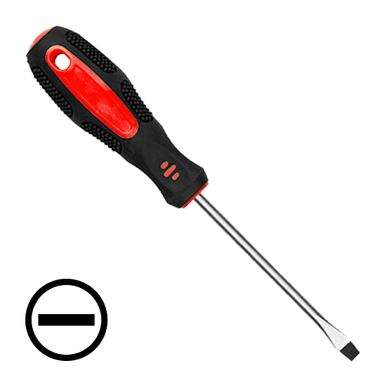
- Flat-blade screwdriver
- Trim clip removal tool
- Flashlight
- Mechanic gloves
- Safety glasses
🔩 Required Parts
HowToo sells all the parts you need for this repair:
- Serpentine belt (accessory drive belt) - Qty: 1
📋 Before You Begin
- Park on level ground, put the transmission in 1st gear, and set the parking brake.
- Open the hood and let the engine cool fully.
- Take a quick photo of the belt routing before removal (or use the routing diagram sticker if present).
🔨 Step-by-Step Instructions
Follow these steps in order:
Step 1: Create working room at the front of the engine
- Remove the plastic air inlet/snorkel (if equipped) using a trim clip removal tool for the push-clips.
- If there are small bolts holding the snorkel, remove them with a 10mm socket.
- More space = easier belt install.
Step 2: Locate the belt tensioner
- Use a flashlight and look at the front of the engine where the belt runs.
- Find the spring-loaded tensioner arm; it has a hex point for a tool to rotate it.
- A “tensioner” is the spring-loaded part that keeps the belt tight automatically.
Step 3: Release belt tension
- Put a 14mm socket on the tensioner’s hex and attach a 3/8" drive breaker bar.
- Rotate the tensioner clockwise to relieve belt tension.
- While holding the tensioner rotated, slide the belt off the nearest easy pulley (usually the alternator pulley) by hand with mechanic gloves.
- Slowly let the tensioner return to its resting position (do not let it snap back).
Step 4: Remove the old belt
- Pull the belt out from around the remaining pulleys by hand.
- Inspect each pulley face as you go (look for wobble, chips, or heavy rust).
Step 5: Route the new belt
- Match the new belt to the old belt length and rib count before installing.
- Route the belt around the pulleys following your photo/diagram, leaving the easiest pulley for last.
- Make sure all ribs sit fully in the ribbed pulleys (no rib “hanging off” an edge).
Step 6: Apply tension and finish installation
- Use the 14mm socket and 3/8" drive breaker bar to rotate the tensioner clockwise again.
- Slip the belt onto the last pulley by hand, then slowly release the tensioner.
- Do a final visual check with a flashlight: belt centered on every pulley and fully seated in the grooves.
Step 7: Reinstall removed intake pieces
- Reinstall the snorkel/ducting using the trim clip removal tool (to align clips) and tighten any bolts with a 10mm socket.
- Use a flat-blade screwdriver to snug any hose clamps you loosened.
✅ After Repair
- Start the engine and let it idle for 30-60 seconds while you watch the belt.
- Listen for squeal or ticking; shut the engine off immediately if the belt walks off a pulley.
- Recheck belt seating once more after a short 5-10 minute drive.
💰 DIY vs Shop Cost
Shop Cost: $150-$250 (parts + labor)
DIY Cost: $30-$70 (parts only)
You Save: $80-$220 by doing it yourself!
Shop labor rates vary but typically run $100-$150/hour. This repair takes a shop approximately 0.5-1.0 hours.
🎯 Ready to get started?
HowToo makes it easy: same-day/2-day shipping on every part, plus all the tools and specialty tools you need! Check out the parts and tools sections below to add everything to your cart.