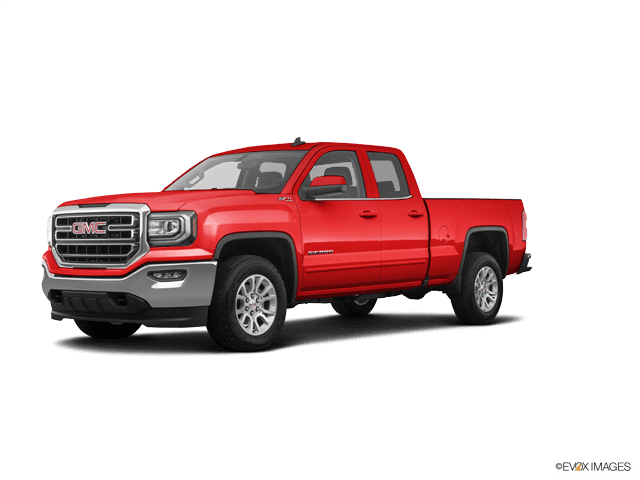









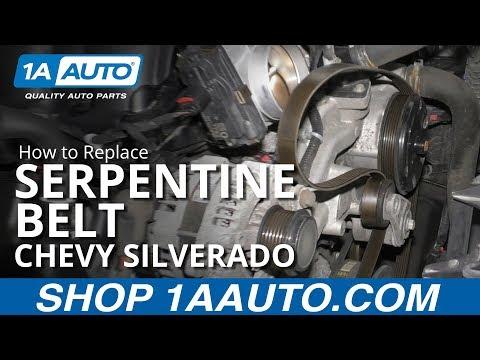




How to Replace the Serpentine Belt on a 2014-2019 GMC Sierra 1500 5.3L (Engine: V8 5.3L)
Step-by-step DIY serpentine belt replacement with tools, parts list, safety tips, and torque specs for your 2019 GMC Sierra 1500
How to Replace the Serpentine Belt on a 2014-2019 GMC Sierra 1500 5.3L (Engine: V8 5.3L)
Step-by-step DIY serpentine belt replacement with tools, parts list, safety tips, and torque specs for your 2019 GMC Sierra 1500 for 2014, 2015, 2016, 2017, 2018, 2019


🔧 Sierra 1500 - Serpentine Belt Replacement
You’ll be replacing the main drive (serpentine) belt that runs the alternator, power steering, water pump, and other accessories on your Sierra 1500. Over time, this belt cracks, squeals, or wears out and should be replaced before it fails.
Difficulty Level: Beginner | Estimated Time: 1–1.5 hours
⚠️ Safety & Precautions
- 🛑 Always work with the engine off and completely cool. The belt and pulleys can grab loose clothing or fingers if the engine is running.
- 🧯 Set the parking brake and chock the rear wheels so the truck cannot move.
- 🔋 Disconnect the negative battery cable if your hands may get close to the starter wiring or fan area. This prevents accidental cranking.
- 🧤 Wear safety glasses and gloves; you’ll be working around tight metal areas and sharp pulley edges.
- 📸 Your truck should have a belt routing diagram on the fan shroud or radiator support. If it’s missing, take a clear photo of the belt routing before removal.
- ❗ This guide is for the main serpentine belt only, not the separate A/C stretch belt (lower/front of engine).
🔧 Required Tools
You'll need the following tools for this repair:
- 🧰 3/8" drive ratchet
- 🧰 1/2" drive ratchet
- 🧰 15mm socket
- 🧰 10mm socket
- 🧰 24mm socket
- 🧰 Serpentine belt tool set (specialty)
- 🧰 3/8" drive torque wrench (5–80 ft-lbs range)
- 🧰 Flathead screwdriver (medium)
- 🧰 Trim clip removal tool (specialty)
- 🧰 Work light or LED flashlight
- 🧰 Wheel chocks
- 🧰 Mechanic’s gloves
- 🧰 Safety glasses
- 🧰 Fender cover
- 🧰 Shop towels
🔩 Required Parts
HowToo sells all the parts you need for this repair:
- 🧱 Serpentine drive belt (main accessory belt, 5.3L) - Qty: 1
- 🧱 Belt tensioner assembly (optional but recommended if original) - Qty: 1
- 🧱 Idler pulley (optional, inspect and replace if noisy/rough) - Qty: 1–2
- 🧱 Dielectric grease packet (for battery terminal, if disconnected) - Qty: 1
- 🧱 Brake cleaner spray - Qty: 1
- 🧱 Disposable shop rags - Qty: 1 pack
📋 Before You Begin
- 🅿️ Park your Sierra 1500 on level ground, shift to PARK, set the parking brake, and chock the rear wheels.
- 🔌 If you choose to disconnect the battery: use a 10mm socket to remove the negative (black) cable from the battery and set it aside so it can’t spring back.
- 🧼 Remove any loose items from around the front of the engine bay and place a fender cover to protect the paint.
- 📸 Take a clear photo of the existing belt routing from several angles. This is your backup diagram.
🔨 Step-by-Step Instructions
Follow these steps in order:
Step 1: Gain access and locate the tensioner
- Use the work light to clearly see the front of the engine from above.
- On the 5.3L, the automatic belt tensioner is an aluminum arm with a pulley near the passenger side, front of the engine. It has a 15mm bolt head in the center of its pulley.
- If any plastic covers block your view, remove them using the flathead screwdriver or trim clip removal tool and set them aside.
- Take one more picture of belt routing now.
Step 2: Relieve belt tension
- A serpentine belt tool is a long, flat bar with interchangeable sockets. It gives extra reach and leverage in tight spaces.
- Install the 15mm socket on the serpentine belt tool or a 1/2" drive ratchet.
- Fit the 15mm socket onto the bolt in the center of the tensioner pulley.
- Pull the tool so that you rotate the tensioner arm and relieve tension on the belt. On this engine, you typically pull up or toward the driver side; move slowly and feel the spring resistance.
- While holding the tensioner in the released position, slide the belt off one smooth pulley (usually the alternator or idler) with your free hand.
- Gently release the tensioner back to its rest position.
- Do not let the tool snap back suddenly.
Step 3: Remove the old serpentine belt
- With the tension released, pull the belt out of the engine bay, slipping it off each pulley by hand.
- Pay attention to which pulleys are ribbed (grooved) and which are smooth; the grooved side of the belt rides in ribbed pulleys, the flat side rides on smooth pulleys.
- Once removed, lay the old belt on the ground in a loop.
- Inspect the old belt for cracks, fraying, missing ribs, or glazing (shiny spots). This confirms it needed replacement.
Step 4: Compare old and new belts
- Place the new belt next to the old belt on the ground.
- They should be nearly the same length and have the same number of ribs. A tiny difference is okay (stretched old belt), but they should match closely.
- If the length or rib count is clearly different, do not install it—get the correct belt first.
Step 5: Inspect tensioner and idler pulleys (optional but smart)
- Spin the tensioner pulley and any idler pulleys by hand.
- They should spin smoothly with no grinding, squeaking, or wobble.
- If a pulley feels rough or loose, plan to replace it now or soon. This uses the same access you already have.
- If you remove the tensioner assembly, use a 15mm socket and 3/8" drive ratchet to remove the mounting bolt, then reinstall the new tensioner and torque to 50 Nm (37 ft-lbs) with a 3/8" drive torque wrench.
Step 6: Route the new belt (pre-positioning)
- Use your earlier photo or the under-hood diagram as a guide.
- Start routing the new belt around the crankshaft pulley at the bottom (largest pulley) using your hands.
- Next route it around the other ribbed pulleys (alternator, power steering, etc.) and then around the smooth pulleys, following the exact factory path.
- Leave the belt off one easy-access pulley (often the alternator or top idler) so you can slip it on once you release the tensioner again.
- Make sure the belt ribs are fully seated in each grooved pulley. Run a fingertip along each groove.
Step 7: Apply tension and seat the belt
- Reinstall the 15mm socket on the serpentine belt tool or ratchet and place it on the tensioner pulley bolt again.
- Rotate the tensioner in the same direction as before to relieve tension.
- With your other hand, slide the belt onto the last pulley you left free.
- Carefully release the tensioner so it tightens the belt.
- Double-check every pulley:
- The belt ribs must sit straight in the grooves on ribbed pulleys.
- The flat side must ride squarely on smooth pulleys (no twisting).
- If anything looks off, relieve tension and re-route.
Step 8: Manually rotate and final checks
- Using a 24mm socket and 1/2" drive ratchet on the crankshaft pulley bolt, gently turn the engine clockwise by hand for 1–2 full turns.
- This helps fully seat the belt and confirms it’s tracking correctly.
- Watch the belt as you turn: it should stay centered on each pulley and not walk off any edge.
- If it moves toward one side on any pulley, stop and re-check routing and seating.
Step 9: Reinstall covers and reconnect battery
- If you removed any plastic covers, reinstall them now using the original clips and your trim clip removal tool or flathead screwdriver.
- If you disconnected the battery, reinstall the negative cable using a 10mm socket and snug it down firmly. A torque wrench is not critical here, but do not over-tighten.
- Wipe off any fingerprints or spilled fluids with shop towels and a bit of brake cleaner spray if needed (do not soak rubber parts).
✅ After Repair
- 🧪 Start the engine and let it idle while you watch the belt from above. Keep fingers and tools away from moving parts.
- 👂 Listen for chirping, squealing, or slapping noises. The belt should run smooth and quiet.
- 👀 Verify the belt is centered on each pulley with no wobble or fraying.
- 🚗 Take a short, gentle test drive. After the drive, shut off the engine and re-check belt tracking and tension visually.
- 🧾 If you replaced the tensioner or idler, note the mileage and date so you know when they were last serviced.
💰 DIY vs Shop Cost
Shop Cost: $220–$320 (parts + labor)
DIY Cost: $35–$80 (parts only)
You Save: $140–$280 by doing it yourself!
Shop labor rates vary but typically run $100–$150/hour. This repair takes a shop approximately 0.8–1.0 hours.
🎯 Ready to get started?
HowToo makes it easy: same-day/2-day shipping on every part, plus all the tools and specialty tools you need! Check out the parts and tools sections above to add everything to your cart.
Guide for Serpentine Belt replace for these GMC vehicles
| Year Make Model | Sub Model | Engine | Body Style |
|---|---|---|---|
| 2019 GMC Sierra 1500 | - | V6 4.3L | - |
| 2019 GMC Sierra 1500 | - | V8 5.3L | - |
| 2019 GMC Sierra 1500 | - | V8 6.2L | - |
| 2018 GMC Sierra 1500 | - | V6 4.3L | - |
| 2018 GMC Sierra 1500 | - | V8 5.3L | - |
| 2018 GMC Sierra 1500 | - | V8 6.2L | - |
| 2017 GMC Sierra 1500 | - | V6 4.3L | - |
| 2017 GMC Sierra 1500 | - | V8 5.3L | - |
| 2017 GMC Sierra 1500 | - | V8 6.2L | - |
| 2016 GMC Sierra 1500 | - | V6 4.3L | - |
| 2016 GMC Sierra 1500 | - | V8 5.3L | - |
| 2016 GMC Sierra 1500 | - | V8 6.2L | - |
| 2015 GMC Sierra 1500 | - | V6 4.3L | - |
| 2015 GMC Sierra 1500 | - | V8 5.3L | - |
| 2015 GMC Sierra 1500 | - | V8 6.2L | - |
| 2014 GMC Sierra 1500 | - | V6 4.3L | - |
| 2014 GMC Sierra 1500 | - | V8 5.3L | - |
| 2014 GMC Sierra 1500 | - | V8 6.2L | - |