















How to Replace the Serpentine Belt on a 2013-2019 Nissan Sentra (Step-by-Step Guide) (Engine: Inline 4 1.8L)
Tools, parts, safety tips, belt routing help, and torque specs for a smooth DIY install
How to Replace the Serpentine Belt on a 2013-2019 Nissan Sentra (Step-by-Step Guide) (Engine: Inline 4 1.8L)
Tools, parts, safety tips, belt routing help, and torque specs for a smooth DIY install for 2013, 2014, 2015, 2016, 2017, 2018, 2019


🔧 Sentra - Serpentine Belt Replacement
The serpentine belt drives accessories like the alternator and A/C. If it’s cracked, noisy, or slipping, replacing it prevents charging and overheating issues.
Difficulty Level: Intermediate | Estimated Time: 0.8-1.5 hours
⚠️ Safety & Precautions
- ⚠️ Work on a cool engine; hot parts can burn you.
- ⚠️ Keep fingers/tools away from pulleys; the tensioner can snap back suddenly.
- ⚠️ Support the car with jack stands; never rely on a jack alone.
- ⚠️ If you disconnect the battery, use a 10mm wrench and remove the negative terminal first.
🔧 Required Tools
You'll need the following tools for this repair:
- Floor jack (rated 2-ton minimum)
- Jack stands (rated 2-ton minimum)
- Wheel chocks
- 17mm socket
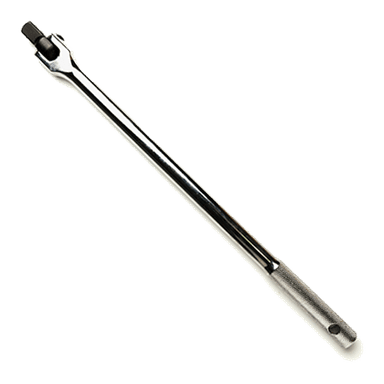
- 1/2" breaker bar
- 3/8" ratchet
- 10mm socket
- 14mm socket
- Torque wrench (10-150 ft-lbs range)
- Trim clip removal tool
- Flat-blade screwdriver
- Work light
- Mechanic gloves
- Safety glasses
🔩 Required Parts
HowToo sells all the parts you need for this repair:
- Serpentine belt - Qty: 1
📋 Before You Begin
- 🅿️ Park on level ground, shift to Park, and set the parking brake.
- 🧱 Chock the rear wheels with wheel chocks.
- 📸 Take a quick photo of the belt routing (or sketch it). This helps a lot during re-install.
- 🔦 Plan for right-front wheel-well access (most common on your Sentra).
🔨 Step-by-Step Instructions
Follow these steps in order:
Step 1: Raise the right-front corner and remove the wheel
- Use a 17mm socket and 1/2" breaker bar to slightly loosen the lug nuts (while the tire is still on the ground).
- Lift the right-front with a floor jack (rated 2-ton minimum), then support it with jack stands (rated 2-ton minimum).
- Remove the lug nuts using the 17mm socket and remove the wheel.
- When reinstalling later: Torque to 113 Nm (83 ft-lbs).
Step 2: Remove the right-front splash shield (inner fender liner)
- Use a trim clip removal tool and flat-blade screwdriver to remove the plastic clips and push-pins.
- If there are small bolts/screws, remove them with a 10mm socket and 3/8" ratchet.
- Pull the liner back enough to clearly see the belt and the tensioner.
- Keep clips together so none get lost.
Step 3: Locate the belt tensioner and release belt tension
- Find the spring-loaded tensioner (it’s the pulley arm that keeps the belt tight).
- Put a 14mm socket on the tensioner pulley bolt (or the tensioner hex, depending on what you see) with a 3/8" ratchet.
- Rotate the tensioner to relieve tension, then slide the belt off the easiest-to-reach smooth pulley.
- Move the tensioner slowly; it snaps back hard.
Step 4: Remove the old belt and compare it to the new belt
- Pull the belt out through the wheel well by hand (use mechanic gloves).
- Lay the old belt next to the new one and confirm the length and rib count match.
- Quick check: inspect pulleys for wobble or roughness by spinning them by hand.
Step 5: Route the new belt
- Route the new belt around the pulleys following your photo/sketch.
- Make sure the ribbed side sits fully into the grooves of ribbed pulleys.
- Leave the belt off one easy pulley last (usually the smooth idler or alternator area) so you can slip it on after releasing the tensioner.
- If ribs aren’t centered, it will squeal or walk off.
Step 6: Apply tension and seat the belt fully
- Use the 14mm socket with the 3/8" ratchet to rotate the tensioner again.
- Slip the belt onto the final pulley, then slowly release the tensioner.
- Visually confirm the belt is seated on every pulley all the way around.
Step 7: Reinstall the splash shield and wheel
- Reposition the liner and reinstall fasteners using the 10mm socket, 3/8" ratchet, trim clip removal tool, and flat-blade screwdriver.
- Reinstall the wheel and snug the lug nuts using the 17mm socket.
- Lower the car, then final-tighten the lug nuts with a torque wrench: Torque to 113 Nm (83 ft-lbs).
✅ After Repair
- 🔍 Before starting, do one last belt check: ribs centered in grooves, no twists.
- 🔑 Start the engine and watch the belt for 20-30 seconds; it should run smooth with no hopping.
- 👂 Listen for squeal/chirp. If present, shut off and re-check belt seating on all pulleys.
- 🛣️ After a short drive, re-check belt alignment through the wheel well.
💰 DIY vs Shop Cost
Shop Cost: $180-$320 (parts + labor)
DIY Cost: $25-$70 (parts only)
You Save: $110-$295 by doing it yourself!
Shop labor rates vary but typically run $100-$150/hour. This repair takes a shop approximately 0.8-1.2 hours.
🎯 Ready to get started?
HowToo makes it easy: same-day/2-day shipping on every part, plus all the tools and specialty tools you need! Check out the parts and tools sections below to add everything to your cart.