












How to Replace the Serpentine Belt on a 2011-2018 Jeep Grand Cherokee (Engine: V6 3.6L)
Step-by-step belt routing, tensioner release, tools, safety tips, and DIY cost guide
How to Replace the Serpentine Belt on a 2011-2018 Jeep Grand Cherokee (Engine: V6 3.6L)
Step-by-step belt routing, tensioner release, tools, safety tips, and DIY cost guide for 2011, 2012, 2013, 2014, 2015, 2016, 2017, 2018


🔧 Grand Cherokee - Serpentine Belt Replacement
The serpentine belt drives important accessories like the alternator, water pump, power steering system, and A/C compressor. On your Grand Cherokee, the belt is released using the automatic belt tensioner, then routed back around the pulleys in the correct pattern.
Difficulty Level: Beginner | Estimated Time: 0.5-1 hour
⚠️ Safety & Precautions
- ⚠️ Work only with the engine fully off and cool.
- ⚠️ Keep fingers, clothing, and tools away from pulleys and the fan area.
- ⚠️ Do not start the engine with the belt removed.
- ⚠️ Disconnecting the battery is not usually required, but keep the key/fob away from the vehicle so nobody can accidentally start it.
- ⚠️ The belt tensioner is spring-loaded. Move it slowly and keep a firm grip on the tool.
🔧 Required Tools
You'll need the following tools for this repair:
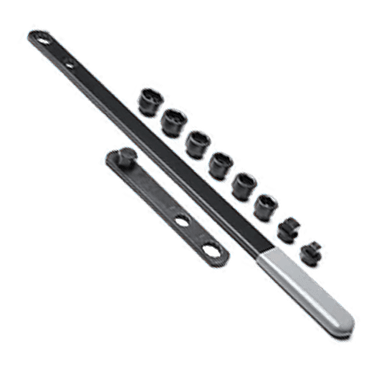
- 3/8-inch drive serpentine belt tool (specialty)
- 3/8-inch drive ratchet
- 15mm socket
- 10mm socket
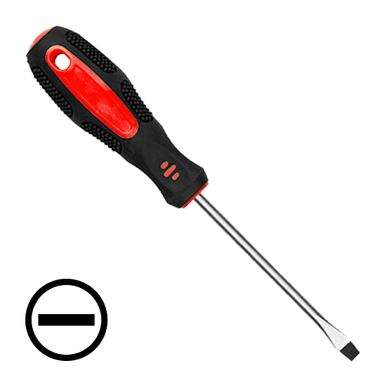
- Flat-blade screwdriver
- Work light
- Safety glasses
- Mechanic gloves
🔩 Required Parts
HowToo sells all the parts you need for this repair:
- Serpentine drive belt - Qty: 1
📋 Before You Begin
- Park your Grand Cherokee on level ground and shift to Park.
- Set the parking brake.
- Let the engine cool completely before reaching near the belt and pulleys.
- Open the hood and locate the belt routing decal near the radiator support or underside of the hood.
- If the decal is missing, take a clear photo of the old belt routing before removal.
- A serpentine belt tool is a long, thin handle used to move the spring-loaded belt tensioner in tight spaces.
🔨 Step-by-Step Instructions
Follow these steps in order:
Step 1: Open the Hood and Find the Belt
- Use the hood release inside the cabin, then open the hood fully.
- Use a work light to look at the front of the engine.
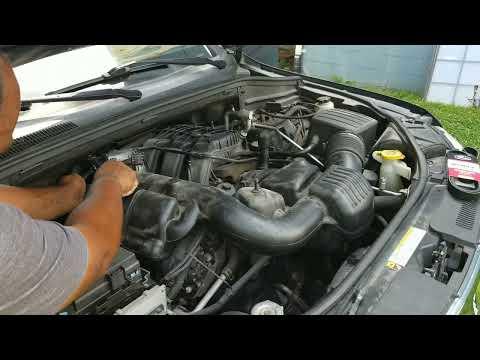
- The serpentine belt is the wide ribbed rubber belt wrapped around several pulleys.
- Look for the belt routing decal before removing anything.
- Take a photo first.
Step 2: Remove the Engine Appearance Cover if Needed
- If the plastic engine cover blocks your view, lift it straight up by hand.
- If any fasteners are installed, use a 10mm socket to remove them.
- Set the cover aside where it will not get stepped on.
Step 3: Inspect the Old Belt Routing
- Use a work light to trace how the belt wraps around each pulley.
- The ribbed side of the belt rides on ribbed pulleys.
- The smooth side of the belt rides on smooth pulleys.
- Compare what you see to the belt routing decal.
Step 4: Locate the Automatic Belt Tensioner
- Use the work light to find the spring-loaded tensioner pulley.
- The tensioner keeps the belt tight automatically.
- On the 5.7L V8, the tensioner is accessed from the front of the engine near the belt drive.
- Look for a pulley mounted on an arm that moves when tool pressure is applied.
Step 5: Release Belt Tension
- Install the 3/8-inch drive serpentine belt tool into the square drive opening on the tensioner, if equipped.
- If your tensioner uses a bolt head instead, use the 15mm socket with the 3/8-inch drive ratchet.
- Slowly rotate the tensioner to relieve belt tension.
- Hold the tensioner steady while keeping your fingers clear of pinch points.
- No torque is used during removal because the tensioner is spring-loaded.
Step 6: Slip the Belt Off One Pulley
- While holding the tensioner released with the serpentine belt tool or 15mm socket, slide the belt off the easiest upper pulley.
- Use your free hand carefully, or use a flat-blade screwdriver only to gently guide the belt if needed.
- Do not pry hard against plastic pulleys or pulley grooves.
- Slowly let the tensioner return to its resting position.
Step 7: Remove the Old Belt
- Pull the belt out from around the remaining pulleys by hand.
- Use the work light to check that no belt pieces are stuck in the pulley grooves.
- Compare the old belt to the new serpentine drive belt for matching length and rib count.
- Same ribs, same length.
Step 8: Inspect the Pulleys Before Installing the New Belt
- Spin the accessible smooth idler pulleys by hand.
- An idler pulley is a pulley that guides the belt but does not power an accessory.
- Listen for grinding, squeaking, or wobbling.
- Use the work light to check pulley grooves for dirt, rubber buildup, or damage.
- If a pulley is noisy or loose, do not install the new belt until the pulley issue is repaired.
Step 9: Route the New Belt Around the Lower Pulleys
- Use the belt routing decal or your photo as the guide.
- Start by routing the new serpentine drive belt around the lower pulleys first.
- Use your hands to seat the ribbed side into the grooved pulleys.
- Make sure the belt is centered on each pulley.
Step 10: Route the Belt Around the Upper Pulleys
- Continue routing the belt around the remaining pulleys by hand.
- Leave one easy-to-reach smooth pulley for last.
- Use the work light to verify the belt ribs are fully seated in every grooved pulley.
- A misaligned belt can shred quickly after startup.
Step 11: Release the Tensioner Again
- Use the 3/8-inch drive serpentine belt tool or 15mm socket to rotate the tensioner again.
- Slide the belt over the final pulley by hand.
- Slowly release the tensioner until it tightens the belt.
- Do not let the tensioner snap back.
Step 12: Verify Belt Alignment
- Use the work light to inspect every pulley from the front of the engine.
- Confirm the belt is centered on smooth pulleys.
- Confirm every rib is seated in the grooves on ribbed pulleys.
- If the belt is off by even one rib, use the serpentine belt tool to release tension and correct it.
Step 13: Reinstall the Engine Cover
- Set the engine cover back into place by hand.
- If fasteners were removed, use the 10mm socket to reinstall them.
- Torque small engine cover fasteners snug only, about 5 Nm (44 in-lbs), if equipped.
Step 14: Start and Observe
- Remove all tools from the engine bay.
- Start the engine and let it idle.
- Use the work light to watch the belt for smooth tracking.
- Listen for squealing, chirping, slapping, or rubbing.
- Shut the engine off immediately if the belt walks off a pulley.
✅ After Repair
- Let the engine idle for 1-2 minutes while watching the belt.
- Turn the steering wheel slightly left and right, then switch the A/C on to add load to the belt system.
- Shut the engine off and recheck belt alignment with the work light.
- After your first short drive, inspect the belt again to make sure it stayed centered.
- No scan tool, programming, or infotainment reset is required for this repair.
💰 DIY vs Shop Cost
Shop Cost: $150-$275 (parts + labor)
DIY Cost: $35-$85 (parts only)
You Save: $115-$190 by doing it yourself!
Shop labor rates vary but typically run $100-$150/hour. This repair takes a shop approximately 0.5-1 hour.
🎯 Ready to get started?
HowToo makes it easy: same-day/2-day shipping on every part, plus all the tools and specialty tools you need! Check out the parts and tools sections below to add everything to your cart.
Guide for Serpentine Belt replace for these Jeep vehicles
| Year Make Model | Sub Model | Engine | Body Style |
|---|---|---|---|
| 2018 Jeep Grand Cherokee | - | V8 5.7L | - |
| 2018 Jeep Grand Cherokee | - | V8 6.4L | - |
| 2018 Jeep Grand Cherokee | - | V6 3.0L | - |
| 2017 Jeep Grand Cherokee | - | V8 5.7L | - |
| 2017 Jeep Grand Cherokee | - | V8 6.4L | - |
| 2017 Jeep Grand Cherokee | - | V6 3.0L | - |
| 2016 Jeep Grand Cherokee | - | V8 5.7L | - |
| 2016 Jeep Grand Cherokee | - | V8 6.4L | - |
| 2016 Jeep Grand Cherokee | - | V6 3.0L | - |
| 2015 Jeep Grand Cherokee | - | V8 5.7L | - |
| 2015 Jeep Grand Cherokee | - | V8 6.4L | - |
| 2015 Jeep Grand Cherokee | - | V6 3.0L | - |
| 2014 Jeep Grand Cherokee | - | V8 5.7L | - |
| 2014 Jeep Grand Cherokee | - | V8 6.4L | - |
| 2014 Jeep Grand Cherokee | - | V6 3.0L | - |
| 2013 Jeep Grand Cherokee | - | V8 5.7L | - |
| 2013 Jeep Grand Cherokee | - | V8 6.4L | - |
| 2012 Jeep Grand Cherokee | - | V8 5.7L | - |
| 2012 Jeep Grand Cherokee | - | V8 6.4L | - |
| 2011 Jeep Grand Cherokee | - | V8 5.7L | - |