
















How to Replace the Serpentine Belt on a 2011-2016 Kia Optima (Step-by-Step Guide) (Engine: Inline 4 2.4L)
Tools, belt routing tips, tensioner release steps, safety checks, and post-install inspection
How to Replace the Serpentine Belt on a 2011-2016 Kia Optima (Step-by-Step Guide) (Engine: Inline 4 2.4L)
Tools, belt routing tips, tensioner release steps, safety checks, and post-install inspection for 2011, 2012, 2013, 2014, 2015, 2016


🔧 Optima - Serpentine Belt Replacement
The serpentine belt drives key engine accessories. Replacing it is mostly about safely relieving the belt tensioner, swapping the belt, and confirming the routing is correct before you start the engine.
Difficulty Level: Intermediate | Estimated Time: 0.5-1.5 hours
⚠️ Safety & Precautions
- ⚠️ Make sure the car is OFF (not in READY) and keep the key/fob away from the car while your hands are near the belt.
- ⚠️ Keep fingers, hair, and loose clothing away from pulleys and the cooling fan area.
- ⚠️ Let the engine cool before working near the radiator/engine bay.
- ⚠️ Hybrid precaution: do not touch orange high-voltage cables or connectors.
- ⚠️ Battery disconnect is not required for this job, but it’s okay to disconnect the 12V negative terminal if you want extra safety.
🔧 Required Tools
You'll need the following tools for this repair:
- Safety glasses
- Mechanic gloves
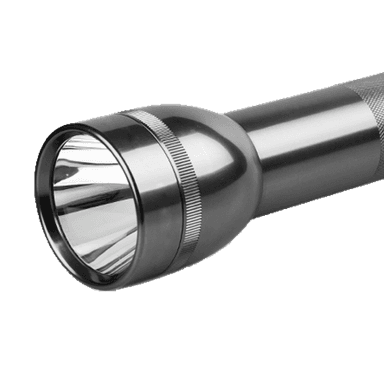
- Flashlight
- 14mm socket
- 3/8" drive ratchet
- 3/8" drive breaker bar
- 3/8" drive extension set
- Trim clip tool
- 10mm socket
🔩 Required Parts
HowToo sells all the parts you need for this repair:
- Serpentine belt - Qty: 1
📋 Before You Begin
- Park on level ground, shift to Park, and set the parking brake.
- Open the hood and let the engine cool.
- Find the belt routing diagram (usually on a sticker in the engine bay). If it’s missing, take a clear photo of the current belt routing before removal.
- If equipped with a plastic engine cover, remove it for access (a trim clip tool helps pop push-clips without breaking them).
🔨 Step-by-Step Instructions
Follow these steps in order:
Step 1: Create access to the belt area
- Use a flashlight to locate the serpentine belt, pulleys, and the belt tensioner.
- If a plastic engine cover is in the way, remove it using a 10mm socket (if bolted) or a trim clip tool (if clipped).
- Take a routing photo before touching anything.
- Torque: Not applicable (no critical fasteners required for belt removal).
Step 2: Locate the belt tensioner
- The tensioner is a spring-loaded arm that keeps the belt tight.
- Use a flashlight to find the tensioner’s hex feature (commonly a bolt head you can turn to release tension).
- Spring-loaded means it pushes back strongly.
- Torque: Not applicable.
Step 3: Relieve belt tension
- Place a 14mm socket on the tensioner hex, then attach a 3/8" drive ratchet or 3/8" drive breaker bar.
- Slowly rotate the tensioner to relieve tension (it will feel strong because of the spring).
- Hold the tensioner in the released position while you slip the belt off one easy-to-reach smooth pulley (often an idler pulley).
- Carefully let the tensioner return to its resting position slowly.
- Torque: Not applicable.
Step 4: Remove the old belt
- With the belt loose, remove it from the remaining pulleys by hand.
- Inspect the old belt for cracks, missing ribs, glazing (shiny spots), or fraying—these confirm replacement was needed.
- Torque: Not applicable.
Step 5: Compare the new belt to the old belt
- Lay both belts side-by-side to confirm the rib count and overall length match.
- If the new belt looks different, do not install it.
- Torque: Not applicable.
Step 6: Route the new belt on the pulleys
- Route the belt using the under-hood diagram or your photo.
- Make sure the belt ribs sit fully into the grooved pulleys (ribbed pulleys) and the belt runs centered on smooth pulleys.
- Leave the easiest pulley for last (the one you’ll slip on while the tensioner is released).
- Torque: Not applicable.
Step 7: Re-apply tension and finish installation
- Use the 14mm socket with the 3/8" drive breaker bar (or 3/8" drive ratchet) to rotate the tensioner again.
- Slip the belt fully onto the last pulley, then slowly release the tensioner.
- Visually confirm the belt is seated on every pulley and is not riding on the edge.
- If one rib is off, fix it now.
- Torque: Not applicable.
Step 8: Reinstall any covers you removed
- Reinstall the engine cover using the 10mm socket (if applicable) or press clips back in by hand.
- Torque: Not applicable.
✅ After Repair
- Start the car and let the engine run while you watch the belt for 30-60 seconds.
- Listen for squealing, chirping, or slapping noises (usually means misrouting or the belt not seated in grooves).
- Turn the car OFF and re-check belt seating on every pulley with a flashlight.
- If any warning lights appear, shut it down and re-check routing and belt alignment.
💰 DIY vs Shop Cost
Shop Cost: $180-$350 (parts + labor)
DIY Cost: $25-$70 (parts only)
You Save: $110-$325 by doing it yourself!
Shop labor rates vary but typically run $100-$150/hour. This repair takes a shop approximately 0.7-1.2 hours.
🎯 Ready to get started?
HowToo makes it easy: same-day/2-day shipping on every part, plus all the tools and specialty tools you need! Check out the parts and tools sections below to add everything to your cart.
Guide for Serpentine Belt replace for these Kia vehicles
| Year Make Model | Sub Model | Engine | Body Style |
|---|---|---|---|
| 2016 Kia Optima | - | Inline 4 2.4L | - |
| 2015 Kia Optima | - | Inline 4 2.4L | - |
| 2014 Kia Optima | - | Inline 4 2.4L | - |
| 2013 Kia Optima | - | Inline 4 2.4L | - |
| 2012 Kia Optima | - | Inline 4 2.4L | - |
| 2011 Kia Optima | - | Inline 4 2.4L | - |