













How to Replace the Serpentine Belt on a 2010-2017 Chevrolet Equinox 2.4L (Engine: Inline 4 2.4L)
Step-by-step DIY belt replacement with tools, parts list, torque specs, safety tips, and cost savings
How to Replace the Serpentine Belt on a 2010-2017 Chevrolet Equinox 2.4L (Engine: Inline 4 2.4L)
Step-by-step DIY belt replacement with tools, parts list, torque specs, safety tips, and cost savings for 2010, 2011, 2012, 2013, 2014, 2015, 2016, 2017


🔧 Equinox - Serpentine Belt Replacement
The serpentine belt on your Equinox drives the alternator, A/C compressor, and other accessories. When it gets cracked, noisy, or glazed, it should be replaced to avoid a sudden breakdown.
Difficulty Level: Beginner | Estimated Time: 1-1.5 hours
⚠️ Safety & Precautions
- 🛑 Make sure the engine is completely off and the key is out of the ignition.
- 🛑 Let the engine cool fully before working; hot parts can burn you.
- 🛑 Keep hands, hair, and clothing away from any moving parts; never start the engine with tools in the engine bay.
- 🛑 Set the parking brake and keep the vehicle on level ground.
- 🛑 You do not need to disconnect the battery for this job, but do not press the start button or turn the key while working.
🔧 Required Tools
You'll need the following tools for this repair:
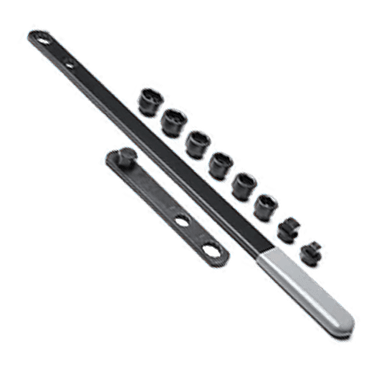
- 🛠️ Serpentine belt tool set (long handle with adapters) (specialty)
- 🛠️ 3/8" drive ratchet
- 🛠️ 15mm shallow socket
- 🛠️ 10mm socket
- 🛠️ 1/4" drive ratchet
- 🛠️ Plastic trim removal tool
- 🛠️ Flathead screwdriver (medium)
- 🛠️ Torque wrench (5-60 ft-lbs range)
- 🛠️ Fender cover or clean towel
- 🛠️ Work light or flashlight
- 🛠️ Mechanic gloves
- 🛠️ Safety glasses
🔩 Required Parts
HowToo sells all the parts you need for this repair:
- 🔩 Serpentine belt (accessory drive belt) for 2.4L - Qty: 1
- 🔩 Drive belt tensioner assembly - Qty: 1 (optional but recommended if original or noisy)
- 🔩 Idler pulley - Qty: 1 (optional if pulley is rough or noisy)
- 🔩 Dielectric grease (small tube) - Qty: 1 (optional for any electrical connectors you unplug)
📋 Before You Begin
- 🧾 Park the Equinox on a flat surface, shift to Park, and set the parking brake.
- 🧾 Open the hood and prop it securely.
- 🧾 Locate the belt routing diagram decal under the hood. If missing, take a clear photo of the belt before removing it.
- 🧾 A serpentine belt tool is a long, slim wrench that gives extra reach in tight spaces to move the belt tensioner.
🔨 Step-by-Step Instructions
Follow these steps in order:
Step 1: Prepare the work area
- Remove any loose items from around the front of the Equinox.
- Put on your safety glasses and mechanic gloves.
- Place a fender cover or clean towel over the front fender to avoid scratches.
Step 2: Remove the upper engine cover (if equipped)
- Use a 10mm socket and 1/4" drive ratchet to remove any bolts holding the plastic engine cover (some covers just pull up off rubber grommets).
- Lift the cover straight up and set it aside.
- Keep bolts in a small container
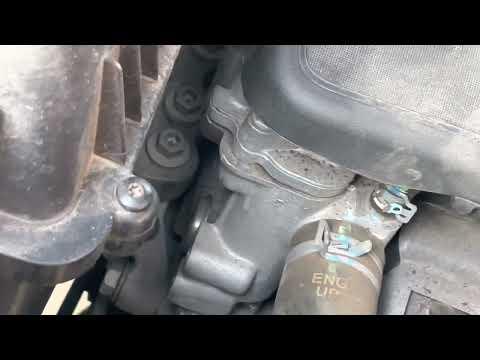
Step 3: Locate the serpentine belt and tensioner
- Use your work light to look down the passenger side of the engine bay.
- The long rubber belt that snakes around multiple pulleys is the serpentine belt.
- The belt tensioner is a spring-loaded pulley with a 15mm hex area for a wrench or a bolt head near its center.
Step 4: Study or create a belt routing diagram
- Look for the factory routing sticker under the hood.
- If it’s missing, use your phone to take a clear photo of the belt path from different angles.
- Optionally, draw a simple sketch showing how the belt wraps around each pulley.
- This saves huge headaches during reassembly
Step 5: Relieve tension from the belt
- Install a 15mm socket on your serpentine belt tool (or on a long 3/8" drive ratchet if space allows).
- Place the socket on the hex of the tensioner.
- Rotate the tensioner slowly in the direction that loosens the belt (usually clockwise when viewed from the front on this engine).
- Move smoothly; the spring is strong
- While holding the tensioner, slide the belt off one easy-to-reach smooth pulley (usually the idler or alternator pulley).
- Gently release the tensioner back to its resting position with the tool.
Step 6: Remove the old belt
- Now that it’s free from one pulley, pull the belt off the remaining pulleys by hand.
- Note which pulleys are smooth (no grooves) and which are grooved; the flat side of the belt runs on smooth pulleys, ribbed side runs in the grooved pulleys.
- Completely remove the old belt from the engine bay.
Step 7: Inspect pulleys and tensioner
- Spin each accessible pulley (idler, tensioner, alternator) by hand.
- If you feel roughness, grinding, or hear noise, that pulley should be replaced.
- Try to rock the tensioner pulley front-to-back; excessive play means the tensioner should be replaced.
- If you’re replacing the tensioner: use a 15mm socket and 3/8" drive ratchet to remove its mounting bolt, then install the new one and tighten to 50 Nm (37 ft-lbs) with a torque wrench.
- Fix worn pulleys now while access is easy
Step 8: Compare old and new belts
- Lay the old belt and new belt side-by-side on the ground.
- Confirm they are the same length, width, and rib count.
- Slight stretch on the old belt is normal, but they should be very close in size.
Step 9: Route the new belt (lower pulleys first)
- Use your routing diagram or photo as a guide.
- Start by looping the new belt around the lowest and most difficult-to-reach pulleys first (like the crankshaft pulley at the bottom).
- Make sure the ribs of the belt sit perfectly in the grooves of each grooved pulley.
- Leave the easiest-access smooth pulley (often the idler) for last; this will be where you slip the belt on once the tensioner is moved.
Step 10: Apply tension and install belt on final pulley
- Double-check the belt is on every pulley except the final one, and that the ribs are seated correctly.
- Place the 15mm socket and serpentine belt tool back on the tensioner.
- Rotate the tensioner again in the loosening direction (usually clockwise).
- With your other hand, slide the belt over the final smooth pulley.
- Slowly release the tensioner so the belt tightens.
- Fingers clear before releasing tensioner
Step 11: Final belt alignment check
- Visually inspect each pulley from above and, if possible, from below.
- Confirm the belt ribs are fully in the grooves on every grooved pulley and centered on smooth pulleys.
- Make sure the belt isn’t twisted anywhere.
Step 12: Reinstall engine cover
- Place the engine cover back into position.
- If it uses bolts, install them with the 10mm socket and 1/4" drive ratchet and snug them to about 8-10 Nm (6-7 ft-lbs) using your torque wrench if possible.
- Do not overtighten; these go into plastic.
✅ After Repair
- ✅ Remove all tools and lights from the engine bay.
- ✅ Start the engine and let it idle while you watch the belt from a safe distance.
- ✅ Check that the belt runs smoothly, without wobble or wandering off any pulley.
- ✅ Listen for squeaks, chirps, or grinding; if you hear any, shut off the engine and recheck pulley condition and belt routing.
- ✅ After a short test drive (5-10 minutes), recheck belt alignment and tension by sight.
💰 DIY vs Shop Cost
Shop Cost: $180-$260 (parts + labor)
DIY Cost: $25-$80 (belt only, or belt + tensioner)
You Save: $100-$200 by doing it yourself!
Shop labor rates vary but typically run $100-$150/hour. This repair takes a shop approximately 0.7-1.0 hours.
🎯 Ready to get started?
HowToo makes it easy: same-day/2-day shipping on every part, plus all the tools and specialty tools you need! Check out the parts and tools sections above to add everything to your cart.
Guide for Serpentine Belt replace for these Chevrolet vehicles
| Year Make Model | Sub Model | Engine | Body Style |
|---|---|---|---|
| 2017 Chevrolet Equinox | - | Inline 4 2.4L | - |
| 2016 Chevrolet Equinox | - | Inline 4 2.4L | - |
| 2015 Chevrolet Equinox | - | Inline 4 2.4L | - |
| 2014 Chevrolet Equinox | - | Inline 4 2.4L | - |
| 2013 Chevrolet Equinox | - | Inline 4 2.4L | - |
| 2012 Chevrolet Equinox | - | Inline 4 2.4L | - |
| 2012 Chevrolet Equinox | - | V6 3.0L | - |
| 2011 Chevrolet Equinox | - | Inline 4 2.4L | - |
| 2011 Chevrolet Equinox | - | V6 3.0L | - |
| 2010 Chevrolet Equinox | - | Inline 4 2.4L | - |
| 2010 Chevrolet Equinox | - | V6 3.0L | - |