














How to Replace the Serpentine Belt on a 2009-2019 Toyota Highlander (Engine: Inline 4 2.7L)
Step-by-step DIY guide with belt routing, tools, safety tips, and inspection checks for 2009, 2010, 2011, 2012, 2013, 2014, 2015, 2016, 2017, 2018, 2019
How to Replace the Serpentine Belt on a 2009-2019 Toyota Highlander (Engine: Inline 4 2.7L)
Step-by-step DIY guide with belt routing, tools, safety tips, and inspection checks for 2009, 2010, 2011, 2012, 2013, 2014, 2015, 2016, 2017, 2018, 2019


🔧 Highlander - Serpentine Belt Replacement
The serpentine belt drives important accessories on your Highlander, including the alternator, A/C compressor, and water pump-related accessory drive components. Replacing it means relieving the belt tension, removing the old belt, routing the new belt correctly, and checking that it sits fully in each pulley groove.
Difficulty Level: Beginner | Estimated Time: 0.5-1 hour
⚠️ Safety & Precautions
- ⚠️ Work only with the engine completely off and cool.
- ⚠️ Keep fingers, sleeves, and tools away from pulleys and the belt path.
- ⚠️ Do not start the engine until the new belt is fully seated on every pulley.
- ⚠️ Battery disconnect is not normally required for this belt replacement, but keep the ignition off and the key away from the vehicle while working.
- ⚠️ If the old belt shredded, inspect all pulley grooves carefully before installing the new belt.
🔧 Required Tools
You'll need the following tools for this repair:
- 14mm socket
- 3/8-inch drive ratchet
- 3/8-inch drive long-handle breaker bar
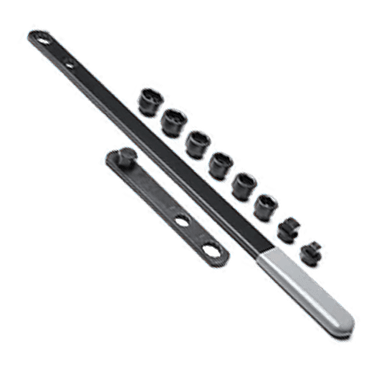
- Serpentine belt tool (specialty)
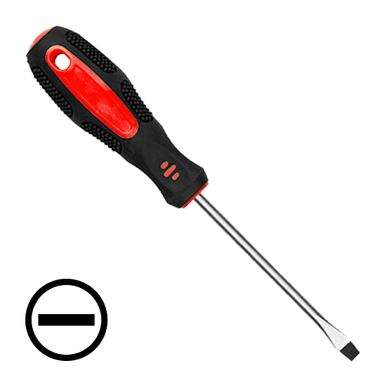
- Flathead screwdriver
- Work light
- Safety glasses
- Mechanic gloves
🔩 Required Parts
HowToo sells all the parts you need for this repair:
- Serpentine drive belt - Qty: 1
📋 Before You Begin
- Park your Highlander on level ground.
- Shift to Park and set the parking brake.
- Open the hood and support it securely.
- Let the engine cool fully before reaching near the belt or pulleys.
- Take a clear photo of the belt routing before removal. This helps if the under-hood routing label is missing.
- The belt tensioner is a spring-loaded arm that keeps the belt tight automatically.
- A serpentine belt tool is a long, thin tool used to move the tensioner when space is tight.
🔨 Step-by-Step Instructions
Follow these steps in order:
Step 1: Locate the Belt Routing
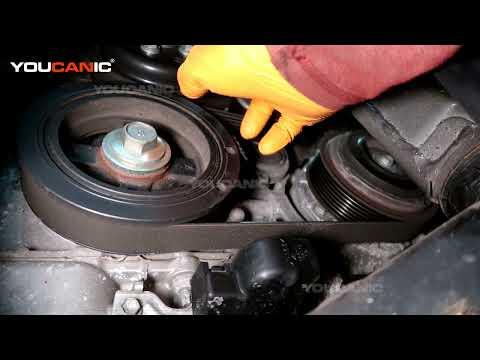
- Use a work light to inspect the front passenger side of the engine bay where the belt runs around the pulleys.
- Look for the belt routing decal under the hood or near the radiator support.
- If the decal is missing, use your phone to take a photo of the current belt path before removal.
- Photo first, wrench second.
Step 2: Inspect the Old Belt and Pulleys
- Use a work light to check the belt for cracks, missing ribs, glazing, fraying, or oil contamination.
- Use mechanic gloves and gently feel along the belt surface only with the engine off.
- Use a flathead screwdriver carefully to remove any small belt debris from pulley grooves if needed.
- Do not pry against plastic pulley surfaces.
Step 3: Find the Automatic Belt Tensioner
- Use a work light to locate the automatic tensioner pulley on the belt path.
- The tensioner has a smooth pulley and a spring-loaded arm.
- On your Highlander, use a 14mm socket on the tensioner pulley bolt area to rotate the tensioner and release belt tension.
Step 4: Release Belt Tension
- Install the 14mm socket on the tensioner.
- Attach a 3/8-inch drive long-handle breaker bar or serpentine belt tool to the socket.
- Slowly rotate the tensioner to relieve pressure on the belt.
- Hold the tensioner steady while you slide the belt off the easiest smooth pulley.
- Do not remove the tensioner bolt. You are only rotating the tensioner arm.
- Move slowly. The spring is strong.
Step 5: Remove the Old Belt
- With tension released, use your gloved hand to slide the belt off one pulley.
- Slowly let the tensioner return to its resting position using the 3/8-inch drive long-handle breaker bar or serpentine belt tool.
- Remove the old belt from the remaining pulleys by hand.
- Compare the old belt to the new serpentine drive belt to confirm length and rib count match.
Step 6: Check Pulley Condition
- Use a work light to inspect each pulley groove.
- Spin the accessible idler and tensioner pulleys by hand while wearing mechanic gloves.
- They should spin smoothly without grinding, wobbling, or rough noise.
- If a pulley is noisy or loose, replace it before installing the new belt.
Step 7: Route the New Belt
- Route the new serpentine drive belt around the pulleys using your photo or the routing decal.
- Make sure the ribbed side of the belt sits in grooved pulleys.
- Make sure the smooth side of the belt rides on smooth pulleys.
- Leave the easiest smooth pulley for last so the belt can slip on when tension is released.
- Ribs must sit fully in grooves.
Step 8: Reapply Tension and Seat the Belt
- Use the 14mm socket with the 3/8-inch drive long-handle breaker bar or serpentine belt tool to rotate the tensioner again.
- Slide the belt over the final pulley by hand.
- Slowly release the tensioner until it applies pressure to the belt.
- There are no belt fastener torque specs for this step because the tensioner is spring-loaded and no bolts are removed.
Step 9: Verify Belt Alignment
- Use a work light to check every pulley.
- Confirm the belt is centered and every rib is seated in the pulley grooves.
- If the belt is hanging off even one groove, use the 14mm socket and 3/8-inch drive long-handle breaker bar to release tension and reseat it.
- Do not start the engine until alignment is correct.
Step 10: Start and Observe
- Remove all tools from the engine bay.
- Start the engine and let it idle while you watch the belt from a safe distance.
- Use a work light to confirm the belt runs straight with no wobble, squeal, or jumping.
- Shut the engine off immediately if the belt walks off a pulley or makes a loud noise.
✅ After Repair
- ✅ Let the engine idle for 1-2 minutes and listen for squealing, chirping, or grinding.
- ✅ Turn the A/C on and watch that the belt continues to run smoothly.
- ✅ Shut the engine off and recheck belt seating after the first short run.
- ✅ After a short drive, inspect the belt again to confirm it has not shifted.
- ✅ If squealing remains, inspect the tensioner, idler pulley, and accessory pulleys for wear or misalignment.
💰 DIY vs Shop Cost
Shop Cost: $150-$280 (parts + labor)
DIY Cost: $25-$60 (parts only)
You Save: $125-$220 by doing it yourself!
Shop labor rates vary but typically run $100-$150/hour. This repair takes a shop approximately 0.5-1 hour.
🎯 Ready to get started?
HowToo makes it easy: same-day/2-day shipping on every part, plus all the tools and specialty tools you need! Check out the parts and tools sections below to add everything to your cart.