













How to Replace the Serpentine Belt on a 2008 Jeep Wrangler (Step-by-Step Guide)
Tools, belt routing tips, tensioner release steps, safety precautions, and post-install checks
How to Replace the Serpentine Belt on a 2008 Jeep Wrangler (Step-by-Step Guide)
Tools, belt routing tips, tensioner release steps, safety precautions, and post-install checks


🔧 Wrangler - Serpentine Belt Replacement
The serpentine belt drives key accessories like the alternator, power steering pump, and A/C compressor. If it’s cracked, glazed, noisy, or slipping, replacing it helps prevent breakdowns and charging/steering issues.
Difficulty Level: Beginner | Estimated Time: 0.5-1.0 hours
⚠️ Safety & Precautions
- ⚠️ Work on a cool engine; keep hands away from hot pulleys and the radiator fan area.
- ⚠️ Key out of the ignition; never work near the belt with the engine running.
- ⚠️ Keep fingers clear of the belt tensioner while releasing tension (it’s spring-loaded).
- ⚠️ Battery disconnect is not required, but avoid leaning tools across battery terminals.
🔧 Required Tools
You'll need the following tools for this repair:
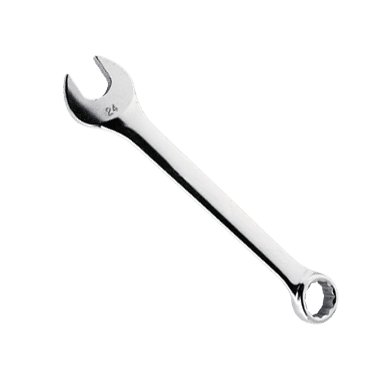
- 15mm combination wrench
- 3/8" drive ratchet
- 15mm socket
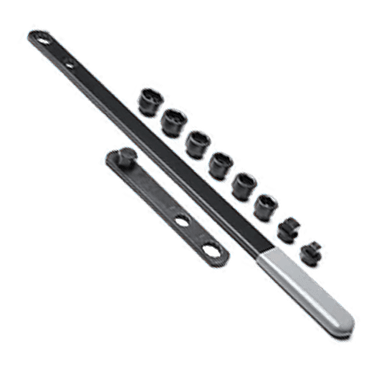
- Serpentine belt tool (specialty)
- Flashlight
- Mechanic gloves
- Safety glasses
🔩 Required Parts
HowToo sells all the parts you need for this repair:
- Serpentine belt - Qty: 1
📋 Before You Begin
- Park on level ground, set the parking brake, and leave the transmission in gear.
- Open the hood and find the belt routing diagram (usually on a sticker in the engine bay). If it’s missing, take a clear photo or draw a quick sketch before removing the belt.
- Have your flashlight ready so you can confirm the belt is seated in every pulley groove.
🔨 Step-by-Step Instructions
Follow these steps in order:
Step 1: Verify the belt routing
- Use a flashlight to locate the routing decal and identify the belt tensioner (the spring-loaded pulley that keeps the belt tight).
- Tip: A quick phone photo saves headaches.
Step 2: Relieve tension from the belt tensioner
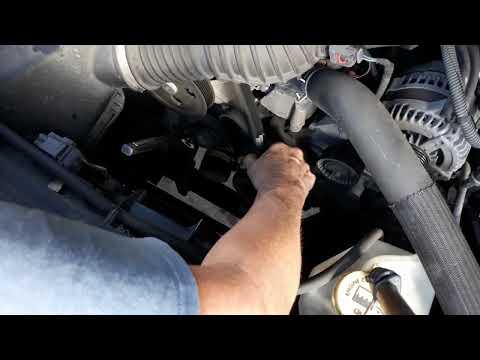
- Place a 15mm socket on the tensioner bolt using a 3/8" drive ratchet (or use a 15mm combination wrench).
- Rotate the tensioner to release tension. Keep steady pressure—don’t let it snap back.
- If access is tight, use a serpentine belt tool (specialty) (a long, thin handle made for reaching the tensioner safely).
Step 3: Remove the old belt
- While holding the tensioner released with your 15mm socket and 3/8" drive ratchet, slip the belt off the easiest-to-reach smooth pulley (often the idler or alternator area).
- Slowly let the tensioner return to its resting position (control it—don’t drop it).
- Pull the belt out of the engine bay.
Step 4: Inspect pulleys quickly (important)
- Spin each easy-to-reach pulley by hand and look for wobble or roughness; use a flashlight to check for damaged ribs or a bent pulley.
- If a pulley is noisy/rough, the belt may fail again quickly.
Step 5: Route the new belt
- Route the new belt following the underhood diagram. Use your flashlight to make sure the belt ribs sit fully in the ribbed pulleys.
- Leave one easy pulley for last (the one you’ll slip the belt over when the tensioner is released).
Step 6: Apply tension and seat the belt
- Use the 15mm socket with the 3/8" drive ratchet to rotate the tensioner again.
- Slip the belt over the last pulley, then slowly release the tensioner.
- Use a flashlight to confirm the belt is centered on every pulley and fully seated in every groove.
✅ After Repair
- Start the engine and let it idle for 20–30 seconds while you watch the belt track smoothly (no wandering, hopping, or squealing).
- Shut the engine off and re-check belt seating with a flashlight.
- If you hear squeal right away, the belt is often mis-routed or not seated in the grooves.
💰 DIY vs Shop Cost
Shop Cost: $120-$220 (parts + labor)
DIY Cost: $25-$60 (parts only)
You Save: $95-$160 by doing it yourself!
Shop labor rates vary but typically run $100-$150/hour. This repair takes a shop approximately 0.5-1.0 hours.
🎯 Ready to get started?
HowToo makes it easy: same-day/2-day shipping on every part, plus all the tools and specialty tools you need! Check out the parts and tools sections below to add everything to your cart.