














How to Replace the Serpentine Belt on a 2008-2010 Jeep Grand Cherokee (Engine: V8 4.7L)
Step-by-step belt routing, tensioner release tips, required tools/parts, and final alignment checks
How to Replace the Serpentine Belt on a 2008-2010 Jeep Grand Cherokee (Engine: V8 4.7L)
Step-by-step belt routing, tensioner release tips, required tools/parts, and final alignment checks for 2008, 2009, 2010


🔧 Grand Cherokee - Serpentine Belt Replacement
The serpentine belt drives accessories like the alternator, power steering pump, A/C compressor, and water pump. Replacing it is mostly about safely releasing the spring-loaded tensioner, swapping the belt, and routing it correctly.
Difficulty Level: Beginner | Estimated Time: 0.5-1.0 hours
⚠️ Safety & Precautions
- ⚠️ Keep fingers clear of the belt and pulleys while releasing the tensioner (it is spring-loaded and snaps back hard).
- ⚠️ Work on a cool engine; keep hands away from hot radiator hoses and the fan area.
- ⚠️ Remove the key from the ignition so the engine can’t be started accidentally.
- ⚠️ Battery disconnect is not required for this job, but avoid touching the alternator terminals with tools.
🔧 Required Tools
You'll need the following tools for this repair:
- 15mm socket
- 3/8" drive ratchet
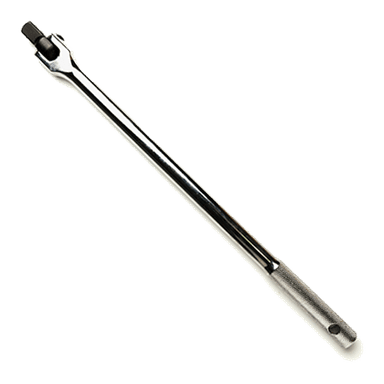
- 3/8" drive breaker bar (18"-24")
- 3/8" drive extension set (3"-6")
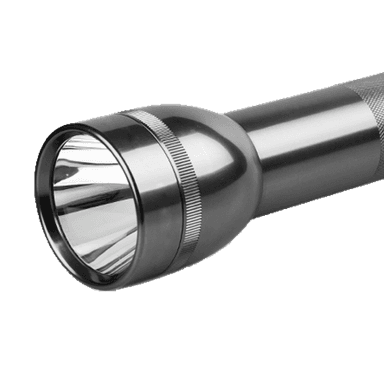
- Flashlight
- Mechanic gloves
- Safety glasses
🔩 Required Parts
HowToo sells all the parts you need for this repair:
- Serpentine belt (6-rib, correct length for your accessory drive) - Qty: 1
- Automatic belt tensioner (if pulley is noisy/wobbly) - Qty: 1
- Idler pulley (if pulley is noisy/wobbly) - Qty: 1
📋 Before You Begin
- Park on level ground and set the parking brake.
- Open the hood and use a flashlight to find the belt routing diagram (usually on the radiator support/underhood area).
- If the routing sticker is missing, take a clear photo of the current belt path before removing it.
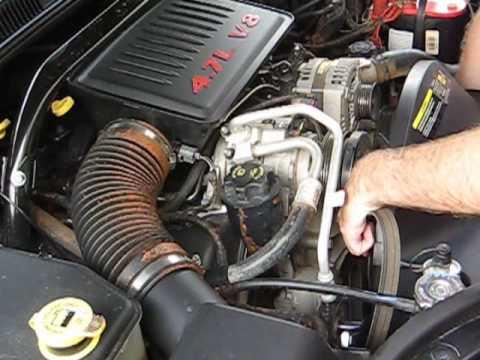
- Know what the “tensioner” is: it’s a spring-loaded arm with a pulley that keeps the belt tight.
🔨 Step-by-Step Instructions
Follow these steps in order:
Step 1: Locate the belt tensioner
- Use a flashlight and find the tensioner pulley (smooth pulley on a spring-loaded arm).
- Identify the bolt head in the center of the tensioner pulley where you’ll place the 15mm socket.
Step 2: Relieve belt tension
- Install the 15mm socket on a 3/8" drive breaker bar (use a 3/8" drive extension set (3"-6") if needed for reach).
- Place the socket onto the tensioner pulley center bolt.
- Pull the breaker bar to rotate the tensioner and loosen the belt. Move it slowly and steadily.
- While holding the tensioner in the released position, slide the belt off one easy-to-reach pulley (often the alternator pulley) by hand with mechanic gloves.
Step 3: Remove the old belt
- Carefully let the tensioner return to its resting position (don’t let it snap back).
- Remove the belt from the remaining pulleys by hand.
- Use the flashlight to inspect pulleys for cracks, wobble, or rough/noisy spinning.
Step 4: Route the new belt
- Match the new belt to the old one (same rib count and similar length) before installing.
- Route the new belt following the underhood routing diagram, leaving one pulley for last (the easiest “last pulley” is usually a smooth idler/tensioner pulley).
- Make sure the belt ribs sit fully in the grooved pulleys (no ribs hanging off). Crooked ribs = instant belt damage.
Step 5: Reapply tension and seat the belt
- Use the 15mm socket and 3/8" drive breaker bar to rotate the tensioner again.
- Slip the belt onto the final pulley while holding the tensioner released.
- Slowly release the tensioner so it tightens the belt.
Step 6: Final alignment check
- Use the flashlight and inspect every pulley face to confirm the belt is centered and fully seated.
- If the belt is off by even 1 rib on any pulley, use the 15mm socket and breaker bar to relieve tension and correct it.
✅ After Repair
- Start the engine and watch the belt for 15–30 seconds (keep hands/tools clear).
- Listen for squealing, chirping, or slapping noises; shut off and re-check routing if you hear anything abnormal.
- Take a short test drive, then do one more quick visual check under the hood.
💰 DIY vs Shop Cost
Shop Cost: $150-$280 (parts + labor)
DIY Cost: $30-$80 (parts only)
You Save: $120-$200 by doing it yourself!
Shop labor rates vary but typically run $100-$150/hour. This repair takes a shop approximately 0.5-1.0 hours.
🎯 Ready to get started?
HowToo makes it easy: same-day/2-day shipping on every part, plus all the tools and specialty tools you need! Check out the parts and tools sections below to add everything to your cart.
Guide for Serpentine Belt replace for these Jeep vehicles
| Year Make Model | Sub Model | Engine | Body Style |
|---|---|---|---|
| 2010 Jeep Grand Cherokee | - | V6 3.7L | - |
| 2009 Jeep Grand Cherokee | - | V6 3.7L | - |
| 2009 Jeep Grand Cherokee | - | V8 4.7L | - |
| 2008 Jeep Grand Cherokee | - | V6 3.7L | - |
| 2008 Jeep Grand Cherokee | - | V8 4.7L | - |