














How to Replace the Serpentine Belt on a 2007-2011 Jeep Wrangler (Step-by-Step Guide) (Engine: V6 3.8L)
Tools, belt routing tips, safety precautions, and installation checks to stop squeals and restore accessory drive
How to Replace the Serpentine Belt on a 2007-2011 Jeep Wrangler (Step-by-Step Guide) (Engine: V6 3.8L)
Tools, belt routing tips, safety precautions, and installation checks to stop squeals and restore accessory drive for 2007, 2008, 2009, 2010, 2011


🔧 Wrangler - Serpentine Belt Replacement
The serpentine belt runs your A/C, alternator (battery charging), power steering, and more. On your Wrangler, you replace it by rotating the automatic belt tensioner (a spring-loaded pulley that keeps the belt tight), swapping the belt, then confirming the belt is seated in every pulley groove.
Difficulty Level: Beginner | Estimated Time: 0.5-1.0 hours
⚠️ Safety & Precautions
- ⚠️ Work on a cool engine; keep hands clear of the fan and pulleys.
- ⚠️ Remove the key and keep it in your pocket so nobody can start it.
- ⚠️ Disconnect the negative battery cable if you want maximum safety around rotating parts.
- ⚠️ Release the tensioner slowly—spring force can pinch fingers.
🔧 Required Tools
You'll need the following tools for this repair:
- 15mm socket
- 3/8" drive ratchet
- 3/8" drive breaker bar (18"-24")
- 3/8" drive extension (6")
- Serpentine belt tool (specialty)
- Flashlight
- Trim clip tool
- Work gloves
- Safety glasses
🔩 Required Parts
HowToo sells all the parts you need for this repair:
- Serpentine belt - Qty: 1
📋 Before You Begin
- Park on level ground, set the parking brake, and put the transmission in neutral.
- Open the hood and use a flashlight to find the belt routing diagram (often on the fan shroud/under-hood area). If it’s missing, take a clear photo of the current routing before removal.
- If you choose to disconnect the battery: use the proper wrench for the terminal and remove the negative cable first, then tuck it aside so it can’t spring back.
🔨 Step-by-Step Instructions
Follow these steps in order:
Step 1: Get access and inspect the belt path
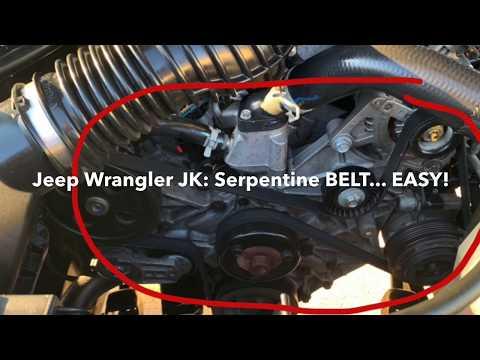
- Use a flashlight and locate all pulleys (alternator, A/C, power steering, idlers, crank pulley).
- If any lower plastic splash shield is in the way, remove its clips using a trim clip tool.
- Take a photo now—big time saver.
Step 2: Relieve belt tension (rotate the tensioner)
- Put a 15mm socket on the belt tensioner’s hex/boss and attach a 3/8" drive ratchet (or breaker bar for more leverage).
- Rotate the tensioner to loosen the belt. (This is the spring-loaded arm; it will fight you.)
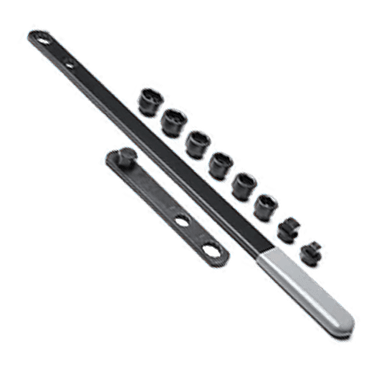
- If space is tight, use the serpentine belt tool (specialty) (a thin, long handled tool made for turning the tensioner in tight engine bays).
- No torque specs required for this step because you are not removing any bolts—only rotating the tensioner.
Step 3: Slip the old belt off one top pulley
- While holding the tensioner rotated with your 15mm socket and breaker bar, slide the belt off an easy-to-reach pulley (typically a smooth idler or the alternator pulley).
- Slowly let the tensioner return to its rest position. Do not let it snap back.
Step 4: Remove the old belt completely
- Pull the belt out of the remaining pulleys by hand.
- Compare the old belt to the new belt (length and rib count should match).
Step 5: Route the new belt on all pulleys (leave one for last)
- Using your photo/diagram, route the new belt around the crank pulley and other accessories.
- Make sure the ribbed side sits in ribbed pulleys and the smooth side rides on smooth pulleys.
- Leave the easiest top pulley for last (so you can slip it on while the tensioner is released).
- If one rib is off, it will shred fast.
Step 6: Re-apply tension and seat the belt
- Rotate the tensioner again using the 15mm socket and breaker bar.
- Slip the belt onto the last pulley, then slowly release the tensioner.
- Use your flashlight to check every pulley: the belt must be centered and fully seated in every groove.
Step 7: Reinstall any shields you removed
- If you removed any splash shield clips, reinstall them by hand and press them in using the trim clip tool.
✅ After Repair
- Start the engine and watch the belt for 20-30 seconds. It should run straight with no hopping, squeal, or wandering.
- Turn the steering wheel slightly and switch the A/C on to load the belt. Listen for chirps/squeals.
- Shut the engine off and do one last groove-by-groove check with a flashlight.
💰 DIY vs Shop Cost
Shop Cost: $120-$220 (parts + labor)
DIY Cost: $30-$70 (parts only)
You Save: $90-$150 by doing it yourself!
Shop labor rates vary but typically run $100-$150/hour. This repair takes a shop approximately 0.5-1.0 hours.
🎯 Ready to get started?
HowToo makes it easy: same-day/2-day shipping on every part, plus all the tools and specialty tools you need! Check out the parts and tools sections below to add everything to your cart.
Guide for Serpentine Belt replace for these Jeep vehicles
| Year Make Model | Sub Model | Engine | Body Style |
|---|---|---|---|
| 2011 Jeep Wrangler | - | V6 3.8L | - |
| 2010 Jeep Wrangler | - | V6 3.8L | - |
| 2009 Jeep Wrangler | - | V6 3.8L | - |
| 2008 Jeep Wrangler | - | V6 3.8L | - |
| 2007 Jeep Wrangler | - | V6 3.8L | - |