













How to Replace the Serpentine Belt on a 2004-2013 Chevy Silverado 1500 (Engine: V8 6.0L)
Step-by-step DIY serpentine belt replacement with tools, parts list, safety tips, and verification checks
How to Replace the Serpentine Belt on a 2004-2013 Chevy Silverado 1500 (Engine: V8 6.0L)
Step-by-step DIY serpentine belt replacement with tools, parts list, safety tips, and verification checks for 2004, 2005, 2006, 2009, 2010, 2011, 2012, 2013


🔧 Silverado 1500 - Serpentine Belt Replacement
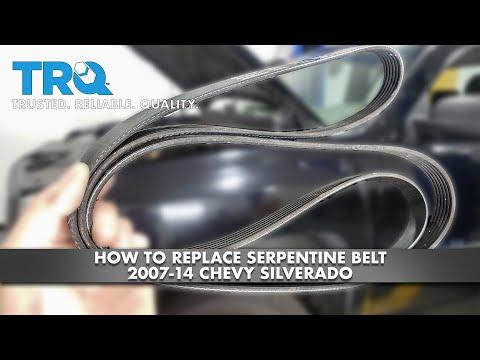
You’ll be replacing the main drive (serpentine) belt on your Silverado, which runs the alternator, power steering, water pump, and other accessories. The belt wears over time and can crack, squeal, or even break, so changing it before failure is important.
Difficulty Level: Beginner | Estimated Time: 1-1.5 hours
⚠️ Safety & Precautions
- ⚠️ Hybrid warning: Do not touch any orange cables or connectors; they are high-voltage hybrid components.
- ⚠️ Work only on a cold engine to avoid burns from hot metal and moving parts.
- ⚠️ Keep fingers, tools, and clothing clear of the belt path; never work with the engine running.
- ⚠️ Disconnect the negative battery cable to prevent accidental cranking while your hands are near the belt.
- ⚠️ Use eye protection when working around the fan, pulleys, and belt.
- ⚠️ This guide covers the main serpentine belt, not the separate stretch-fit A/C belt.
🔧 Required Tools
You'll need the following tools for this repair:
- 🧰 3/8" drive ratchet
- 🧰 1/2" drive ratchet
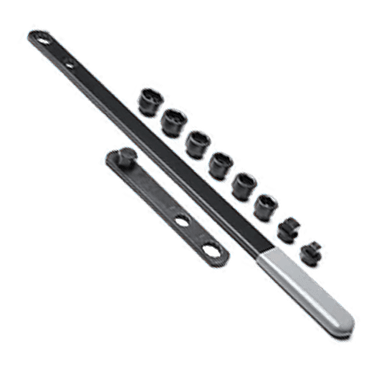
- 🧰 Serpentine belt tool with long handle (specialty)
- 🧰 15mm shallow socket
- 🧰 13mm socket
- 🧰 10mm socket
- 🧰 3/8" drive socket extension (3"-6")
- 🧰 Flat-blade screwdriver (medium)
- 🧰 Trim clip removal tool (specialty)
- 🧰 Work light or flashlight
- 🧰 Mechanic’s gloves
- 🧰 Safety glasses
🔩 Required Parts
HowToo sells all the parts you need for this repair:
- 🔩 Main serpentine belt (6.0L hybrid, accessory drive) - Qty: 1
- 🔩 Serpentine belt tensioner assembly - Qty: 1 (optional but recommended if original)
- 🔩 Idler pulley - Qty: 1 (optional but recommended if noisy or rough)
- 🔩 Dielectric grease (small tube) - Qty: 1 for battery terminal
- 🔩 Battery terminal cleaning brush - Qty: 1 if terminals are corroded
📋 Before You Begin
- Park the Silverado on level ground, shift to PARK, and set the parking brake.
- Turn off all accessories and remove the key from the ignition.
- Open the hood and secure it with the hood prop.
- Locate the belt routing decal on the radiator support or underside of the hood; if it is missing, take a clear photo of the old belt routing before removal. This is your map.
- Disconnect the negative battery cable using a 10mm socket and move it aside so it cannot spring back.
🔨 Step-by-Step Instructions
Follow these steps in order:
Step 1: Gain access to the belt area
- Remove any plastic engine cover by pulling up gently; if bolts are present, use a 10mm socket and ratchet to remove them.
- If needed for room, pop out the front upper radiator cover plastic clips using a trim clip removal tool or a flat-blade screwdriver, then lift the cover off. This gives more light and space.
- Look down at the front of the engine (fan and pulleys); identify the belt and the spring-loaded tensioner (a pulley on an arm with a bolt head in the center).
Step 2: Study and record the belt routing
- Find the factory belt routing sticker. If present, compare it to what you see to be sure they match.
- If no sticker: use your phone to take a clear top-down photo of the belt showing how it weaves around the crankshaft pulley (largest one at the bottom), alternator, power steering pump, water pump, and idler/tensioner.
- Optionally, sketch a simple routing diagram on paper. Future you will thank you.
Step 3: Relieve tension from the belt
- Place a 15mm socket on the center bolt of the belt tensioner pulley.
- Attach either your serpentine belt tool or a 1/2" drive ratchet (or breaker bar) to the socket.
- Rotate the tensioner in the direction that loosens the belt (usually clockwise when viewed from the front on this engine). It will move against spring pressure.
- While holding the tensioner in the released position, slide the belt off one easy-to-reach smooth pulley (often the idler or alternator) with your free hand.
- Slowly let the tensioner return to its resting position under control; do not let it snap back. Snapping can damage the spring.
Step 4: Remove the old belt completely
- Once it is off one pulley, snake the belt off the remaining pulleys by hand.
- Pull the belt up and out of the engine bay, noting how it passed under/over each pulley.
- Lay the old belt on the ground in a straight loop.
Step 5: Compare the old and new belts
- Lay the new belt next to the old one, side by side, on the ground.
- Verify:
- The total length is the same (within about 5–10 mm).
- The number of ribs (grooves) is the same.
- The width of the ribbed section matches.
- If the new belt is clearly shorter, longer, or has a different rib count, do not install it; get the correct belt first.
Step 6: Inspect pulleys and tensioner
- Spin each accessible pulley by hand (alternator, idler, tensioner, power steering). They should spin smoothly and quietly with no grinding or wobble.
- Push on the tensioner arm by hand; it should move smoothly with firm spring resistance, not feel loose or jerky.
- If any pulley feels rough or loose, or if the tensioner is weak, plan to replace that part now using the 13mm socket or 15mm socket as needed. It’s much easier with the belt already off.
- When reinstalling any pulley or tensioner bolts, tighten them firmly with the correct socket. GM does not call out a special torque in this basic belt procedure; snug them securely without overtightening.
Step 7: Route the new belt (except over the last pulley)
- Using your routing diagram or the factory sticker, start threading the new belt around the lower crankshaft pulley first (large pulley at the very bottom).
- Route the belt:
- Around the crankshaft pulley.
- Up and around the power steering pump and/or alternator as shown in the diagram.
- Around the water pump pulley (usually a smooth pulley driven by the back of the belt).
- Around the idler pulley as shown.
- Over or under the tensioner pulley according to the decal.
- Leave one smooth, easily reached pulley (often the alternator or idler) for last; the belt should be off that pulley for now.
- Make sure the ribs of the belt sit perfectly in the grooves of all grooved pulleys you’ve routed so far.
Step 8: Apply tension and seat the belt fully
- Again place the 15mm socket and serpentine belt tool (or 1/2" ratchet) on the tensioner bolt.
- Rotate the tensioner to relieve tension (same direction as before).
- With the tensioner held back, slide the belt over the last smooth pulley you left for last.
- Carefully release the tensioner so it pulls the belt tight.
- Visually inspect every pulley:
- Belt ribs must be fully inside the pulley grooves (no overhang).
- The back side of the belt must run only on smooth pulleys.
- The belt path must match the decal or your diagram exactly.
Step 9: Final checks under the hood
- Gently push on the longest span of belt with one finger; it should feel firm but still have a little give. The tensioner automatically sets correct tension.
- Reinstall any plastic covers or the radiator cover using the 10mm socket and/or by pressing the clips back into place.
- Reconnect the negative battery cable using the 10mm socket, then snug the terminal. Do not overtighten; just firm.
- If you removed any electrical connectors or moved harnesses, make sure everything is clipped back where it belongs.
Step 10: Start the engine and verify operation
- Make sure no tools are left in the engine bay and that your hands are clear.
- Start the engine and let it idle.
- Watch the belt from the side: it should run smoothly with no wobble or wandering off any pulley.
- Listen for any squealing, chirping, or grinding noises. If present, shut off the engine and re-check belt routing and pulleys.
- After 2–3 minutes, shut the engine off and recheck belt seating on each pulley once more.
✅ After Repair
- Let the engine reach normal temperature while watching the belt for proper tracking.
- Turn the steering wheel slowly lock-to-lock while idling to confirm power steering feels normal and quiet.
- Switch on headlights, A/C, and other loads to confirm the alternator is charging without belt noise.
- After your next short drive, recheck the belt visually to ensure it’s still centered on all pulleys.
💰 DIY vs Shop Cost
Shop Cost: $180-$280 (parts + labor)
DIY Cost: $35-$90 (belt only, plus optional tensioner/idler)
You Save: $90-$200 by doing it yourself!
Shop labor rates vary but typically run $100-$150/hour. This repair takes a shop approximately 0.7-1.0 hours.
🎯 Ready to get started?
HowToo makes it easy: same-day/2-day shipping on every part, plus all the tools and specialty tools you need! Check out the parts and tools sections above to add everything to your cart.
Guide for Serpentine Belt replace for these Chevrolet vehicles
| Year Make Model | Sub Model | Engine | Body Style |
|---|---|---|---|
| 2013 Chevrolet Silverado 1500 | - | V8 5.3L | - |
| 2013 Chevrolet Silverado 1500 | - | V8 6.0L | - |
| 2012 Chevrolet Silverado 1500 | - | V8 5.3L | - |
| 2012 Chevrolet Silverado 1500 | - | V8 6.0L | - |
| 2011 Chevrolet Silverado 1500 | - | V8 5.3L | - |
| 2011 Chevrolet Silverado 1500 | - | V8 6.0L | - |
| 2010 Chevrolet Silverado 1500 | - | V8 5.3L | - |
| 2010 Chevrolet Silverado 1500 | - | V8 6.0L | - |
| 2009 Chevrolet Silverado 1500 | - | V8 5.3L | - |
| 2009 Chevrolet Silverado 1500 | - | V8 6.0L | - |
| 2006 Chevrolet Silverado 1500 | - | V8 5.3L | - |
| 2006 Chevrolet Silverado 1500 | - | V8 6.0L | - |
| 2005 Chevrolet Silverado 1500 | - | V8 5.3L | - |
| 2005 Chevrolet Silverado 1500 | - | V8 6.0L | - |
| 2004 Chevrolet Silverado 1500 | - | V8 5.3L | - |
| 2004 Chevrolet Silverado 1500 | - | V8 6.0L | - |