













How to Replace the Serpentine (Accessory Drive) Belts on a 2005-2011 Subaru Outback (Engine: Flat 4 2.5L)
Step-by-step alternator/power steering and A/C belt replacement with tools, routing tips, and torque specs
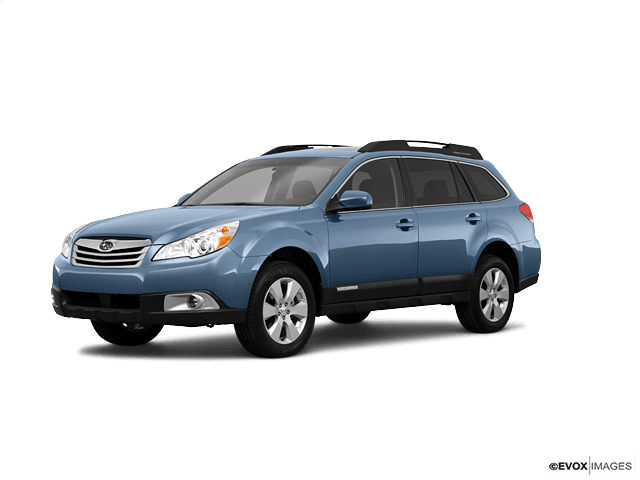
How to Replace the Serpentine (Accessory Drive) Belts on a 2005-2011 Subaru Outback (Engine: Flat 4 2.5L)
Step-by-step alternator/power steering and A/C belt replacement with tools, routing tips, and torque specs for 2005, 2006, 2007, 2008, 2009, 2010, 2011


🔧 Outback - Serpentine Belt Replacement
On your Outback, the “serpentine belt” term is often used loosely—many 2.5L setups use two accessory drive belts: one for alternator/power steering and one for A/C. Replacing them is mainly about loosening the adjusters, swapping the belt(s), then setting correct tension so you don’t get squeal or premature bearing wear.
Difficulty Level: Beginner | Estimated Time: 0.5-1.5 hours
⚠️ Safety & Precautions
- ⚠️ Work on a cool engine; keep hands clear of the radiator fans.
- ⚠️ Remove the key and make sure the engine cannot start while your fingers are near pulleys.
- ⚠️ If you jack the front up for access, support with jack stands on solid ground.
- ⚠️ Avoid over-tightening belts—too tight can damage alternator/power steering bearings.
- ⚠️ Battery disconnect is not required, but it’s safer if you’ll be near the alternator wiring: use a 10mm wrench to remove the negative terminal.
🔧 Required Tools
You'll need the following tools for this repair:
- Safety glasses
- Mechanic gloves
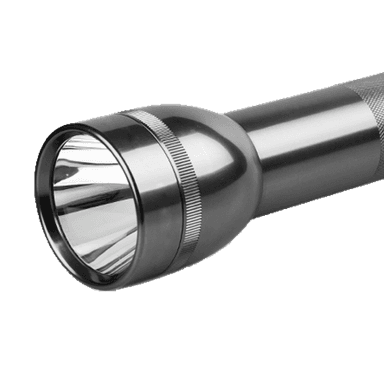
- Flashlight
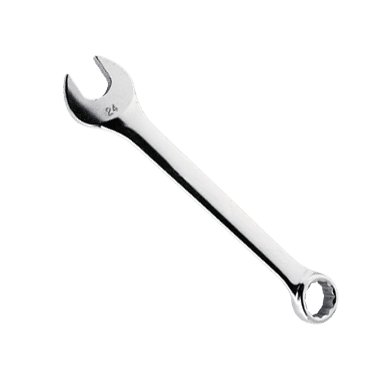
- 10mm wrench
- 10mm socket
- 12mm socket
- 14mm socket
- 3/8" ratchet
- 3/8" breaker bar
- Torque wrench (10-80 ft-lbs)
- Trim clip tool
- Floor jack (rated 3-ton minimum)
- Jack stands (rated 3-ton minimum)
- Wheel chocks
🔩 Required Parts
HowToo sells all the parts you need for this repair:
- Alternator/Power steering drive belt - Qty: 1
- A/C drive belt - Qty: 1
📋 Before You Begin
- Park on level ground, transmission in neutral, and set the parking brake.
- Chock the rear wheels using wheel chocks.
- If you want extra room, raise the front and support with jack stands using a floor jack.
- Take a quick photo of belt routing.
🔨 Step-by-Step Instructions
Follow these steps in order:
Step 1: Get access to the front of the engine
- Open the hood and use a flashlight to locate the belts and pulleys at the front of the engine.
- If your air intake snorkel blocks access, remove its clips using a trim clip tool and any bolts using a 10mm socket.
Step 2: Identify which belt(s) you’re replacing
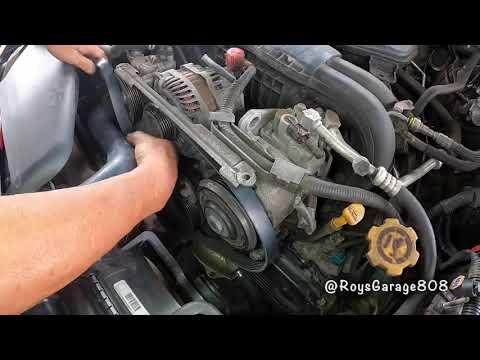
- The alternator/power steering belt runs around the alternator and power steering pump pulleys.
- The A/C belt runs lower around the A/C compressor and an idler pulley.
- If one belt is cracked, replace both.
Step 3: Loosen the alternator (alternator/power steering belt)
- Use a 12mm socket to loosen (do not remove) the alternator lock bolt.
- Use a 12mm socket to loosen (do not remove) the alternator pivot bolt.
- Use a 10mm socket to turn the alternator adjuster screw counterclockwise until the belt is loose.
Step 4: Remove and install the alternator/power steering belt
- Slip the old belt off the pulleys by hand. If it’s stubborn, use a breaker bar to slightly relieve tension by backing off the 10mm socket adjuster more.
- Route the new belt over the pulleys in the same path as the old belt.
- Use the 10mm socket on the adjuster screw to tension the belt until it has about 1/4"-3/8" (6-10mm) of deflection at the longest straight span using firm finger pressure.
- Tighten the alternator bolts using a torque wrench:
- Alternator pivot bolt: Torque to 44 Nm (32 ft-lbs)
- Alternator lock bolt: Torque to 23 Nm (17 ft-lbs)
Step 5: Loosen the A/C belt idler (A/C belt)
- Locate the A/C belt idler pulley (lower front area).
- Use a 12mm socket to loosen the idler lock bolt.
- Use a 10mm socket to turn the idler adjuster screw counterclockwise to relieve belt tension.
Step 6: Remove and install the A/C belt
- Slip the old A/C belt off the pulleys by hand.
- Route the new A/C belt onto the crank and A/C compressor pulleys.
- Use the 10mm socket on the adjuster screw to tension the belt until it has about 1/4"-3/8" (6-10mm) of deflection at the longest straight span using firm finger pressure.
- Tighten the idler bolts using a torque wrench:
- Idler lock bolt: Torque to 39 Nm (29 ft-lbs)
Step 7: Double-check alignment and tension
- Use a flashlight to confirm each belt is fully seated in every pulley groove (not riding on an edge).
- Spin-check by hand: with engine off, rotate a pulley carefully to confirm the belt tracks straight.
Step 8: Reinstall anything you removed
- Reinstall the intake snorkel/clips using a trim clip tool and 10mm socket.
- If you disconnected the battery, reconnect the negative terminal using a 10mm wrench.
- If you lifted the vehicle, lower it safely using a floor jack and remove the jack stands.
✅ After Repair
- Start the engine and listen for belt squeal or slapping.
- Turn on electrical loads (headlights, rear defogger) and confirm no squeal.
- Turn the steering wheel lock-to-lock and confirm the power steering feels normal (no squeal).
- Turn the A/C on and confirm the A/C belt runs smoothly.
- Recheck belt tension after a short 10-15 minute drive; belts can “seat” and loosen slightly.
💰 DIY vs Shop Cost
Shop Cost: $180-$350 (parts + labor)
DIY Cost: $30-$90 (parts only)
You Save: $150-$260 by doing it yourself!
Shop labor rates vary but typically run $100-$150/hour. This repair takes a shop approximately 0.7-1.2 hours.
🎯 Ready to get started?
HowToo makes it easy: same-day/2-day shipping on every part, plus all the tools and specialty tools you need! Check out the parts and tools sections below to add everything to your cart.
Guide for Serpentine Belt replace for these Subaru vehicles
| Year Make Model | Sub Model | Engine | Body Style |
|---|---|---|---|
| 2011 Subaru Outback | - | Flat 4 2.5L | - |
| 2010 Subaru Outback | - | Flat 4 2.5L | - |
| 2009 Subaru Outback | - | Flat 4 2.5L | - |
| 2008 Subaru Outback | - | Flat 4 2.5L | - |
| 2007 Subaru Outback | - | Flat 4 2.5L | - |
| 2006 Subaru Outback | - | Flat 4 2.5L | - |
| 2005 Subaru Outback | - | Flat 4 2.5L | - |