













How to Replace the Rear Window Regulator on a 2007 Toyota Corolla (Left/Right)
Step-by-step rear door panel removal, glass support tips, tools/parts list, and torque specs
How to Replace the Rear Window Regulator on a 2007 Toyota Corolla (Left/Right)
Step-by-step rear door panel removal, glass support tips, tools/parts list, and torque specs


🔧 Corolla - Rear Window Regulator Replacement
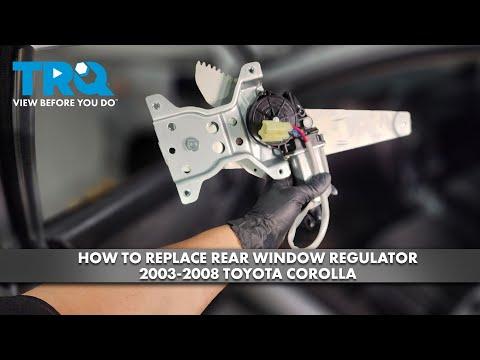
The rear window regulator is the track-and-cable (or scissor) mechanism that moves the door glass up and down. Replacement usually fixes a window that won’t move, moves crooked, makes popping/grinding noises, or drops into the door.
Difficulty Level: Intermediate | Estimated Time: 1.5-3.0 hours (per door)
⚠️ Safety & Precautions
- 🛑 Support the glass at all times—door glass can drop suddenly and shatter.
- 🧤 Wear gloves—inner door metal edges are sharp.
- 🔋 If you have power windows, disconnect the negative battery terminal before unplugging/plugging door wiring.
- 🧠 Keep the moisture barrier (plastic sheet) intact—tears can cause water leaks into the cabin.
🔧 Required Tools
You'll need the following tools for this repair:
- Safety glasses
- Mechanic gloves
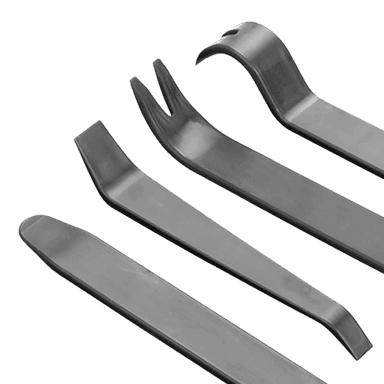
- Trim removal tool (plastic)
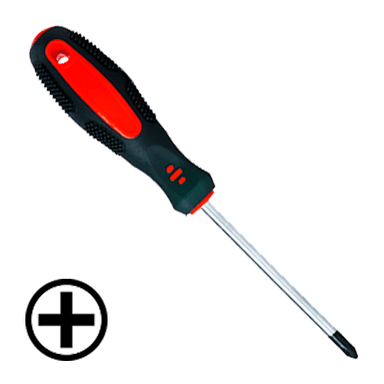
- Phillips screwdriver #2
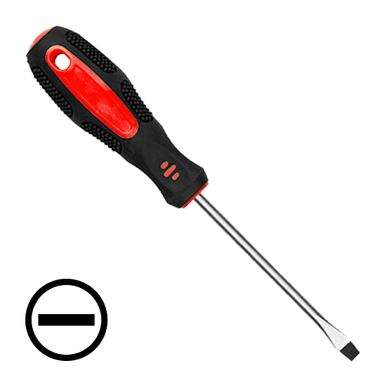
- Flat-blade screwdriver (small)
- 10mm socket
- 1/4" drive ratchet
- 6" socket extension (1/4" drive)
- Torque wrench (inch-pound)
- Needle-nose pliers
- Painter’s tape (1.5"-2" wide)
- Magnetic pickup tool
- Work light
🔩 Required Parts
HowToo sells all the parts you need for this repair:
- Rear window regulator assembly (Left or Right, as needed) - Qty: 1
- Rear window regulator motor (if not included with regulator) - Qty: 1
- Rear door trim panel clips - Qty: 1 set (as needed)
- Butyl tape (for resealing moisture barrier) - Qty: 1
📋 Before You Begin
- 🅿️ Park on level ground and remove the key.
- 🔦 Open the rear door fully and set up a work light.
- 🧰 If you have power windows: reconnect the battery temporarily only to move the window to mid-position, then disconnect the negative battery terminal using a 10mm socket.
- 🧩 A trim removal tool is a plastic pry tool used to pop clips without damaging panels.
🔨 Step-by-Step Instructions
Follow these steps in order:
Step 1: Remove the rear door switch/trim pieces
- Use a trim removal tool (plastic) to gently pry up the rear window switch bezel.
- If equipped with a power window switch, unplug the connector by pressing the tab (use a flat-blade screwdriver (small) only if needed).
Step 2: Remove screws from the rear door panel
- Remove visible screws near the inside door handle and armrest using a Phillips screwdriver #2.
- Use a magnetic pickup tool if a screw drops into the door pocket.
Step 3: Pop the door panel clips and lift the panel off
- Use a trim removal tool (plastic) to pop the clips around the bottom and sides of the door panel.
- Lift the door panel straight up to unhook it from the window ledge.
- If there are any cables (door handle cable) or connectors, disconnect them carefully (use needle-nose pliers only if your fingers can’t reach).
- Tip: Work from the bottom edge first.
Step 4: Peel back the moisture barrier
- Slowly peel the plastic moisture barrier back by hand.
- If the butyl adhesive strings, roll it off with your fingers; don’t tear the plastic.
Step 5: Secure the window glass
- Through the door access holes, locate the two bolts/clamps that attach the glass to the regulator.
- If power window: temporarily reconnect the switch and battery to position the clamps/bolts in the access holes, then disconnect battery again using a 10mm socket.
- Use a 10mm socket with a 1/4" drive ratchet and 6" socket extension to loosen/remove the glass-to-regulator bolts.
- Lift the glass fully up by hand, then tape it to the door frame using painter’s tape (1.5"-2" wide) in 2–3 strips.
Step 6: Unplug the regulator motor (power windows only)
- Unplug the motor electrical connector from inside the door.
- If the connector is stubborn, press the tab while gently prying with a flat-blade screwdriver (small).
Step 7: Remove the regulator (and motor if attached)
- Remove the regulator mounting bolts using a 10mm socket, 1/4" drive ratchet, and 6" socket extension.
- Carefully slide the regulator assembly out through the largest access opening.
Step 8: Swap the motor (only if your new regulator doesn’t include it)
- Remove the motor screws/bolts from the old regulator using a 10mm socket (or Phillips screwdriver #2 if screws are used on your part).
- Install the motor onto the new regulator and tighten fasteners with a torque wrench (inch-pound): Torque to 5.4 Nm (48 in-lb).
Step 9: Install the new regulator
- Position the new regulator into the door and start all mounting bolts by hand.
- Tighten regulator mounting bolts using a 10mm socket and finish with a torque wrench (inch-pound): Torque to 10 Nm (89 in-lb).
- Reconnect the motor electrical connector (power windows only).
Step 10: Attach the glass to the regulator
- Remove some tape while still holding the glass, and lower the glass carefully until it sits into the regulator clamps/holes.
- Install and tighten the glass-to-regulator bolts using a 10mm socket.
- Final tighten with a torque wrench (inch-pound): Torque to 8.0 Nm (71 in-lb).
Step 11: Function test before reassembly
- Reconnect the negative battery terminal using a 10mm socket.
- Operate the rear window switch and watch the glass move up/down.
- If the glass tilts or binds, loosen the regulator mounting bolts slightly with a 10mm socket, align, then re-torque: Torque to 10 Nm (89 in-lb).
- Disconnect the battery again with a 10mm socket before reinstalling the moisture barrier and door panel.
- Tip: Smooth motion means good alignment.
Step 12: Reinstall moisture barrier and door panel
- Press the moisture barrier back into place by hand; use butyl tape if it won’t stick.
- Hang the door panel on the top ledge and press clips in around the edges with your hands.
- Reinstall screws using a Phillips screwdriver #2.
- Reconnect the switch connector and snap the bezel back in using a trim removal tool (plastic).
Step 13: Final power test
- Reconnect the negative battery terminal using a 10mm socket.
- Test the rear window from the rear switch and the driver master switch.
✅ After Repair
- 🧪 Run the window fully down and fully up 3 times to confirm smooth travel.
- 🔍 Listen for clicking/grinding—if present, recheck bolt tightness and alignment.
- 💧 After the next car wash/rain, check the rear carpet area for moisture (a mis-sealed barrier can leak).
💰 DIY vs Shop Cost
Shop Cost: $300-$650 (parts + labor, per door)
DIY Cost: $70-$220 (parts only, per door)
You Save: $230-$430 by doing it yourself!
Shop labor rates vary but typically run $100-$150/hour. This repair takes a shop approximately 1.5-3.0 hours.
🎯 Ready to get started?
HowToo makes it easy: same-day/2-day shipping on every part, plus all the tools and specialty tools you need! Check out the parts and tools sections below to add everything to your cart.