














How to Replace the Rear Turn Signal LED Assembly on a 2020-2023 Toyota Highlander (Trim: XSE | Body: Sport Utility)
Step-by-step DIY guide to remove and install the rear combination lamp with tools, parts list, torque specs, and safety tips
How to Replace the Rear Turn Signal LED Assembly on a 2020-2023 Toyota Highlander (Trim: XSE | Body: Sport Utility)
Step-by-step DIY guide to remove and install the rear combination lamp with tools, parts list, torque specs, and safety tips for 2020, 2021, 2022, 2023


🔧 Highlander - Rear Turn Signal Repair
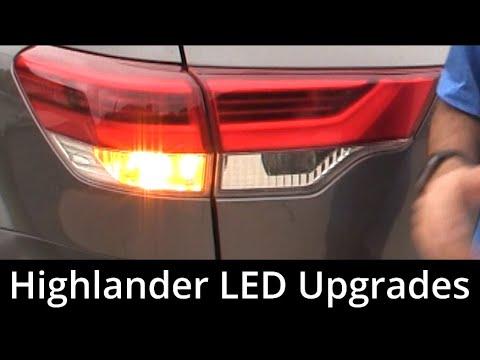
On your Highlander, the rear turn signals are built into the rear combination lamp as LED units, not as separate replaceable bulbs. If a rear turn signal has failed, you replace the entire lamp assembly on that side instead of just a bulb.
Difficulty Level: Beginner | Estimated Time: 0.5–1 hour per side
⚠️ Safety & Precautions
- 🔹Always park on level ground, engage the parking brake, and switch the ignition OFF.
- 🔹Remove the key/fob from the vehicle so no one turns the lights on while you work.
- 🔹Do not touch bare metal contacts of connectors with tools to avoid short circuits.
- 🔹Close the liftgate softly while testing to avoid pinching any loose wiring.
- 🔹Battery disconnection is not strictly required, but you can disconnect the negative terminal for extra safety if you prefer.
🔧 Required Tools
You'll need the following tools for this repair:
- 🔹10mm socket
- 🔹1/4" drive ratchet
- 🔹1/4" drive extension (3–6")
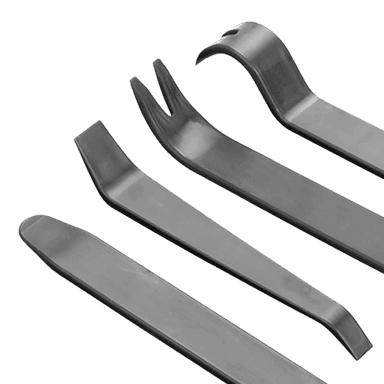
- 🔹Plastic trim removal tool (specialty)
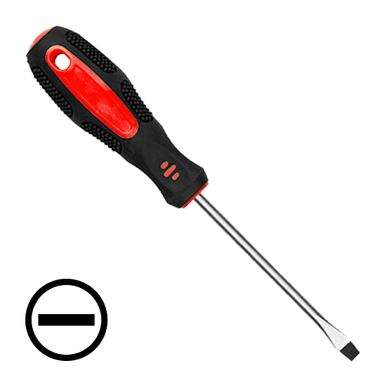
- 🔹Small flathead screwdriver
- 🔹Needle-nose pliers
- 🔹Torque wrench (inch‑pound, 20–100 in‑lb range)
- 🔹Work light or flashlight
- 🔹Mechanic gloves
- 🔹Safety glasses
- 🔹Clean microfiber cloth
🔩 Required Parts
HowToo sells all the parts you need for this repair:
- 🔹Rear combination lamp assembly – left side (LED, includes turn signal) - Qty: 1 (only if left turn signal is out)
- 🔹Rear combination lamp assembly – right side (LED, includes turn signal) - Qty: 1 (only if right turn signal is out)
- 🔹Rear combination lamp mounting nuts (10mm) and clips - Qty: 3–4 per side (recommended as needed)
- 🔹Dielectric grease for electrical connectors - Qty: small tube
- 🔹Masking tape - Qty: 1 roll (to protect paint edges)
📋 Before You Begin
- 🔹Park the Highlander on level ground, shift to P (Park), and set the parking brake.
- 🔹Turn the ignition OFF and turn off all exterior lights.
- 🔹Open the rear liftgate fully and make sure it is secure.
- 🔹If you want maximum safety, disconnect the negative battery terminal using a 10mm socket and remember you'll lose radio clock settings temporarily.
- 🔹Clear out any cargo from the rear area so you can reach the interior trim without obstructions.
🔨 Step-by-Step Instructions
Follow these steps in order:
Step 1: Confirm the failure
- 🔹Ask a helper to stand behind the Highlander.
- 🔹Turn ignition to ON (engine can stay off) and move the turn signal stalk for the side you suspect.
- 🔹Have the helper confirm that the front turn signal flashes but the rear on that side does not, or is very dim.
- 🔹If both rear turn signals are out, it may be a fuse or wiring issue; replacing a lamp may not fix it.
Step 2: Protect the paint around the lamp
- 🔹Use masking tape and run a strip along the body gaps around the outer rear lamp on the side you are replacing.
- 🔹Cover the edge of the bumper and quarter panel next to the lamp to avoid scratches when you pull the lamp out.
- Gentle tape saves your paint edges
Step 3: Remove interior trim to access lamp fasteners
- 🔹Open the liftgate fully.
- 🔹On the side you’re working, fold down the rear seat back if needed to make space.
- 🔹Use the plastic trim removal tool to gently pry off the small side access panel or trim cover at the rear corner inside the cargo area. This panel gives you access to the backside of the outer rear lamp.
- 🔹If the panel has small tabs, you can lift a corner carefully first with a small flathead screwdriver, then continue with the trim tool to avoid breaking tabs.
Step 4: Locate and remove lamp mounting nuts
- 🔹Shine a work light or flashlight into the opening.
- 🔹You should see 2–3 lamp mounting studs with 10mm nuts on them.
- 🔹Use a 10mm socket with a 1/4" drive ratchet and extension to loosen and remove each nut.
- 🔹Carefully hold the nut with your fingers or needle-nose pliers as it comes off so it does not fall into the body cavity.
- 🔹Keep track of how many nuts you removed; you will reuse or replace them on installation.
- Torque later on reassembly to 5.5 Nm (49 in‑lb)
Step 5: Release the lamp from the body
- 🔹Go outside the vehicle to the same lamp.
- 🔹Gently grasp the outer rear lamp at the sides.
- 🔹The lamp is still held by alignment pins and clips that slide straight rearward. Do not pry outward toward you; it must move mostly straight back from the body.
- 🔹With one hand on the inner edge (near the liftgate) and one on the outer edge, gently wiggle the lamp and pull it straight back. Use a plastic trim removal tool at the gap, if needed, to help start movement.
- 🔹Work slowly to avoid cracking the lamp or chipping paint.
- Short, gentle wiggles work better than big pulls
Step 6: Disconnect the electrical connector
- 🔹Once the lamp is free but still close to the body, support it with one hand.
- 🔹Locate the main electrical connector on the back of the lamp.
- 🔹Press the plastic lock tab on the connector using your thumb or a small flathead screwdriver and gently pull the connector straight off the lamp socket block.
- 🔹Do not pull on the wires; pull on the connector body.
- 🔹Set the old lamp aside on a soft surface or a clean microfiber cloth.
Step 7: Prepare the new lamp assembly
- 🔹Compare the new rear combination lamp to the old one to make sure it matches in shape and connector location for your side (left vs right).
- 🔹Check that the alignment pins and rubber seals are present and undamaged.
- 🔹Apply a thin film of dielectric grease to the electrical connector pins on the lamp side. This grease helps prevent moisture and corrosion.
Step 8: Connect the new lamp and test the turn signal
- 🔹Plug the vehicle’s wiring connector into the new lamp until it clicks.
- 🔹Let the lamp hang carefully or support it with one hand; do not bend the wires sharply.
- 🔹Temporarily hold the lamp roughly in its installed position (no nuts yet).
- 🔹Turn ignition ON and activate the turn signal for that side.
- 🔹Confirm the rear turn signal now flashes normally and is bright.
- 🔹Turn ignition OFF and cancel the signal before continuing.
Step 9: Install the new lamp into the body
- 🔹Align the lamp’s guide pins with the holes in the body.
- 🔹Make sure no wires are pinched between the lamp and the body.
- 🔹Push the lamp straight forward into place, pressing evenly until it sits flush with the body and lines up with the bumper and liftgate edges.
- 🔹Check the gaps around the lamp to be sure they are even all the way around.
Step 10: Reinstall and torque the mounting nuts
- 🔹From inside the cargo area, reinstall the 10mm mounting nuts onto the studs by hand.
- 🔹Tighten them evenly using the 10mm socket and 1/4" drive ratchet, just snug for now.
- 🔹Set your torque wrench to 5.5 Nm (49 in‑lb).
- 🔹Use the 10mm socket on the torque wrench to tighten each nut to this specification. Do not overtighten; you can crack the lamp housing.
Step 11: Reinstall interior trim
- 🔹Position the interior access panel or trim piece back in place.
- 🔹Press it firmly until all clips snap in.
- 🔹Use the plastic trim removal tool to gently press around the edges and ensure the panel sits flush.
Step 12: Final testing and clean-up
- 🔹Remove the masking tape from the body and bumper carefully.
- 🔹Wipe any fingerprints off the lamp with the clean microfiber cloth.
- 🔹Turn ignition ON and test:
- Rear turn signal (side you replaced)
- Front turn signal on same side
- Hazard lights (both sides flashing)
- Tail lights and brake lights, to confirm everything looks normal
- 🔹If you disconnected the battery, reconnect the negative cable with the 10mm socket and recheck the lights.
✅ After Repair
- 🔹Check that the turn signal flash rate is normal and not fast (hyper‑flash can indicate a problem on that circuit).
- 🔹Test the lights again at night or in a shaded area to verify brightness and visibility.
- 🔹Drive around your block and use the turn signal several times, watching reflections in nearby vehicles or glass to confirm operation.
- 🔹If any warning appears on the dash related to lights, note the exact message and we can troubleshoot further.
💰 DIY vs Shop Cost
Shop Cost: $280–$450 (parts + labor)
DIY Cost: $160–$260 (parts only, one side)
You Save: $120–$190 by doing it yourself!
Shop labor rates typically run $100–$150/hour. This repair takes a shop about 0.5–0.8 hours.
🎯 Ready to get started?
HowToo makes it easy: same-day/2-day shipping on every part, plus all the tools and specialty tools you need! Check out the parts and tools sections above to add everything to your cart.
Guide for Tail Light Assembly replace for these Toyota vehicles
| Year Make Model | Sub Model | Engine | Body Style |
|---|---|---|---|
| 2023 Toyota Highlander | Hybrid LE | - | Sport Utility |
| 2023 Toyota Highlander | Hybrid Limited | - | Sport Utility |
| 2023 Toyota Highlander | Hybrid Platinum | - | Sport Utility |
| 2023 Toyota Highlander | Hybrid XLE | - | Sport Utility |
| 2023 Toyota Highlander | L | - | Sport Utility |
| 2023 Toyota Highlander | LE | - | Sport Utility |
| 2023 Toyota Highlander | Limited | - | Sport Utility |
| 2023 Toyota Highlander | Platinum | - | Sport Utility |
| 2023 Toyota Highlander | XLE | - | Sport Utility |
| 2023 Toyota Highlander | XSE | - | Sport Utility |
| 2023 Toyota Highlander | Hybrid Bronze Edition | - | Sport Utility |
| 2022 Toyota Highlander | Hybrid LE | - | Sport Utility |
| 2022 Toyota Highlander | Hybrid Limited | - | Sport Utility |
| 2022 Toyota Highlander | Hybrid Platinum | - | Sport Utility |
| 2022 Toyota Highlander | Hybrid XLE | - | Sport Utility |
| 2022 Toyota Highlander | L | - | Sport Utility |
| 2022 Toyota Highlander | LE | - | Sport Utility |
| 2022 Toyota Highlander | Limited | - | Sport Utility |
| 2022 Toyota Highlander | Platinum | - | Sport Utility |
| 2022 Toyota Highlander | XLE | - | Sport Utility |
| 2022 Toyota Highlander | XSE | - | Sport Utility |
| 2022 Toyota Highlander | Hybrid Bronze Edition | - | Sport Utility |
| 2021 Toyota Highlander | Hybrid LE | - | Sport Utility |
| 2021 Toyota Highlander | Hybrid Limited | - | Sport Utility |
| 2021 Toyota Highlander | Hybrid Platinum | - | Sport Utility |
| 2021 Toyota Highlander | Hybrid XLE | - | Sport Utility |
| 2021 Toyota Highlander | L | - | Sport Utility |
| 2021 Toyota Highlander | LE | - | Sport Utility |
| 2021 Toyota Highlander | Limited | - | Sport Utility |
| 2021 Toyota Highlander | Platinum | - | Sport Utility |
| 2021 Toyota Highlander | XLE | - | Sport Utility |
| 2021 Toyota Highlander | XSE | - | Sport Utility |
| 2020 Toyota Highlander | Hybrid LE | - | Sport Utility |
| 2020 Toyota Highlander | Hybrid Limited | - | Sport Utility |
| 2020 Toyota Highlander | Hybrid Platinum | - | Sport Utility |
| 2020 Toyota Highlander | Hybrid XLE | - | Sport Utility |
| 2020 Toyota Highlander | L | - | Sport Utility |
| 2020 Toyota Highlander | LE | - | Sport Utility |
| 2020 Toyota Highlander | Limited | - | Sport Utility |
| 2020 Toyota Highlander | Platinum | - | Sport Utility |
| 2020 Toyota Highlander | XLE | - | Sport Utility |