















How to Replace the Rear Sliding Door Lock Actuator on a 2016 Chrysler Town & Country
Step-by-step latch/actuator swap with tools, parts list, safety tips, and 105 in-lb (12 Nm) torque spec for 2001, 2002, 2003, 2004, 2005, 2008, 2009, 2010, 2011, 2012, 2013, 2014, 2015, 2016
How to Replace the Rear Sliding Door Lock Actuator on a 2016 Chrysler Town & Country
Step-by-step latch/actuator swap with tools, parts list, safety tips, and 105 in-lb (12 Nm) torque spec for 2001, 2002, 2003, 2004, 2005, 2008, 2009, 2010, 2011, 2012, 2013, 2014, 2015, 2016


🔧 Town & Country - Rear Sliding Door Lock Actuator Replacement
The rear sliding door lock actuator is the electric motor/gear unit that locks and unlocks the sliding door. On your Town & Country, it’s typically built into (or attached to) the sliding door latch inside the door, so replacement usually means removing the interior trim panel and swapping the latch/actuator assembly.
Assumption: “Rear door” = one of the power sliding doors (not the liftgate).
Difficulty Level: Intermediate | Estimated Time: 1.5-3.0 hours
⚠️ Safety & Precautions
- ⚠️ Turn OFF power sliding doors before starting to prevent unexpected movement.
- ⚠️ Disconnect the negative battery cable to avoid accidental lock cycling and to protect electronics.
- ⚠️ Keep fingers clear of latch/door edge while testing (pinch hazard).
- ⚠️ Work on a level surface with the door fully open and stable.
🔧 Required Tools
You'll need the following tools for this repair:
- 10mm socket
- 1/4" drive ratchet
- 6" 1/4" drive extension
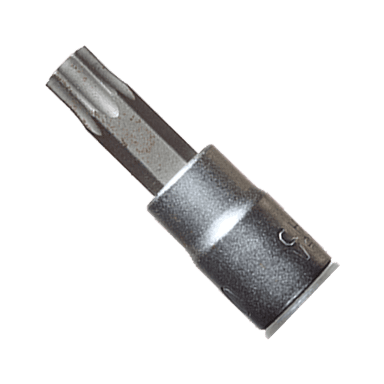
- Torx T30 bit
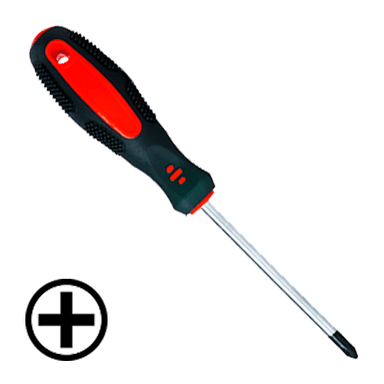
- Phillips #2 screwdriver
- Small flat trim screwdriver
- Trim clip removal tool
- Pick tool
- Needle-nose pliers
- Inch-pound torque wrench (specialty)
- Work light
- Painters tape
- Mechanic gloves
- Safety glasses
🔩 Required Parts
HowToo sells all the parts you need for this repair:
- Rear sliding door lock actuator/latch assembly - Left or Right side as needed - Qty: 1
- Door trim panel clips - Qty: 6-12
- Butyl tape for vapor barrier - Qty: 1
📋 Before You Begin
- 🧰 Park on level ground, shift to Park, and set the parking brake.
- 🧰 Turn OFF the power sliding doors using the overhead console power door button.
- 🧰 Disconnect the battery negative terminal using a 10mm socket, then wait 2 minutes.
- 🧰 Put painters tape along the door edge to protect paint.
🔨 Step-by-Step Instructions
Follow these steps in order:
Step 1: Remove the sliding door interior trim panel
- Use a small flat trim screwdriver to gently pop off any small screw covers (work slowly to avoid marring).
- Remove visible screws using a Phillips #2 screwdriver.
- Use a trim clip removal tool (a forked pry tool that pops plastic clips) to release the trim panel clips around the edges.
- Lift the panel upward to unhook it from the window channel, then set it aside.
- Tip: Pop clips close to each clip point.
Step 2: Disconnect switches and remove the moisture barrier
- Disconnect electrical connectors using a pick tool to lift the lock tab if needed (don’t pull on wires).
- Peel back the vapor barrier (the plastic sheet) carefully by hand.
- If the butyl adhesive is stubborn, use the small flat trim screwdriver to help separate it without tearing the plastic.
- Plan to reseal it later with butyl tape for vapor barrier.
Step 3: Remove the latch/actuator assembly from the door edge
- At the rear edge of the sliding door, remove the latch mounting screws using a Torx T30 bit with a 1/4" drive ratchet and 6" extension.
- Support the latch from inside the door so it doesn’t drop when the last screw comes out.
Step 4: Disconnect the actuator electrical connector and linkage rods
- Unplug the latch/actuator connector inside the door using needle-nose pliers only if needed for grip (do not crush the connector).
- Disconnect the lock/unlock rod(s) and handle rod(s): use a pick tool to flip the small plastic retaining clip open, then lift the rod out.
- Tip: Take a photo before removing rods.
Step 5: Remove the latch/actuator assembly
- Work the latch out through the access opening in the door.
- If a cable is attached (some builds use a cable instead of a rod), release it by opening the cable retainer with a pick tool, then lift the cable end out.
Step 6: Install the new latch/actuator assembly
- Place the new latch/actuator into the door the same way the old one came out.
- Reconnect the linkage rods/cable first (use your photo as a guide), then plug in the electrical connector until it clicks.
- Reinstall the door-edge latch screws using a Torx T30 bit.
- Tighten using an inch-pound torque wrench (specialty): Torque to 105 in-lb (12 Nm).
Step 7: Reinstall the vapor barrier and trim panel
- Reseal the vapor barrier all the way around using butyl tape for vapor barrier (this helps prevent water leaks and wind noise).
- Reconnect any trim-panel electrical connectors.
- Hang the trim panel on the top edge first, then press clips in by hand around the perimeter.
- Reinstall screws using a Phillips #2 screwdriver, then snap screw covers back on using a small flat trim screwdriver.
Step 8: Reconnect the battery and restore power door operation
- Reconnect the negative battery terminal using a 10mm socket.
- Turn the overhead console power sliding door button back ON.
✅ After Repair
- ✅ Test from the key fob: lock/unlock several times and confirm the sliding door locks consistently.
- ✅ Test from inside: use the door lock switch and confirm the knob/indicator moves normally.
- ✅ Open/close the sliding door and confirm it latches securely every time (no bounce-back).
- ✅ Check the vapor barrier seal area for gaps (helps prevent future water intrusion).
💰 DIY vs Shop Cost
Shop Cost: $300-$650 (parts + labor)
DIY Cost: $90-$250 (parts only)
You Save: $210-$400 by doing it yourself!
Shop labor rates vary but typically run $100-$150/hour. This repair takes a shop approximately 1.5-3.0 hours.
🎯 Ready to get started?
HowToo makes it easy: same-day/2-day shipping on every part, plus all the tools and specialty tools you need! Check out the parts and tools sections below to add everything to your cart.