












How to Replace the Rear Door Lock Actuator/Latch on a 2011 Toyota RAV4
Step-by-step rear door panel removal, latch swap, tools/parts list, and 7.5 Nm (66 in-lbs) torque spec for 2006, 2007, 2008, 2009, 2010, 2011, 2012, 2013, 2014, 2015, 2016, 2017, 2018
How to Replace the Rear Door Lock Actuator/Latch on a 2011 Toyota RAV4
Step-by-step rear door panel removal, latch swap, tools/parts list, and 7.5 Nm (66 in-lbs) torque spec for 2006, 2007, 2008, 2009, 2010, 2011, 2012, 2013, 2014, 2015, 2016, 2017, 2018


🔧 RAV4 - Rear Door Lock Actuator Replacement
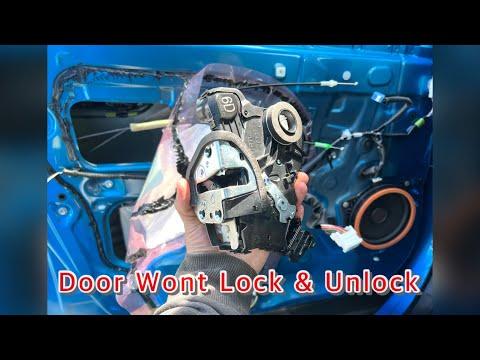
On your RAV4, the rear door lock actuator is typically built into the rear door latch assembly. Replacing it involves removing the interior door panel, disconnecting the latch/linkages and wiring, then swapping the latch/actuator assembly so the power lock works reliably again.
Difficulty Level: Intermediate | Estimated Time: 1.5-3.0 hours
⚠️ Safety & Precautions
- ⚠️ Disconnect the negative battery cable before unplugging door wiring to reduce the risk of short circuits.
- ⚠️ Keep the window fully up while working inside the door.
- ⚠️ Do not tear the vapor barrier (plastic sheet); it prevents water leaks into the cabin.
- ⚠️ Support the door panel during removal so it doesn’t hang by the wiring.
🔧 Required Tools
You'll need the following tools for this repair:
- Safety glasses
- Mechanic gloves
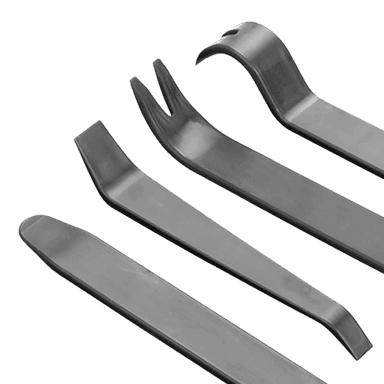
- Trim removal tool set
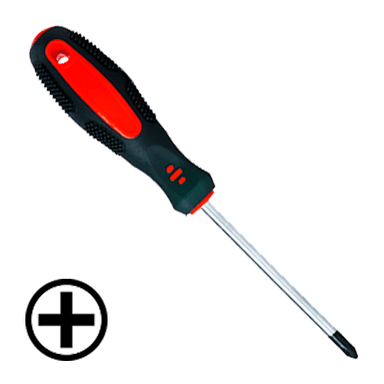
- Phillips screwdriver #2
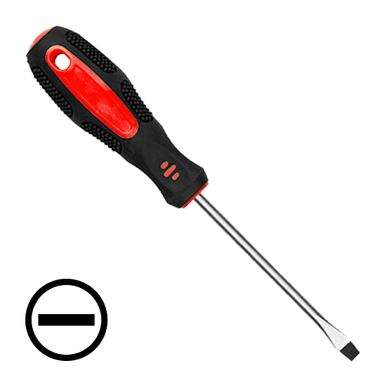
- Flat-blade screwdriver small
- 10mm socket
- 1/4" drive ratchet
- 6" extension for 1/4" ratchet
- Needle-nose pliers
- Pick tool set
- Torque wrench (inch-pound or low-range Nm) (specialty)
- Painter’s tape
🔩 Required Parts
HowToo sells all the parts you need for this repair:
- Rear door lock actuator/latch assembly (select correct side: rear left or rear right) - Qty: 1
- Door panel trim clips (optional, in case any break) - Qty: 6-10
- Butyl tape for vapor barrier (optional, if adhesive is damaged) - Qty: 1
📋 Before You Begin
- Park on level ground and switch the ignition off.
- Lower the rear window about 1 inch, then raise it fully (this helps confirm it’s seated and gives you a reference).
- Use a 10mm socket to disconnect the negative battery cable and isolate it so it can’t spring back. Wait 2 minutes.
- A trim tool is a plastic pry tool. It helps pop clips without damage.
🔨 Step-by-Step Instructions
Follow these steps in order:
Step 1: Protect the door and prep small parts
- Use painter’s tape along the painted edge near the panel to help prevent scratches.
- Set aside a small container for screws and clips.
Step 2: Remove the rear interior door panel
- Use a trim removal tool set to pry up the window switch panel (if equipped) and unplug the connector by releasing the lock tab with a pick tool set.
- Use a Phillips screwdriver #2 to remove screws hidden behind small covers (pry covers gently with a flat-blade screwdriver small).
- Use a trim removal tool set to pop the door panel clips around the perimeter (work bottom to sides).
- Lift the door panel straight up to unhook it from the window ledge.
- Disconnect remaining connectors using the pick tool set if needed (press the tab, then pull).
Step 3: Remove the vapor barrier (plastic water shield)
- Carefully peel the vapor barrier back using a trim removal tool set and your hands.
- If the black adhesive stretches, use a pick tool set to help separate it without tearing the plastic.
- Stick it back in place as you go.
Step 4: Unplug the latch/actuator electrical connector
- Locate the latch/actuator connector near the rear edge of the door.
- Use a pick tool set to gently help release the locking tab, then unplug the connector.
Step 5: Disconnect the inside handle cable/linkage from the latch
- At the latch area, identify the inside handle connection (often a cable with a clipped housing).
- Use needle-nose pliers and/or a trim removal tool set to release the cable housing clip, then lift the cable end out of the latch lever.
- If your door uses rods instead of a cable, use needle-nose pliers to rotate the plastic retainer open, then lift the rod out.
Step 6: Remove the latch/actuator assembly from the door
- On the trailing edge of the door (where it latches to the body), remove the latch mounting fasteners using a 10mm socket with a 1/4" drive ratchet and 6" extension.
- Support the latch with your free hand as the last fastener comes out.
- Work the latch assembly out through the access opening in the door.
Step 7: Transfer any brackets/clips (if equipped) and install the new latch/actuator
- Match the new part to the old one (same connector position and lever layout).
- Transfer any clip/bracket using a Phillips screwdriver #2 or 10mm socket if applicable.
- Place the new latch/actuator into the door and start all fasteners by hand.
- Tighten using a 10mm socket and then final-tighten with a torque wrench: Torque to 7.5 Nm (66 in-lbs).
Step 8: Reconnect the inside handle cable/linkage and electrical connector
- Reconnect the cable end (or rod) to the latch lever, then lock the retainer/clip using needle-nose pliers.
- Plug in the latch/actuator connector until it clicks (help align with a pick tool set if needed).
Step 9: Function-check before reassembly
- Reconnect the negative battery cable using a 10mm socket and snug it securely.
- With the door still open, use the power lock switch to lock/unlock and watch/hear the actuator respond.
- Pull the inside handle to confirm it releases the latch.
- If anything binds, disconnect the battery again using a 10mm socket before adjusting.
Step 10: Reinstall the vapor barrier and door panel
- Press the vapor barrier back onto the adhesive. If it won’t stick, apply butyl tape by hand.
- Reconnect door panel connectors (use a pick tool set to ensure tabs lock).
- Hang the panel on the top lip first, then press clips in around the perimeter using your palm.
- Reinstall screws using a Phillips screwdriver #2 and reinstall any covers with a trim removal tool set.
- Remove the painter’s tape.
✅ After Repair
- Test from the key fob (if equipped), driver switch, and the rear door switch (if equipped).
- Verify the rear door opens from inside and outside and locks consistently.
- Listen for smooth operation (no rapid clicking or weak movement).
- Check the door for water leak risk: confirm the vapor barrier is fully sealed all around.
💰 DIY vs Shop Cost
Shop Cost: $300-$650 (parts + labor)
DIY Cost: $90-$250 (parts only)
You Save: $210-$400 by doing it yourself!
Shop labor rates vary but typically run $100-$150/hour. This repair takes a shop approximately 1.5-3.0 hours.
🎯 Ready to get started?
HowToo makes it easy: same-day/2-day shipping on every part, plus all the tools and specialty tools you need! Check out the parts and tools sections below to add everything to your cart.