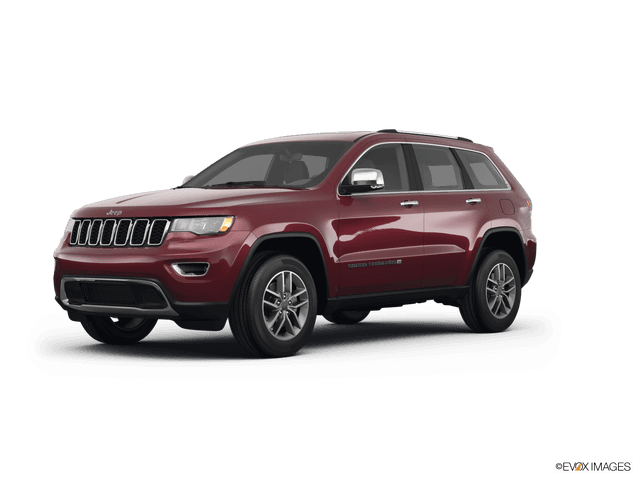









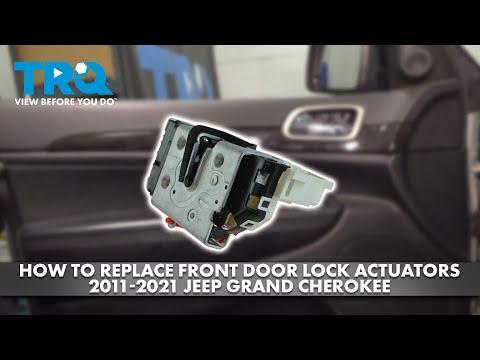





How to Replace the Rear Door Lock Actuator on a 2022 Jeep Grand Cherokee WK
Step-by-step DIY rear door lock actuator replacement with tools, parts list, safety tips, and testing instructions
How to Replace the Rear Door Lock Actuator on a 2022 Jeep Grand Cherokee WK
Step-by-step DIY rear door lock actuator replacement with tools, parts list, safety tips, and testing instructions


🔧 Grand Cherokee WK - Rear Door Lock Actuator Replacement
You’ll be removing the rear interior door panel, taking out the latch/actuator assembly, swapping the actuator, and reinstalling everything. The actuator is the small electric motor that locks and unlocks the door.
Difficulty Level: Intermediate | Estimated Time: 1.5–2.0 hours per door
⚠️ Safety & Precautions
- ⚠️ Disconnect the negative battery cable before starting to avoid accidental airbag or lock operation.
- ⚠️ Rear doors contain side airbags in the door; do not poke or drill into the metal door shell.
- ⚠️ Work with the window fully closed so the glass is out of the way.
- ⚠️ Use plastic trim tools so you don’t crack or scratch the interior panels.
- ⚠️ Keep track of all screws and clips; forcing parts can break them easily.
🔧 Required Tools
You'll need the following tools for this repair:
- 🛠️ 10mm socket
- 🛠️ Ratchet handle (1/4" drive)
- 🛠️ 3" ratchet extension (1/4" drive)
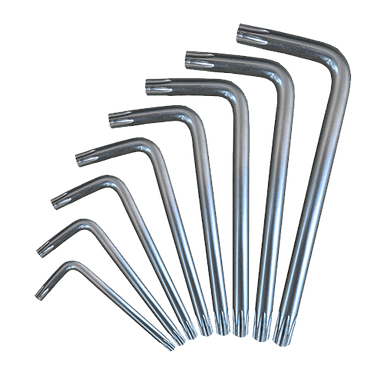
- 🛠️ Torx T20 screwdriver
- 🛠️ Torx T30 screwdriver
- 🛠️ Phillips #2 screwdriver
- 🛠️ Flat blade screwdriver (small)
- 🛠️ Plastic trim removal tool set
- 🛠️ Needle-nose pliers
- 🛠️ Panel clip removal tool
- 🛠️ Pick tool (small hook type)
- 🛠️ Work light or flashlight
- 🛠️ Mechanic gloves
- 🛠️ Safety glasses
- 🛠️ Torque wrench (inch-lb or low-range ft-lb)
🔩 Required Parts
HowToo sells all the parts you need for this repair:
- 🔩 Rear door lock actuator (left or right, as needed) - Qty: 1
- 🔩 Rear door latch-to-door bolts (if one-time use) - Qty: 3
- 🔩 Door panel push clips (replacement set) - Qty: 1 set
- 🔩 Butyl sealant or waterproof tape for vapor barrier - Qty: 1 roll
📋 Before You Begin
- Park the Grand Cherokee on level ground, engage the parking brake, and switch the ignition off.
- Make sure the rear window for the door you’re working on is fully closed.
- Open the rear door fully and ensure you have enough room to work.
- Disconnect the negative battery cable using a 10mm socket and move the cable aside so it cannot spring back.
- Take a photo of the door panel before removal for reference.
🔨 Step-by-Step Instructions
Follow these steps in order:
Step 1: Remove visible screws from the door panel
- Use a Torx T20 screwdriver to remove the screw hidden in the inner door pull/handle pocket (look for a small cap you can pop off with the small flat blade screwdriver).
- Use a Torx T20 screwdriver to remove any screws along the bottom edge of the door trim panel.
- If there is a screw behind the inside door handle bezel (trim around the handle), gently pry the bezel off with a plastic trim removal tool and remove the screw with a Torx T20 screwdriver.
- Keep screws grouped by where they came from.
Step 2: Release the door panel clips
- Starting at the bottom edge of the door, slide a plastic trim removal tool between the panel and the metal door.
- Pry gently outward to pop the first plastic clip loose; you’ll hear a pop.
- Work your way around the sides of the panel, using the panel clip removal tool if needed to pop each clip without breaking it.
- Once the clips are free, lift the panel straight up to unhook it from the window channel at the top.
- Don’t pull the panel too far; wires are still attached.
Step 3: Disconnect electrical connectors and cables from the panel
- Support the door panel with one hand or set the bottom edge on a box.
- Use your small flat blade screwdriver or pick tool to gently lift the locking tabs on the window switch and any other electrical connectors, then pull them off by hand.
- Locate the inner door handle cable on the back of the panel. It will have a small plastic clip and a cable end that hooks into the handle.
- Rotate the plastic clip out of its bracket by hand or with needle-nose pliers, then swing the cable and unhook the cable end.
- Set the door panel aside somewhere clean and safe.
Step 4: Remove the moisture barrier (vapor barrier)
- The clear/foam sheet stuck to the metal door is the vapor barrier; it keeps water out of the cabin.
- Carefully peel back only the rear and latch-side portion using your hands; do not tear it.
- If the butyl adhesive (sticky black glue) is very strong, use a plastic trim tool to help lift it.
- Fold the barrier out of the way so you can access the latch and actuator, but keep dust and dirt off the adhesive side.
- Do not remove the barrier completely unless necessary.
Step 5: Disconnect the lock and handle rods
- Look toward the rear edge of the door to find the latch/actuator assembly; you’ll see metal rods going to it from the inside handle and the outside handle/lock.
- At each rod connection, there is a small plastic clip that locks the rod in place.
- Use the pick tool or small flat blade screwdriver to gently flip the plastic clips open, then lift the rods out of their holes by hand.
- Note the orientation of each rod and clip; take a photo if needed.
Step 6: Unplug the actuator electrical connector
- Locate the wiring connector going to the lock actuator on the latch assembly.
- Press the tab on the connector with your thumb or use the pick tool to lift the locking tab, then pull the connector straight off by hand.
- Move the wiring harness aside so it won’t snag when you remove the latch.
Step 7: Remove the latch/actuator mounting bolts
- At the rear edge of the door (where the door closes against the body), locate the three latch mounting bolts around the latch opening.
- Use a Torx T30 screwdriver (or Torx T30 bit with ratchet) to remove the three bolts.
- Support the latch/actuator assembly with one hand from inside the door as you remove the last bolt so it doesn’t drop.
- Torque on reassembly: tighten latch bolts to manufacturer specification.
Step 8: Remove the latch and actuator from the door
- From inside the door, carefully slide the latch/actuator assembly downward and toward the large opening in the door.
- Twist and maneuver the assembly as needed to clear the window track and rods without forcing it.
- Once free, bring the assembly out through the large opening in the inner door skin.
- Work slowly so you don’t bend any rods.
Step 9: Separate the actuator from the latch assembly
- Place the latch/actuator assembly on a clean bench or table.
- The actuator is the plastic box with the electrical connector; it’s attached to the latch with small screws and/or plastic tabs.
- Use a Torx T20 screwdriver or Phillips #2 screwdriver (depending on your latch) to remove the screws holding the actuator to the latch.
- If plastic tabs are present, use the small flat blade screwdriver to gently lift them while pulling the actuator away.
- Note how the actuator gear engages with the latch mechanism; take a photo for reference.
Step 10: Install the new actuator on the latch
- Position the new actuator in the same orientation as the old one, lining up the gear and any alignment pins.
- Press it into place by hand until it sits flush on the latch.
- Reinstall the actuator screws with the Torx T20 screwdriver or Phillips #2 screwdriver and snug them down.
- Torque on reassembly: tighten actuator screws to manufacturer specification.
- Don’t overtighten; these are small screws.
Step 11: Reinstall the latch/actuator assembly in the door
- Carefully feed the latch/actuator assembly back into the door through the same opening, guiding the rods where they need to go.
- Align the latch with the opening at the rear edge of the door.
- Hand-thread the three latch bolts a few turns to avoid cross-threading.
- Tighten the bolts with a Torx T30 screwdriver or Torx T30 bit and ratchet.
- Torque: tighten latch bolts to manufacturer specification.
Step 12: Reconnect rods and electrical connector
- Reinstall each metal rod into its correct hole on the latch/actuator assembly.
- Snap each plastic clip back over the rod using your fingers or needle-nose pliers until it clicks.
- Plug the wiring connector into the new actuator until it clicks into place.
- Gently pull on the connector to ensure it is fully locked.
Step 13: Test the latch and lock function (before closing the door)
- Temporarily reconnect the negative battery cable with a 10mm socket.
- With the door still open, use a screwdriver to gently rotate the latch (on the door edge) to the closed position while watching from inside.
- Use the power lock switch or key fob to lock and unlock and confirm the actuator moves and the rods stay attached.
- Pull the inside and outside door handles to make sure they release the latch properly.
- Reconnect the battery and unlock the latch by pulling a handle before you close the door.
- Disconnect the negative battery cable again before reassembling the panel.
- Never slam the door until you test with latch simulated.
Step 14: Reinstall the vapor barrier
- Press the original vapor barrier back into place against the door, aligning all edges.
- If the adhesive no longer sticks well, use butyl sealant or waterproof tape along the edges to reseal it.
- Make sure there are no gaps where water could pass into the cabin.
Step 15: Reattach cables and wiring to the door panel
- Bring the door panel close to the door and support it.
- Reconnect the inner door handle cable by hooking the end into the handle, then snapping the plastic clip back into its bracket.
- Reconnect all electrical connectors (window switch, lock switch, etc.) by pushing them in until they click.
- Match connector shapes so you don’t mix them up.
Step 16: Reinstall the door panel
- Hook the top edge of the door panel over the window channel, making sure it sits evenly.
- Once the top is engaged, push the panel straight in so the clips line up with their holes.
- Firmly press around the edges with your hands to snap each clip back into place.
- If any clips are broken, replace them with new ones before installing.
Step 17: Reinstall screws and trim pieces
- Reinstall the screws you removed from the bottom of the panel and the inner handle area using the Torx T20 screwdriver.
- Snap any trim covers or bezels back into place by hand.
- Do not overtighten panel screws; just snug.
Step 18: Final battery connection and functional test
- Reconnect the negative battery cable with a 10mm socket and tighten it securely.
- Close the rear door gently.
- Use the key fob and the interior lock switch to lock and unlock the door several times.
- Check that the interior lock knob moves smoothly and that both the inside and outside handles open the door when unlocked and do not open when locked.
- Repeat the full test with the engine running to be sure everything works under normal conditions.
✅ After Repair
- Check all other doors to confirm central locking works correctly from the key fob and interior switch.
- Listen for any rattles in the repaired door while driving; if you hear one, a clip or screw may need to be tightened.
- Confirm the child safety lock position on the rear door edge is set where you want it.
- Over the next few days, verify that the lock continues to work consistently in hot and cold conditions.
💰 DIY vs Shop Cost
Shop Cost: $250–$450 (parts + labor)
DIY Cost: $70–$150 (parts only)
You Save: $180–$300 by doing it yourself!
Shop labor rates vary but typically run $100–$150/hour. This repair takes a shop approximately 1.0–1.5 hours.
🎯 Ready to get started?
HowToo makes it easy: same-day/2-day shipping on every part, plus all the tools and specialty tools you need! Check out the parts and tools sections above to add everything to your cart.